Advertisement
The gaps in Karen Nyamu’s Endometriosis proposal, from SHA to specialist care
21st August, 2026 05:05 PM
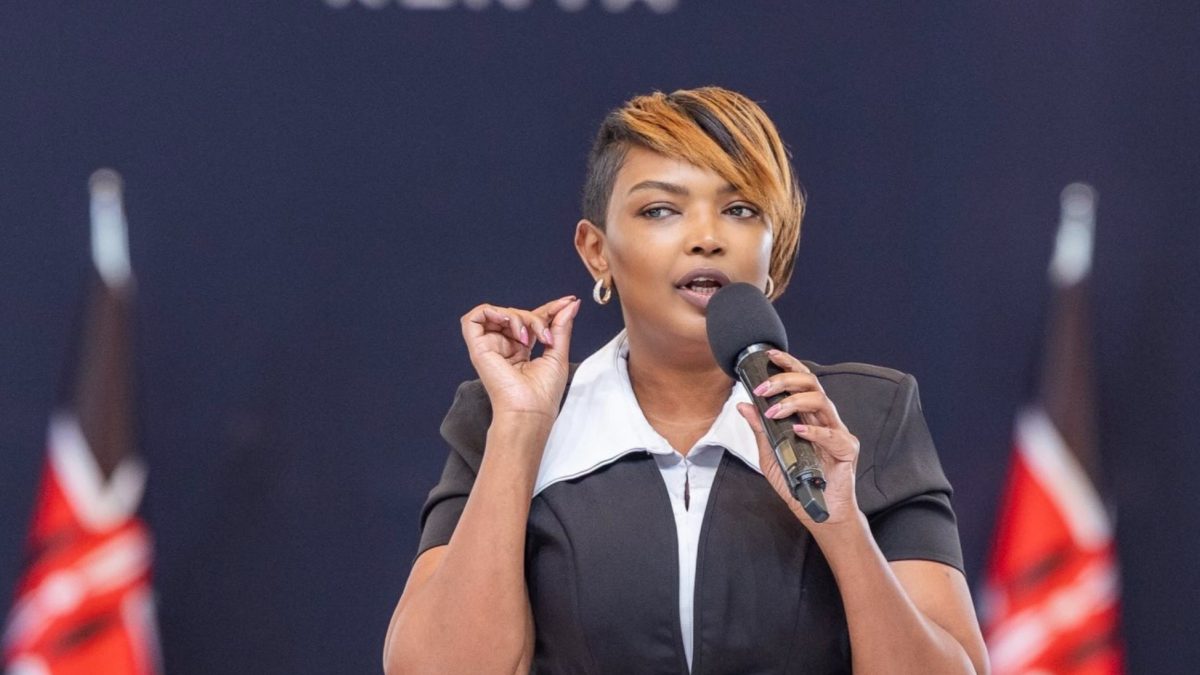
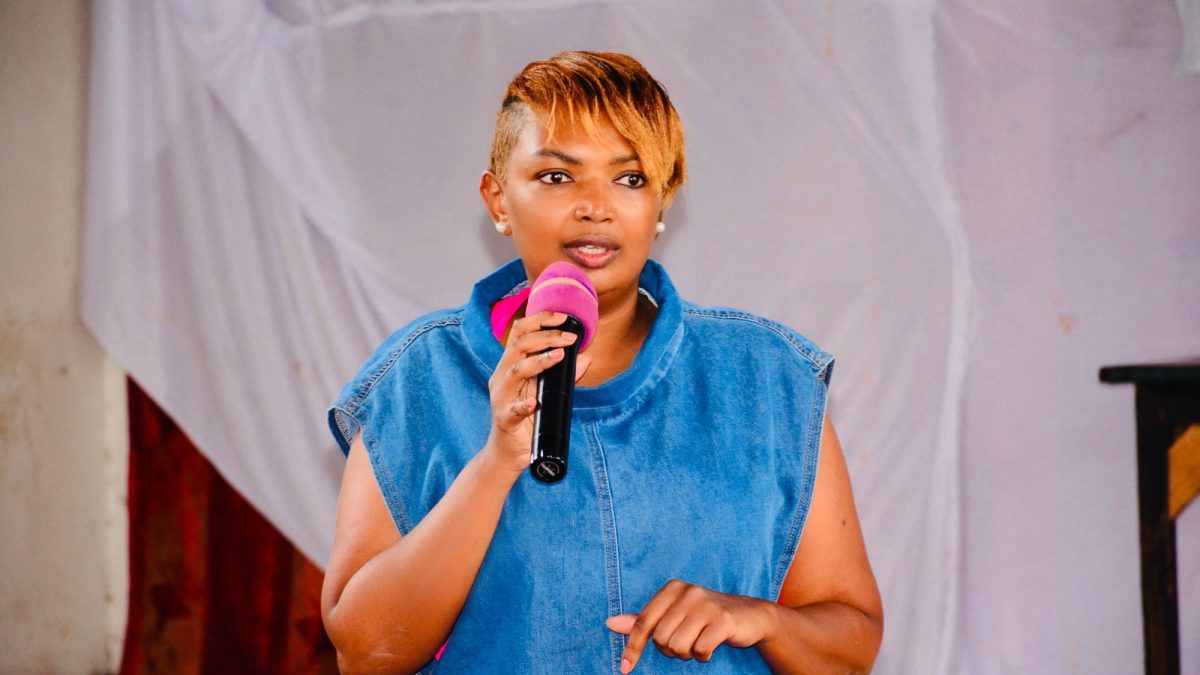
When Senator Karen Nyamu proposed a national framework for endometriosis care, she put her finger on a problem many patients already know painfully well: having medical cover does not necessarily mean having affordable treatment.
SHA cover does not automatically mean affordable Endometriosis care
This is where the discussion should begin, because the cost of endometriosis care is not a small detail sitting somewhere at the bottom of the proposal. It is the elephant in the consultation room.
Kenya’s SHA already has tariffs for endometriosis surgery. The official tariff schedule lists operative laparoscopy for endometriosis surgery at Ksh134,400, while laparotomy for endometriosis surgery is also listed at Ksh134,400. Those figures show that endometriosis is recognised within the benefits structure, but they do not necessarily represent the entire financial journey of a patient.
A patient may need consultations, investigations, imaging, medicines, surgery, hospital care and follow-up. Complex diseases can also require other specialists. That is precisely why Nyamu’s proposal calls for SHA and private insurers to cover diagnosis, treatment, surgery and long-term management based on the full cost of the patient’s journey.
That proposal addresses a real weakness, but it also raises an uncomfortable question: what exactly will SHA pay for, and how much?
The wider SHA system has itself been undergoing reviews because of questions surrounding benefits and tariffs. The Ministry of Health established the Benefits Package and Tariffs Advisory Panel to review benefits and healthcare prices using evidence and affordability considerations. The Ministry has also acknowledged the need to review and expand SHA packages.
There are wider problems too. Parliament heard in April that patients were sometimes being forced to buy medicines out of pocket despite having SHA cover because drugs were unavailable in public facilities. That is not an accusation against Nyamu’s proposal. It is simply the environment in which her proposal must operate.
For endometriosis patients, this distinction is important. A tariff can exist on paper while a patient still spends money outside the covered package. The real cost is often spread across several stages of care, which is why Nyamu’s call for a full costing of the patient’s journey is one of the more important parts of her proposal.
And this is where her plan deserves both credit and scrutiny.
Nyamu is proposing a national endometriosis management framework, national data and surveillance, standardised diagnosis and referral pathways, specialist training, regional specialist centres and monitored waiting-time standards. She is also seeking accountability for previous Ministry of Health commitments, including specialised endometriosis centres, laparoscopic equipment, specialist training, medicines and public awareness.
These are substantial proposals. They recognise that endometriosis is not merely a painful period that can be dismissed with the familiar Kenyan prescription of “take a painkiller and see how tomorrow goes.”
But several details still need to be nailed down.
For example, how many specialists does Kenya need, and how many will be trained? How many regional centres will be established, where will they be located, and how will they be funded? What diagnostic tests will be available at county and lower-level facilities? What will happen to patients who cannot access a specialist?
The shortage is already stark. Nyamu has cited a 2024 Ministry of Health response indicating that Kenya had about 700 gynaecologists but only five trained laparoscopic gynaecological surgeons, with most based at national referral hospitals.
That makes the proposal for specialist training particularly relevant. However, the eventual policy will need more than the instruction to “train more”. It needs numbers, timelines, funding and a clear distribution plan so that specialised care does not remain concentrated in Nairobi and a handful of referral hospitals.
Endometriosis care must go beyond surgery
There is also the question of treatment beyond surgery.
Endometriosis can involve chronic pain and infertility, and care can include medicines and other forms of treatment. A national framework therefore needs to spell out pain management, fertility care, psychological support and follow-up, rather than allowing surgery to become the centre of the entire conversation.
Fertility deserves particular attention because endometriosis is associated with infertility. A patient who is worried about having children needs more than a surgical appointment. She may need fertility assessment, counselling and, depending on her circumstances, access to fertility treatment. If such services are not clearly defined within the financing framework, the phrase “comprehensive care” can remain frustratingly vague.
Pain management is another area that should not be treated as an afterthought. Some women live with persistent pelvic pain even after receiving treatment. A serious national programme therefore needs to consider what happens after surgery, how recurring symptoms are managed and where patients can receive long-term pain support.
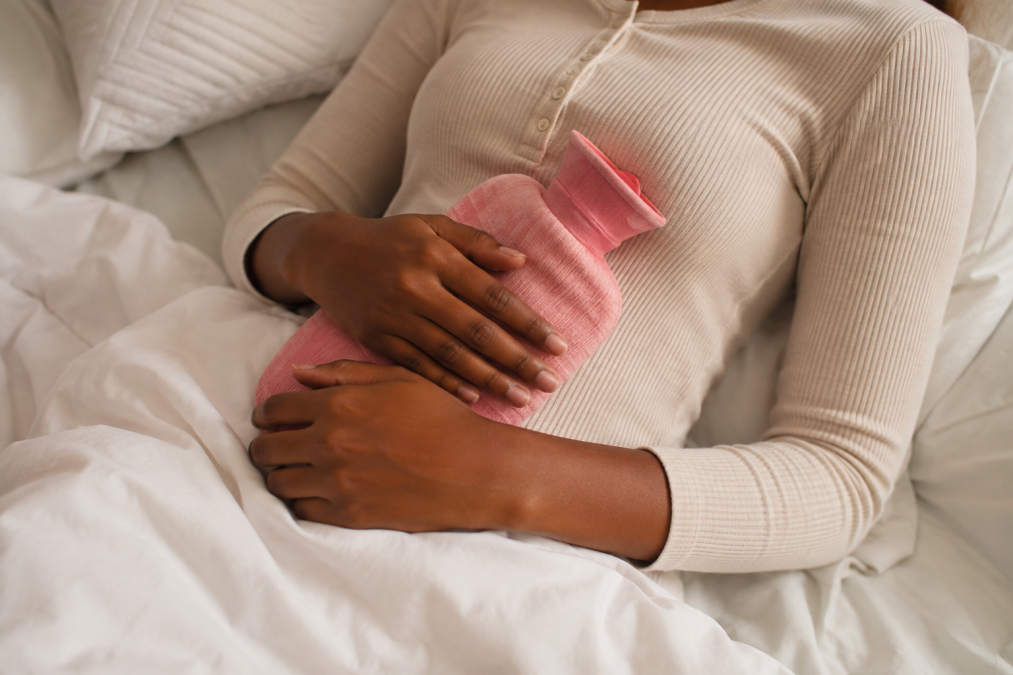
The same applies to mental and emotional wellbeing. Endometriosis can affect relationships, education, employment, sexual health and everyday life. Nyamu’s motion recognises the broader effect of the disease on education, employment and economic wellbeing. But recognising a problem and providing a service to deal with it are two different things. Psychological and social support should therefore have a clear place in the eventual framework.
The proposal also pays attention to adolescents, which is important. Nyamu wants standardised diagnosis and referral pathways across levels of healthcare, including for adolescents. The practical question is how quickly a teenage girl with severe menstrual pain will be recognised, where she will be referred and whether the system will prevent her from spending years being told that painful periods are simply part of being a woman.
Then comes diagnosis itself.
Nyamu’s proposal calls for standardised diagnosis and referral pathways, but those pathways need to be practical. A woman should know where to go after reporting persistent or severe symptoms, what level of facility can investigate her case, when she should see a specialist and what happens when initial tests do not provide a clear answer.
That matters because delayed diagnosis is one of the problems surrounding endometriosis. The condition can also present differently from one patient to another, making a one-size-fits-all approach difficult.
Data and accountability will determine whether the framework works
The proposal’s emphasis on data is equally important. Kenya cannot plan properly without knowing how many patients are being diagnosed, where they are, how long diagnosis takes, what treatment they receive and what outcomes they experience.
Nyamu has raised the absence of reliable national statistics as a problem and wants a national data and surveillance system. That could help the government determine where specialists, equipment, medicines and funding are most needed.
But good data should go beyond counting patients. Kenya should eventually be able to measure diagnosis times, waiting periods, treatments received, surgical outcomes, complications, recurrence, fertility outcomes and regional differences in access to care.
Nyamu has also asked the Ministry to report on previous commitments and provide measurable national targets and annual progress reports. That may be one of the most important parts of the proposal because Kenya has no shortage of health announcements. The harder part has always been making sure they survive contact with budgets, hospitals and reality.
The timing also matters. Nyamu’s motion explicitly asks the government to follow through on commitments made in 2024, including establishing specialised endometriosis centres, training laparoscopic gynaecological surgeons, providing equipment, improving access to medicines through social health insurance and strengthening public awareness.
That creates an important accountability question: what has already been implemented, what has not, and why?
Awareness is another part of the proposal that deserves attention. Nyamu wants stronger public education through Community Health Promoters and the media. Awareness can help women recognise symptoms earlier, but it must be connected to functioning services. Telling people to seek help is of little comfort if the nearest facility lacks the equipment, specialist or medicine required to help them.
Ultimately, Nyamu’s proposal does not lack ambition. Its real test will be whether the ambition is converted into money, measurable targets, functioning hospitals, available medicines and a SHA package that pays for the actual journey of an endometriosis patient.
The proposal is also still at the stage where Nyamu has submitted a draft motion to the Senate for formal drafting and refinement, meaning the details can still change as the parliamentary process continues.
That is why scrutiny is useful now rather than later.
The country needs to ask the uncomfortable questions before the policy is finalised: How much will it cost? Who will pay? Which services will SHA cover? Where will specialists be trained? How many centres are needed? What happens to patients outside major towns? How will adolescents be handled? Where will fertility and pain services fit? How will progress be measured?
For women living with endometriosis, a policy document is useful. A policy that works when they reach the hospital is what matters.