Advertisement
5 bizarre cultural beliefs about blood moon
08th September, 2025 11:18 AM
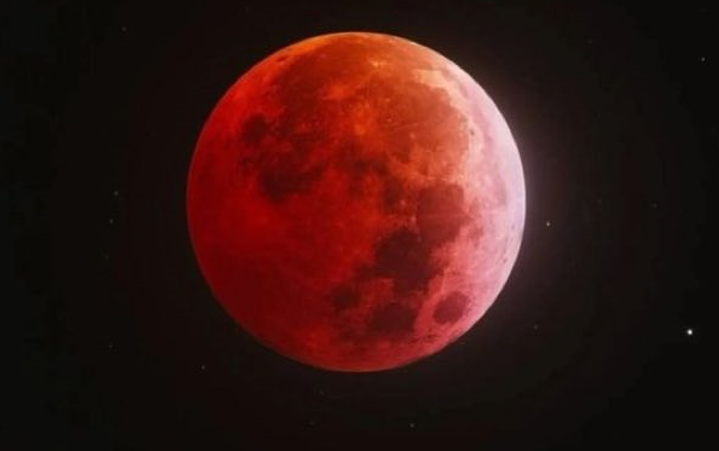
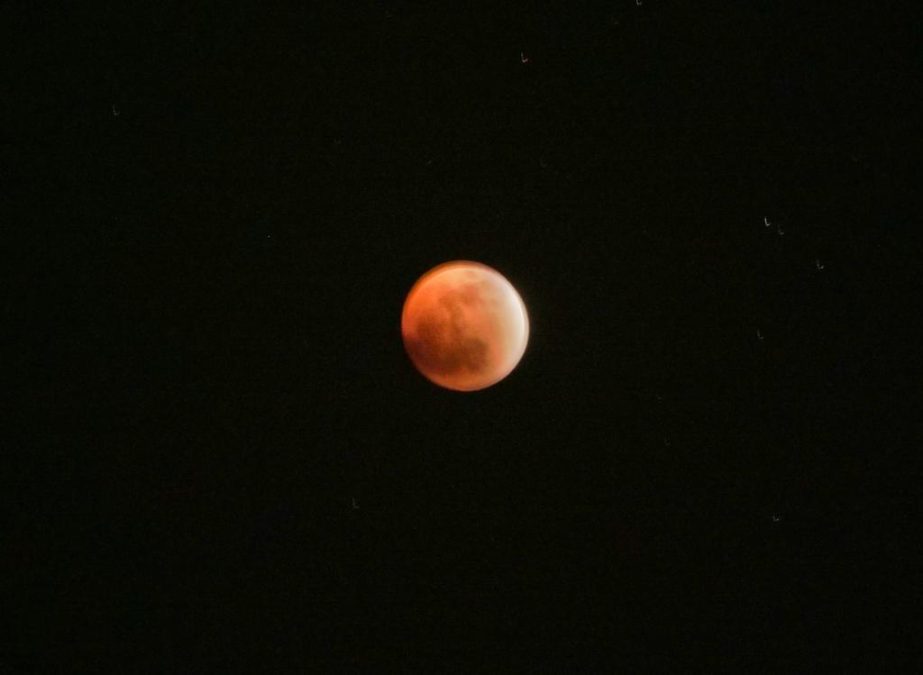
Caption:Myths and meanings of the blood moon across cultures. VIDEO/K24TV Millions of people got the opportunity to see a lunar eclipse, an event popularly known in the media as a blood moon, on Sunday, September 7, 2025.
A blood moon is a rare and stunning lunar event; however, for centuries, it has stirred fear, superstition, and strange rituals.
The Blood Moon, visible in most parts of the world during such an eclipse, is the full moon that moves into the shadow of the Earth cast by the sun and is momentarily darkened.
In various regions of the world, people hold different beliefs about the blood moon.
Samburu’s belief
In Kenya, mostly among the pastoralists, a red moon is believed to signal death, war, or widespread hunger.
However, according to Samburu Governor Jonathan Lati Lelelit, he says the Sunday night’s rare Blood Moon is proof that his people are still very much in touch with the heavens.
Speaking to a local TV station after the spectacular lunar show on Sunday, September 7, 2025, the governor said Samburu has always been a special place for star and sky traditions. For generations, locals have gazed at the stars to predict when the rains are coming and to make sense of life’s mysteries.
“There is a lot of star reading in Samburu, and one of the good stories is that the Samburu people had a rope that was tied to planet Venus, where Samburus would use and go to the sky and ask God for what they want,” he said.
Ancient Inca
On the other hand, according to Daniel Brown, who is a lecturer in astronomy at Nottingham Trent University, he argues that for many ancient civilisations, the “blood moon” came with evil intent.
Also Watch: Wamuchomba hails blood moon as sign of new beginnings
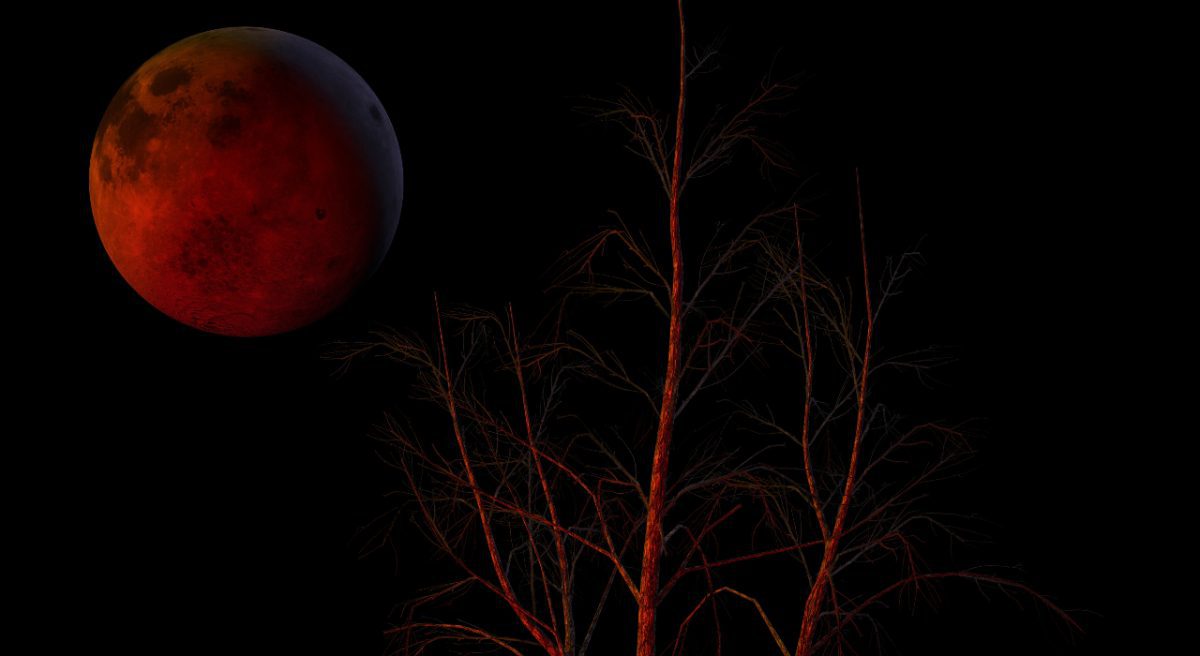
The ancient Inca people interpreted the deep red colouring as a jaguar attacking and eating the moon.
They believed that the jaguar might then turn its attention to Earth, so the people would shout, shake their spears, and make their dogs bark and howl, hoping to make enough noise to drive the jaguar away.
Mesopotamia
On his part, Daniel Brown notes that in ancient Mesopotamia, a lunar eclipse was considered a direct assault on the king.
Given their ability to predict an eclipse with reasonable accuracy, they would put in place a proxy king for its duration.
He further argues that someone considered to be expendable (it was not a popular job) would pose as the monarch, while the real king would go into hiding and wait for the eclipse to pass. The proxy king would then conveniently disappear, and the old king would be reinstated.
Hindu belief
Some Hindu folktales interpret lunar eclipses as the result of the demon Rahu drinking the elixir of immortality.
Twin deities, the sun and moon, promptly decapitate Rahu, but having consumed the elixir, Rahu’s head remains immortal.
Seeking revenge, Rahu’s head chases the sun and moon to devour them. If he catches them, we have an eclipse—Rahu swallows the moon, which reappears out of his severed neck.
For many people in India, a lunar eclipse bears ill fortune. Food and water are covered, and cleansing rituals are performed. Pregnant women especially should not eat or carry out household work to protect their unborn child.
Native America
In his report and contribution, Daniel also notes that not all eclipse myths are beset by such malevolence.
While stating that the Native American Hupa and Luiseño tribes from California believed that the moon was wounded or ill.
After the eclipse, the moon would then need healing, either by the moon’s wives or by tribesmen. The Luiseño, for example, would sing and chant healing songs towards the darkened moon.
Altogether more uplifting is the legend of the Batammaliba people in Togo and Benin in Africa. Traditionally, they view a lunar eclipse as a conflict between the sun and moon—a conflict that the people must encourage them to resolve. It is therefore a time for old feuds to be laid to rest, a practice that has remained until this day.