Advertisement
Their religion doesn’t even match ours – Pastor T slams Singapore model for Kenya’s Vision 2060
12th August, 2026 11:05 PM
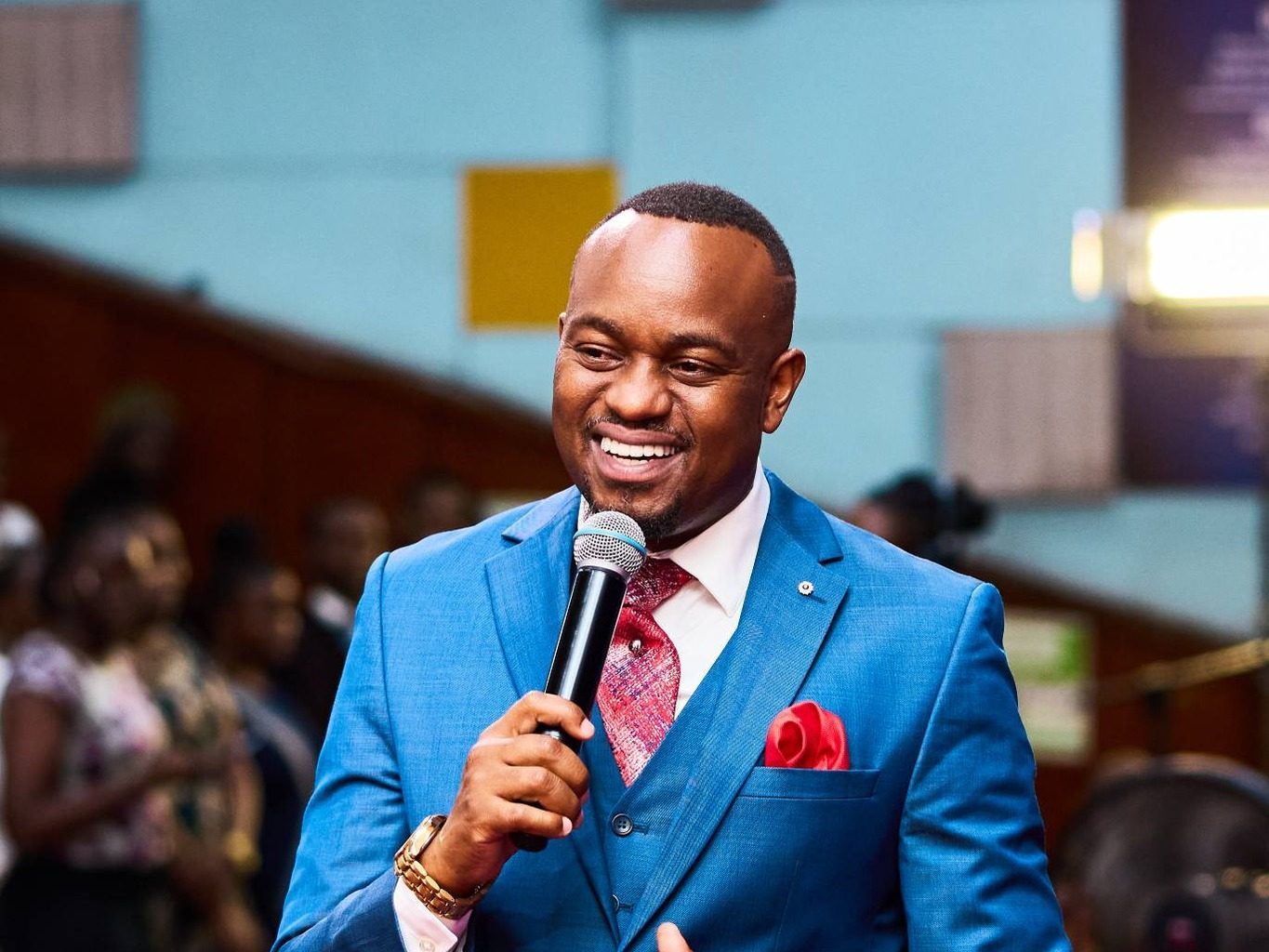
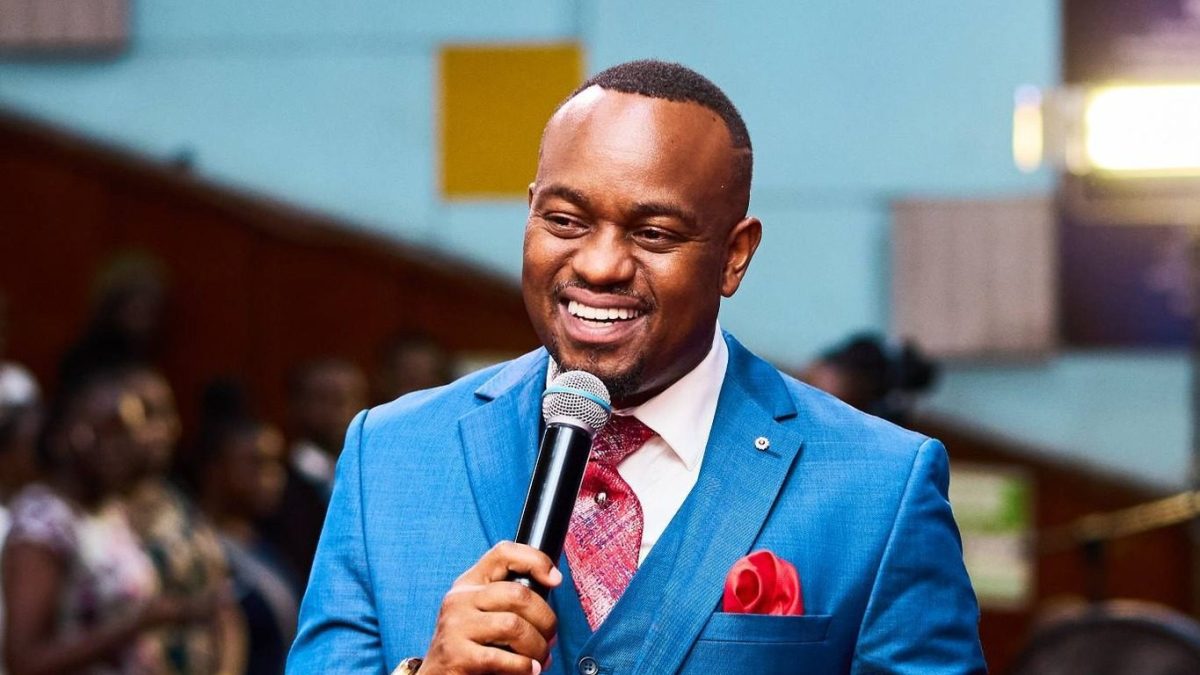
Prominent evangelical preacher Pastor T Mwangi has sharply criticised the government’s proposal to model Kenya’s long-term economic development strategy after Singapore, arguing that the Southeast Asian city-state is a culturally and religiously incompatible benchmark for the East African nation.
Speaking during a live televised broadcast on Wednesday night, August 12, 2026, the popular cleric pushed back against President William Ruto’s newly launched Vision 2060 blueprint, which aims to transition Kenya into a first-world economy over the next three decades by drawing inspiration from Singapore’s rapid industrial transformation.
Pastor T cautioned that imitating foreign paradigms risks limiting national potential while ignoring deep ideological and cultural divergences, including the vast religious differences between Singapore, where Buddhism is the most widely practiced faith, and Kenya, a predominantly Christian country.
“I have a problem when a sovereign nation can actually copy another nation. Personally, as an individual, I was told imitation is limitation,” Pastor T said during the broadcast.
“Singapore is a good benchmark, but I feel that we could be limiting our potential by actually looking at people whose ideology, values, philosophy, and even religious configuration don’t even match ours.”
The cleric questioned the underlying logic of adopting Singapore’s trajectory as a blueprint, suggesting that benchmarking should account for rapid structural expansion under unique, nation-driven visions rather than direct cultural copy-pasting.
“I feel like we have a very unique destiny as a nation,” Pastor T argued.
“If it was to benchmark, I would go to Dubai because in 20 years, Dubai went from a desert to a first-world nation, and you know the Sheikh there brought the concept of the vision—how he saw water and the systems and structures.”
He further challenged policymakers to explain how adopting a fixed foreign model would preserve Kenya’s global identity as other nations continue to evolve.
“My question is, when we become Singapore, what would be Singapore when we become Singapore? Singapore would be on another level,” he said.
“I believe we must come and ask ourselves: What is so unique about Kenya? What truly defines us?”
Pastor T’s remarks add to growing scepticism among civil society and religious leaders regarding the administration’s long-range policy mandate.
Earlier on Wednesday, Anglican Church of Kenya Archbishop Jackson Ole Sapit also criticised the timing of Vision 2060, likening it to a pre-election distraction as the country approaches its next general election cycle.
The government’s draft strategy, unveiled at the Kenyatta International Convention Centre (KICC) by President Ruto and National Treasury Cabinet Secretary John Mbadi, outlines ambitious targets focusing on emerging technologies, artificial intelligence, and green energy transition.
However, as public participation forums prepare to gather feedback across all 47 counties, opposition from influential faith leaders signals that the administration faces a complex task in aligning its foreign-inspired economic framework with local cultural and religious sensitivities.
Author
Martin Oduor
The alchemist of literary works - a master wordsmith with a proven record of transforming the raw materials of language into a rich tapestry of emotion, thought, and imagination.
View all posts by Martin Oduor