Advertisement
Ruto drives himself on busy Nairobi-Nakuru Highway, casually waves at other road users
28th November, 2025 09:56 PM
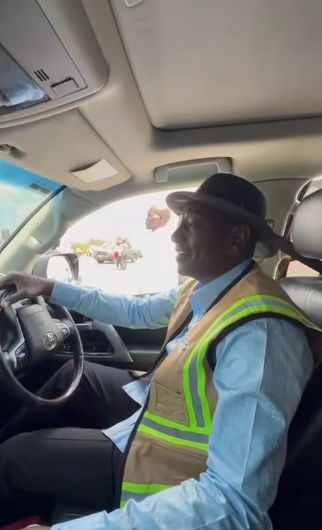
President William Ruto has driven himself along a Nairobi-Nakuru highway, casually waving at excited road users who slowed down to acknowledge him.
The rare moment unfolded as the head of state made his way to launch the long-awaited dualling of the Rironi–Nakuru–Mau Summit Road on Friday, November 28, 2025.
Also watch: Government approves PPP for Nairobi–Nakuru–Mau Summit road
President Ruto assured Kenyans that the project will open up massive economic opportunities across the region.
“Salama salama. Hapa kutakuwa na biashara kubwa sana. Vijana zaidi ya elfu kumi na tano watafanya kazi katika hii mpango. Wafanyabiashara wa kokoto, mchanga, changarawe, simiti, chuma, wafanya biashara wa mambo tofauti tofauti, watakuwa katika hii mpango na Kenya itabadilika,” Ruto was recorded saying while maneuvering on the busy highway.
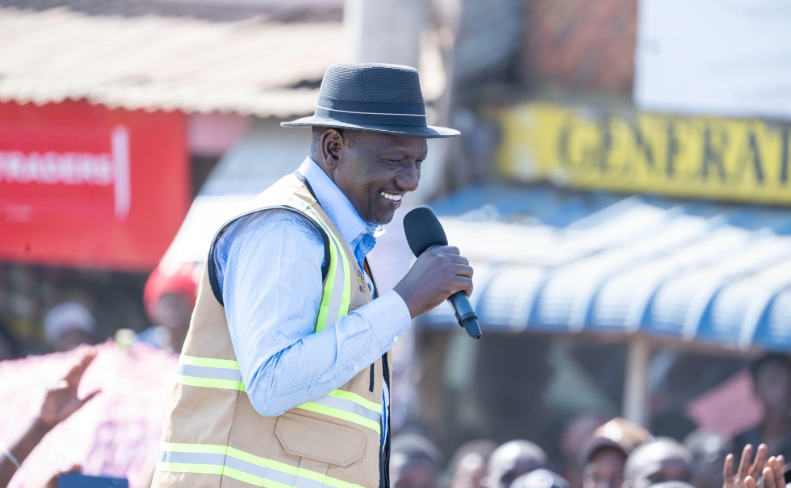
According to the President, more than 15,000 young people will secure employment through the multibillion-shilling project, while suppliers dealing in construction materials such as ballast, sand, gravel, cement, and steel are set to benefit from increased demand.
The ambitious project – to be delivered under a public-private partnership by a consortium including China Road and Bridge Corporation (CRBC) and the National Social Security Fund (NSSF) – is expected to transform a heavily used transport artery that for decades has suffered from chronic congestion, frequent accidents, and delays, especially during weekends and holidays.
Also watch: SGR Western expansion to begin January 2026, Ruto confirms
Road features
The road project will now feature a four-lane dual carriageway from Rironi to Naivasha and a six-lane dual carriageway between Naivasha and Nakuru—a significant upgrade from the initial two-lane plans, which the president rejected as inadequate for future traffic demands.
It will also include simultaneous expansion of the adjacent 58 km stretch between Rironi–Maai Mahiu–Naivasha under the same dualling initiative.
The upgrade is part of a broader infrastructure push by the government, aimed at easing transport bottlenecks and boosting regional connectivity across Kenya’s key corridors.
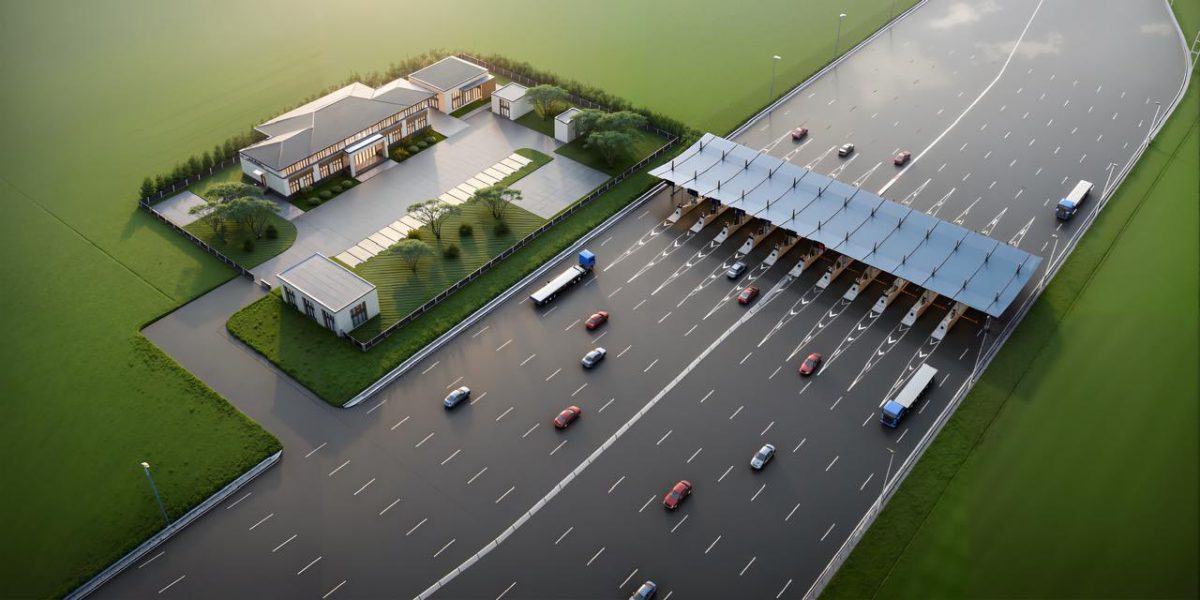
The dual carriageway is expected to lower freight and transport costs, thereby opening up new markets for agricultural producers and traders in the Rift Valley and Western Kenya.
For farmers cultivating produce for export or regional markets, improved road infrastructure could translate to higher incomes and better access to downstream value chains.
The improved road will further facilitate smoother movement of goods and people between Nairobi, Nakuru, and the counties in the Rift Valley. This development could stimulate growth in trade, commerce, and investment along the corridor.
It is also expected to reduce road accidents that have long plagued the old single carriageway—a major relief for commuters and transporters alike.
The dualling of Rironi–Nakuru–Mau Summit Road is scheduled for completion by June 2027, according to government timetables.