Advertisement
Rainmaker buried alive amid drought fury in Sudan
03rd October, 2025 07:49 PM
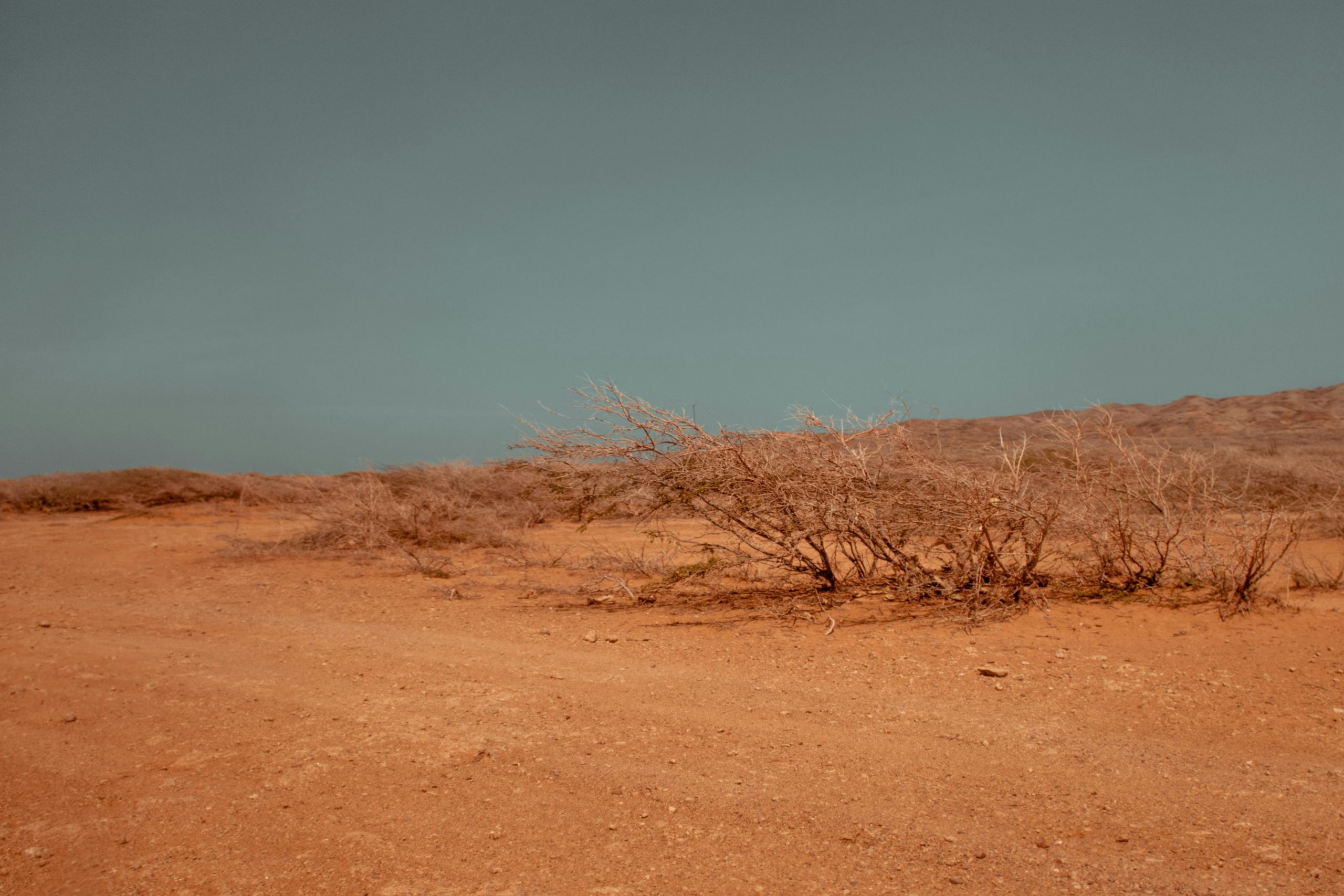
As a rainmaker, his job was to summon rain, the lifeblood of his small farming community, through prayer and ritual.
But after consecutive years of drought, Oture’s relationship with his native village of Lohobohobo, a remote cluster of huts on the western side of South Sudan’s Lopit mountains, began to fray. Frustrated community leaders came demanding an explanation for his failures.
As anger rose, Oture, in his early 50s, feared for his safety. He fled, taking refuge at the home of his brother’s widow in another village, a four-hour walk away.
But his escape was short-lived.
Weeks later, in early October 2024, a group of young men from Lohobohobo arrived and made it clear Oture had no choice but to return with them.
The following morning, Oture was brought to face the community in the village square, a dirt clearing encircled by a rough-hewn wooden fence. When elders arrived to question him, the ruling generation of fighting-aged men, known as the Monyomiji, intervened. They announced that a decision had already been made.
According to one witness, Oture did not resist and moved calmly as he was led away from the square, out of the village, and down the mountain to a freshly dug hole in the earth.
When he reached its edge, Oture climbed down into the pit and was buried alive.
Rainmakers targeted
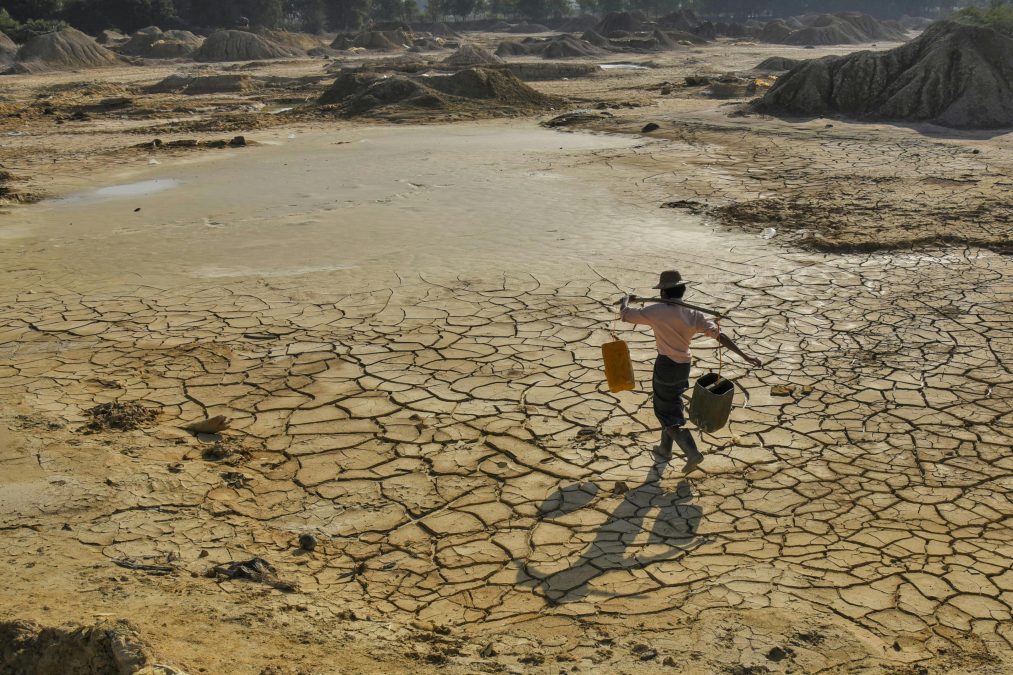
In South Sudan, where the climate crisis is ravaging livelihoods, massive floods and scorching droughts have uprooted families and fuelled one of the world’s hunger worst hunger crises.
Amid the mounting desperation, people want answers and, occasionally, someone to blame. In some farming villages, long dependent on seasonal rains, these tensions have put rainmakers at risk.
Oture’s killing was first reported by local media and later confirmed to Al Jazeera by family members, government officials in the state capital, Torit, and residents of the village where he lived.
He is not the only rainmaker to have met a violent death.
At least five others have been buried alive in the Lopit mountains over the past four decades, according to community leaders and local media reports, including one man in a neighbouring village whose 2021 killing was confirmed to Al Jazeera by a family member. More are said to have been buried in nearby areas, as well as burned alive, beaten to death, or chased into exile. The true toll is not known.
When killings occur, community members are reluctant to speak out.
The reporting for this story set out to uncover what happened to Oture and why. In Lohobohobo, nearly a year after Oture’s death, his killing is a taboo subject, and details of what happened are difficult to obtain.
Residents of the village where he lived most of his life and was ultimately killed were often afraid to discuss the events surrounding his death. Community members became visibly uncomfortable when Al Jazeera asked about rainmakers, and among those who were willing to speak, fear was palpable.
Those interviewed in Lohobohobo, Torit, and Juba, the nation’s capital, did not identify the alleged perpetrators by name but said they were members of the Monyomiji, who are responsible for enforcing customary laws and protecting the village.
According to Matthew Oromo, a former government official who investigated the incident, as well as several others with knowledge of Oture’s death, the Monyomiji had warned villagers not to speak publicly about the death. Those who defied this order risked being cast as traitors and exiled, he said.
The account of what happened to Oture stems from interviews with people who witnessed the events leading up to his killing, or who interviewed witnesses to the killing itself. Residents of Lohobohobo interviewed for this story have not been named to protect their identities.
Regional experts cautioned against broaching the subject of Oture’s killing with the perpetrators, as it could provoke backlash against individuals suspected of speaking publicly about the incident.
Perilous work
Lohobohobo is a small village of several hundred households located in South Sudan’s Eastern Equatoria state, which borders Uganda to the south and Kenya to the southeast. Nestled within the Lopit mountains, the village is a verdant maze of stone-lined paths winding between thatch-roofed huts and small gardens. Despite the little they have, residents receive visitors with warmth, generously sharing their meals of locally harvested sorghum, meat, and wild greens.
In a region dependent on rain-fed agriculture, rainmakers have long been revered figures.
“Drought is the greatest scourge that can afflict the mountainous region of Southeastern [South] Sudan,” writes American social theorist Mark Anspach in the foreword of the 1992 book Kings of Disaster, a study of South Sudan’s rainmakers by the Dutch anthropologist Simon Simonse. “Since the rainmaker is thought to possess the power to cause or prevent drought, he is the most important king.”
The rainmaker performs rituals at the start of the agricultural season and is compensated with livestock, crops, and labour. They are often addressed by the honorific “Sultan”.
Rainmakers are believed to pass down their powers by lineage, with a single rainmaker from a family serving at any one time. The jurisdiction under a rainmaker’s responsibility is referred to by local leaders as a “raindom” and typically spans several villages. Multiple rainmakers can share a raindom.