Advertisement
Mashujaa Day: Ruto reveals plan to construct 50 mega dams to tackle food crisis
20th October, 2025 01:11 PM
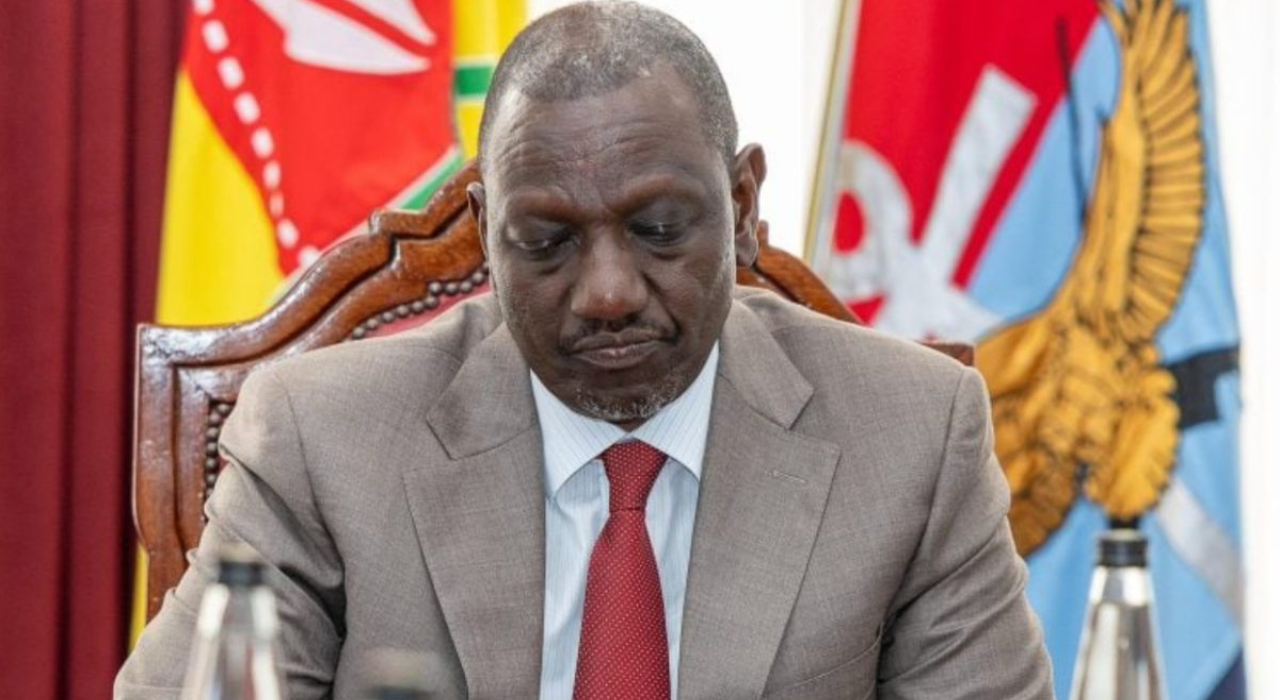
At least 50 mega dams will be constructed over the next decade to supply enough water for the farms, President William Ruto has revealed.
Speaking on Monday, October 20, 2025 during the Mashujaa Day celebration in Kitui County, Ruto said the move is aimed at addressing growing food insecurity by shifting away from rain-drain dependent farming which he described as unsustainable for the population.
Also Watch: Inside Ruto’s Mashujaa Day plan to woo Kalonzo’s Ukambani turf ahead of 2027 polls
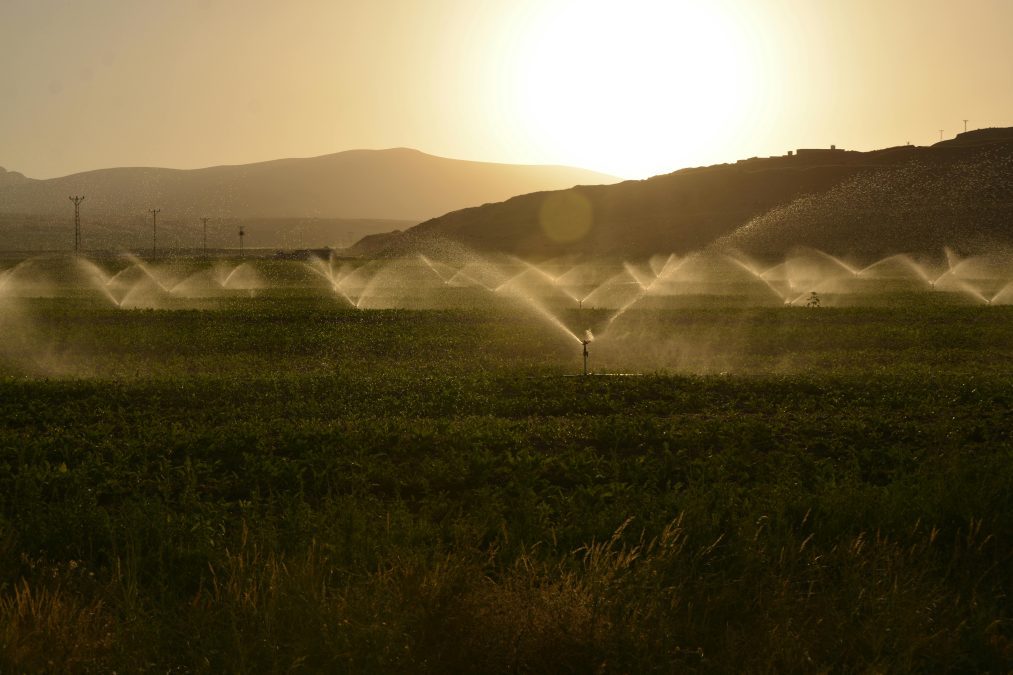
“Rain-fed farming can no longer sustain our growing population or our aspirations. That is why we have now set an ambitious target to build at least 50 mega dams across Kenya and to bring at least 2 million acres under irrigation,” he said.
The Head of State emphasised the urgency of transforming Kenya into a food-secure nation, highlighting the country’s ballooning food import bill, which currently exceeds Ksh500 billion annually.
“We cannot speak of prosperity while spending over 500 billion shillings every year importing food into Kenya, including maize, wheat, rice, sugar, edible oil, among many. This is not just an economic burden to us. It is a threat to our sovereignty,” Ruto said.
The president framed food security as a matter of national independence, warning that a country unable to feed its people cannot claim to be fully sovereign.
“Let me emphasize that this is not a perfect dream. It is a necessity that must be realized within the next decade. We must become not only self-sufficient but also a major exporter of produce in the coming years,” he stated.
Also watch: Ruto promises more stadiums in Machakos and Makueni counties
Addressing hunger crisis
With several international markets already opened through bilateral and multilateral trade agreements, Ruto said Kenya stands in a strong position to capitalize on agricultural exports.
“We have the American market. We have the Chinese market that is now open. We have the European market negotiated under the Economic Partnership Agreement. We also have the Africa Continental Free Trade Area market of 1.4 billion people,” he explained.
This come amid reports that Kenya’s food crisis has deepened sharply, with 2.8 million people facing high levels of acute food insecurity between April and June 2025.
The dam project will be part of a broader agricultural reform agenda that includes value addition, mechanization, and digital tools to boost productivity and incomes in the sector.
This accounts for 17 per cent of the analysed population in arid and semi-arid lands.
Of these, 292,000 people were in IPC Phase 4 (Emergency), a life-threatening stage that demands immediate large-scale aid.
The numbers mark a steep rise from 2024, when 1.9 million people were affected—an increase of 900,000 in just one year.
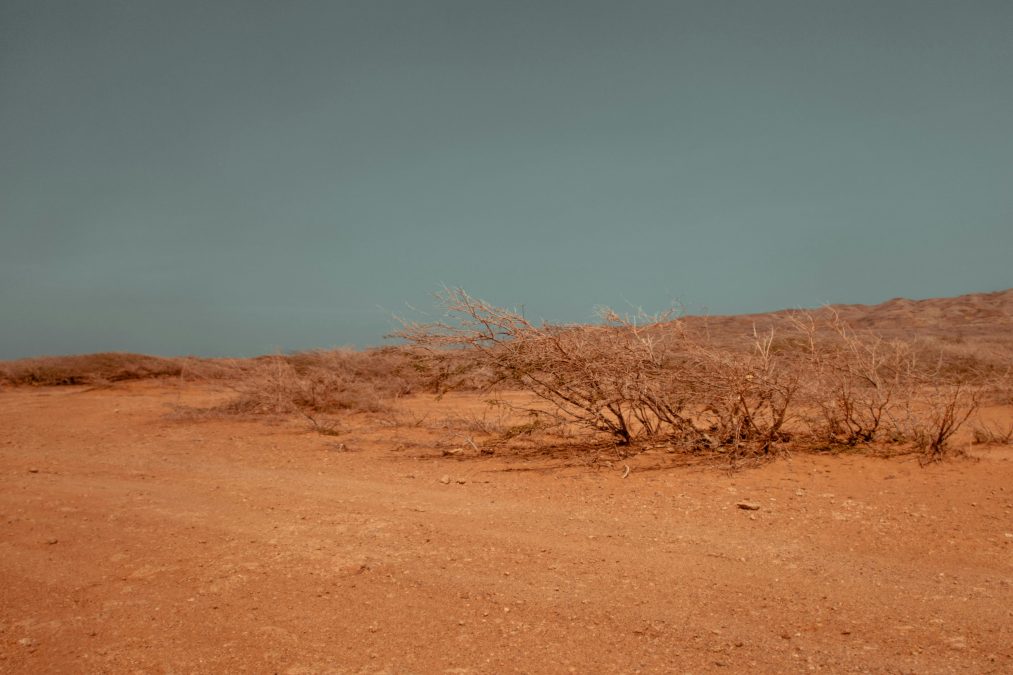
Erratic rains, prolonged dry spells, floods, high food prices, local conflicts, and economic shocks have all fueled the worsening crisis.