Advertisement
Maraga: I would meet protesters at State House, not order them shot
16th July, 2025 12:44 AM

Former Chief Justice David Maraga has said that, if elected president, he would respond to public protests with dialogue rather than force, promising to directly engage demonstrators instead of sanctioning violence.
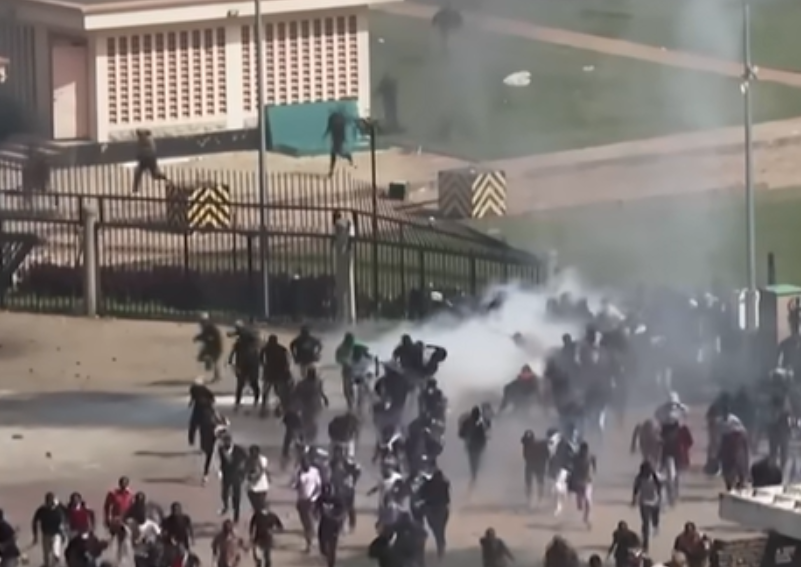
Speaking during an interview on a local media station on July 15, 2025, Maraga was asked how he would handle a scenario where citizens wanted to march to State House, a scene that has become symbolic in the lead-up to the country’s recent wave of youth-led protests.
“If I was in State House, I would even walk out and tell them, young people, what is it that you want? Talk to them and find a way of addressing their issues,” Maraga said.
The former Chief Justice contrasted his approach with current police tactics, criticising the government’s tendency to normalise the use of lethal force to suppress dissent
“These people are not armed. But the orders that are given are to shoot, to control,” he remarked.
Right to protest
When pressed about whether citizens have a legitimate right to march to State House, Maraga indicated that such protests typically arise when people feel unheard by their government.
“If their problems had been listened to, I don’t think they would get there,” he said.

He further defended the right of Kenyans to protest, saying demonstrations are often the last resort for citizens who feel abandoned by the state.
“The young people have been forgotten. Nobody is listening to them. When they complain, using technology, with stereotypes, when they do that, what happens to them? They are abducted. Can you imagine? Abducted, I mean, a young person abducted because he is expressing his anger,” he said.
Addressing dissent
Maraga emphasised that addressing the root causes of protests would be more effective than using force to suppress them, suggesting that gathering proper intelligence and engaging proactively with the public could prevent most confrontations..
“You will have known from intelligence that this is planned. Find a way of addressing those issues. When you address those issues, if there are enough, a few will march there,” he explained.
“The issue is go to the root cause of the problem. Without doing that, the anger will continue,” he reiterated.

Maraga further drew comparisons to previous peaceful demonstrations by doctors and teachers, noting that those protests occurred without violence or property damage.
He suggested that the current confrontational approach is unnecessary.
“We have had marches in the past. We have had doctors. We have had teachers demonstrating on the streets. And there has not been any breakages,” he observed.