Advertisement
KNEC unveils smart lock technology for national exams
27th October, 2025 10:40 AM
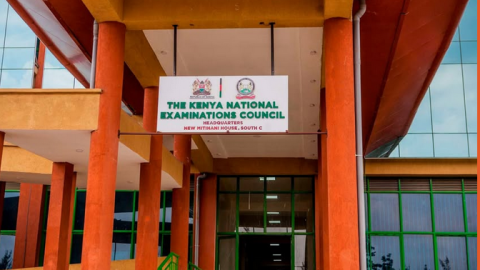
Caption:KNEC introduces smart padlocks to boost exam security. VIDEO/K24TV The Kenya National Examinations Council (KNEC) has rolled out smart digital padlocks in 250 examination storage containers across the country, in a groundbreaking move to tighten security and prevent exam leakages.
Also watch: The Interior Ministry issues strict guidelines to safeguard national exams.
It is being used for the first time in Kenya, is part of ongoing reforms to safeguard the credibility of national examinations and ensure transparency during the 2025 assessment season.
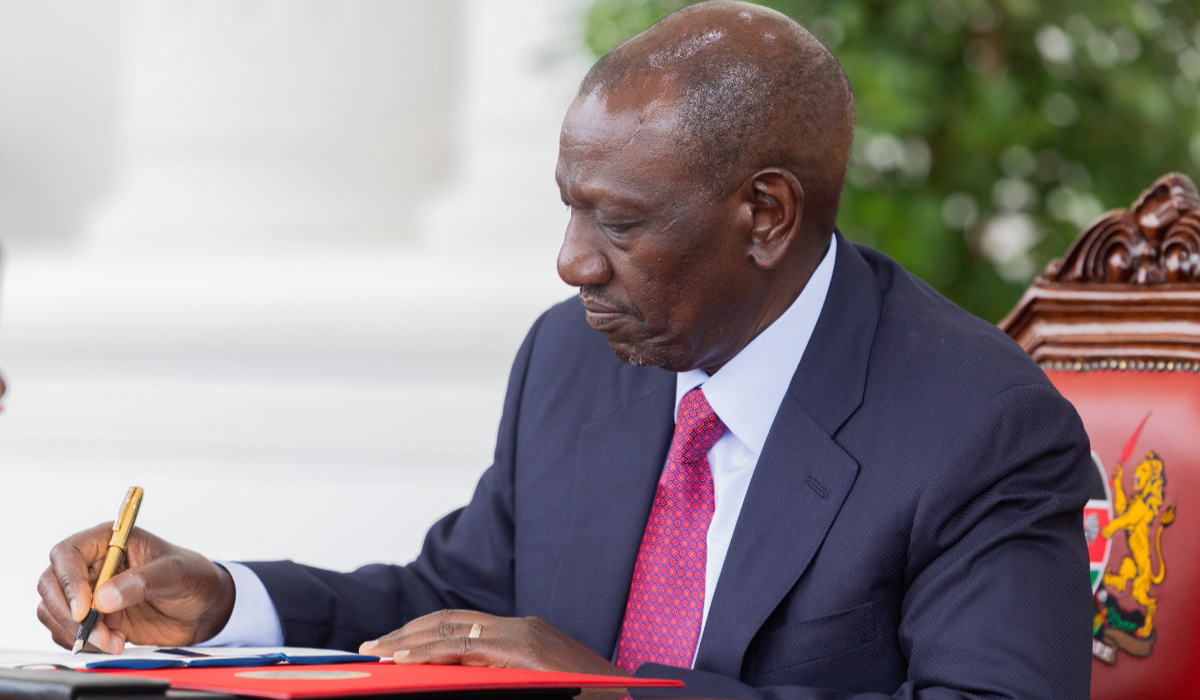
Speaking on Monday, October 27, 2025, during the official opening of the Kenya Junior School Education Assessments (KJSEA), Kenya Primary School Education Assessment (KPSEA), Kenya Intermediate Level Education Assessment (KILEA), Kenya Pre-Vocational Level Education Assessments (KPLEA), Education Cabinet Secretary Julius Migos Ogamba said the digital locks are linked to the KNEC Command Centre, allowing officials to remotely monitor every instance a container is opened or closed.

“These smart padlocks usher in a new phase of examination management. They provide instant verification of access, limit human interference, and enhance accountability,” Ogamba said.
The CS also announced strict communication rules during the Kenya Certificate of Secondary Education (KCSE) examinations. All Centre Managers, Supervisors, Invigilators, Security Officers, and support staff will be required to surrender their mobile phones immediately after receiving examination papers.
Also Watch: KNEC warns against fake exam papers circulating on social media
The phones will be kept in secure lockers until the end of the day’s sessions to prevent unauthorized communication.
Ogamba emphasised that the police will continue handling KCSE security operations, while other assessments, including KPSEA, KJSEA, KILEA, and KPLEA, will be managed under school-based supervision coordinated by education officers and head teachers.

No exam cheating
The CS assured that the Ministry, working jointly with the Teachers Service Commission (TSC) and the Ministry of Interior, has implemented a robust framework to guarantee credible and seamless examinations.
This year marks a historic milestone, with 3,428,729 learners registered for various national assessments. They include 1,298,089 for the KPSEA, 1,230,069 for the KJSEA, 996,978 for the KCSE, 2,414 for the Kenya Integrated Learning and Education Assessment (KILEA), and 1,479 for the Kenya Primary Literacy and Education Assessment (KPLEA).
Ogamba attributed the surge to the government’s continued investment in access and inclusion under the Competency-Based Education (CBE) framework.
To streamline exam logistics, KPSEA and KJSEA materials will be collected once daily at 6:00 a.m., while KCSE papers will be picked twice daily at 7:00 a.m. and 12:30 p.m. for morning and afternoon sessions, respectively.
He added that exam papers this year come with enhanced security features and distinct colour codes to differentiate sessions and prevent confusion.
“These innovations are intended to uphold the integrity of our examinations and ensure that merit remains the foundation of achievement,” he said.