Advertisement
Who was Chief Waiyaki wa Hinga? The veteran whose road was named after him
17th April, 2026 08:43 AM
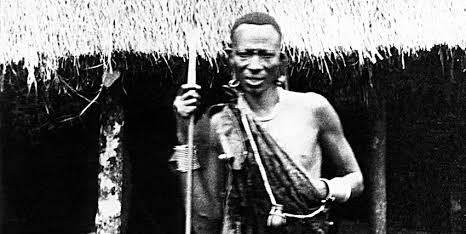
Every day, thousands of motorists use Waiyaki Way without pausing to ask one question: Who was Waiyaki wa Hinga?
Yet one of Nairobi’s busiest roads carries the name of a man remembered in Kenyan history as an influential pre-colonial leader who stood at the centre of early encounters between local communities and British imperial forces.
Waiyaki wa Hinga is widely described by historians as a powerful Kikuyu mũthamaki from the Dagoretti and Kabete region in the late 19th century.
A King (mũthamaki) was not exactly the modern idea of a chief, but a respected political and community leader with authority and influence in his area.
Historical accounts place him among the key figures who engaged, negotiated and later resisted the expanding reach of the Imperial British East Africa Company.
The man behind the name
Waiyaki lived during a turning point in Kenyan history, when foreign commercial and colonial interests were pushing inland from the coast.
Early records show he interacted with Captain Frederick Lugard and other company officials as they moved through Kikuyu country.
What began as contact and negotiation later turned tense. Historical accounts from Kenyan writers and researchers say relations deteriorated after abuses by company agents and growing interference in local life.
Waiyaki became associated with resistance to foreign control in the Dagoretti area.
In 1892, he was captured after a confrontation with British officer W.P. Purkiss. He was then taken away toward the coast and died during the journey.
Some traditions say he was buried at Kibwezi, while others claim he was buried alive, though historians note parts of the story remain debated.
What do Waiyaki and Hinga mean?
Names in many Kenyan communities carry meaning, identity and family history.
The name Waiyaki is commonly linked to bravery, leadership and distinction in oral traditions, though exact interpretations can vary by dialect and family lineage.
Hinga has been explained in some historical accounts as a descriptive name tied to guardedness, concealment or someone difficult to read easily.
In everyday understanding, many would relate it to a reserved person, a keeper of secrets or one who does not reveal everything openly. Meanings can differ depending on source and historical context.
About Waiyaki Way
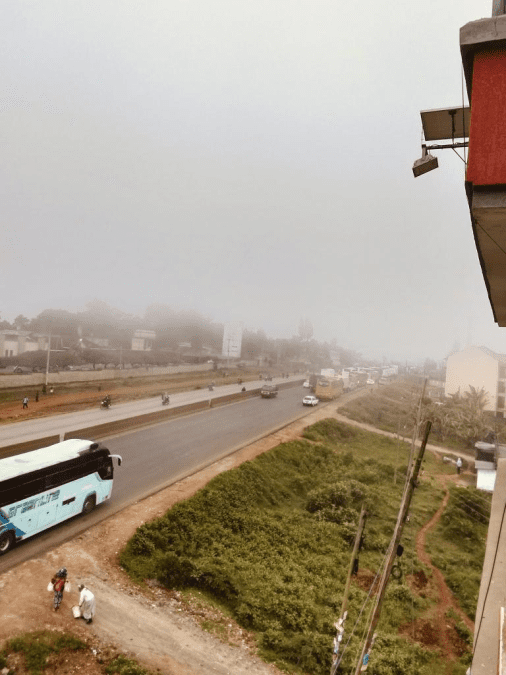
Waiyaki Way is one of Nairobi’s main western corridors.
For many drivers, it begins from the CBD side around Museum Hill, Chiromo and the Westlands edge, then runs through or past key zones such as Westlands, Kangemi, Mountain View, Uthiru, Kabete junction areas and toward Kikuyu before linking onward to Limuru and the wider A104 route depending on the section used.
If you drive along Waiyaki Way from the CBD side, it can connect you to:
-Westlands business district
-University and education zones near Chiromo and the Kangemi side
-Residential estates such as Mountain View and Uthiru
-Kikuyu town
-Limuru direction
-Naivasha and Nakuru route via the highway network
-Western Kenya travel corridor through the larger road system
That is why the road is not just a Nairobi street. It is a gateway linking the capital to homes, businesses and upcountry destinations.
Why his name still matters
Road names are often chosen to preserve memory. By naming this major route after Waiyaki wa Hinga, Nairobi keeps alive the story of a leader tied to courage, political authority and resistance during a defining period of Kenyan history.
For many people, Waiyaki Way is traffic, matatus and daily commuting. But behind the signboard is a name that carries history.
Chief Waiyaki wa Hinga was more than a road name. He was a respected leader from the Dagoretti area whose life intersected with the earliest phase of colonial expansion in Kenya.
His legacy now lives through one of Nairobi’s most important roads, travelled daily by people who may not realise they are driving through a piece of history.