Advertisement
KNCHR report exposes rising wave of media gag
13th August, 2025 04:32 PM

Kenya’s media and online spaces are facing a mounting wave of censorship despite strong legal guarantees for freedom of expression, according to a new report released Wednesday by the Kenya National Commission on Human Rights (KNCHR).
The report for the period 2020-2022 was released on Wednesday, August 13, 2025, and warns that recent years have seen both government and corporate actions that limit press freedom, stifle public debate, and undermine citizens’ right to access information.
“Censorship in Kenya is no longer theoretical; it is happening in plain sight. From broadcast licences being rescinded to activist social media accounts suspended, the patterns are worrying,” KNCHR states.
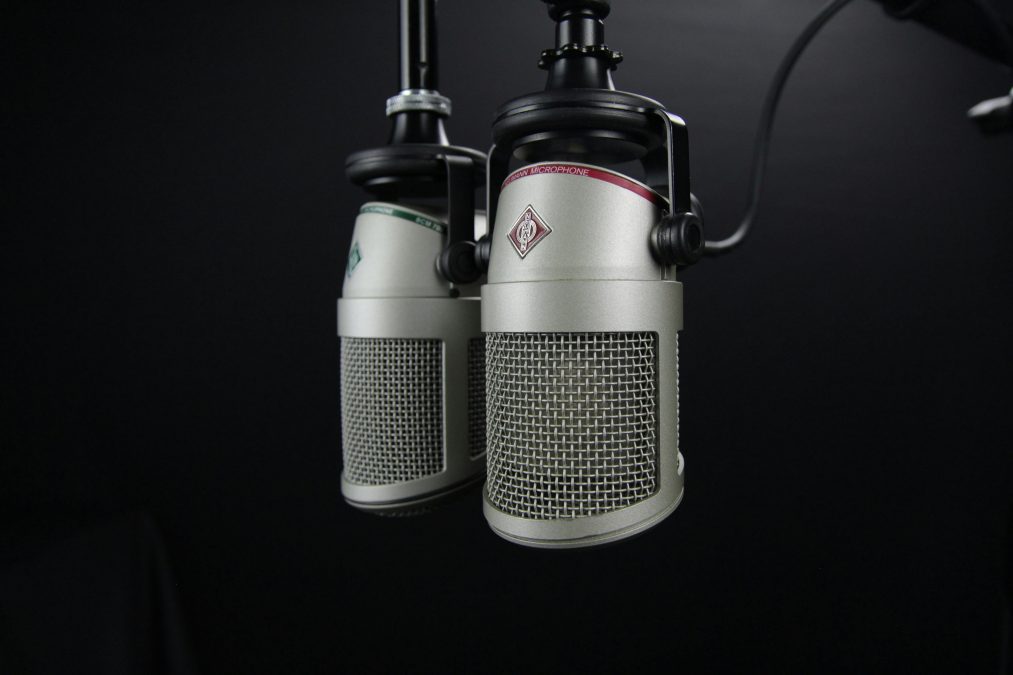
One of the most striking incidents occurred on December 22, 2021, when the Communications Authority of Kenya (CAK) rescinded the licences of 128 broadcasters.
While the authority cited regulatory non-compliance, KNCHR notes the mass action’s chilling effect.
“Such broad measures risk silencing legitimate voices, especially community broadcasters who play a key role in local information dissemination,” the report says.
KNCHR says this undermined public discourse on urgent socio-economic issues.
“De-platforming without transparency or remedy deprives citizens of critical channels for participation,” the report observes.
Between 2020 and 2022, KNCHR recorded 23 online censorship cases and 11 offline censorship cases. Worryingly, 22 of the online cases and nine of the offline cases were never remedied.
This is despite Kenya scoring a strong 90 per cent on access to information in the Commission’s rights assessment index.
“This paradox of high legal guarantees but poor enforcement highlights the gap between theory and practice,” KNCHR warns.
The report also draws attention to the use of Strategic Lawsuits Against Public Participation (SLAPPs) to intimidate rights groups and journalists.
“SLAPP suits drain resources and divert focus from public interest work, creating a deterrent effect on investigative reporting and advocacy,” the report states.

Freedom on paper, control in practice
Kenya’s Constitution and legislation protect freedom of opinion, expression, and access to information. Yet, KNCHR says, the growing use of administrative controls, opaque online takedowns, and legal harassment is steadily eroding these rights.
“The right to freedom of expression includes the right to seek, receive, and impart information without interference,” the report reminds.
“When voices are silenced through regulatory or judicial manoeuvres, the democratic process suffers.”
KNCHR is calling for urgent reforms to strengthen remedies for censorship and to guard against abuse of regulatory powers.
It recommends: Clear, transparent processes for suspending or rescinding broadcast and publishing licences, public reporting by online platforms on content removal or account suspension decisions affecting Kenyan users and adoption of anti-SLAPP guidelines to prevent misuse of the legal system to silence critics.
“Stronger and faster remedies for both online and offline censorship are essential,” KNCHR says. “We must ensure that rights are not just protected in law but upheld in practice.”
The report comes as Kenya’s political climate heats ahead of the 2027 general elections, a period historically marked by heightened sensitivity to dissent.
“If censorship trends continue unchecked, Kenya risks sliding into a culture of self-censorship where citizens hesitate to speak out,” KNCHR warns.
“Protecting media and digital freedoms is not just about journalism; it is about safeguarding democracy itself.”