Advertisement
Types of internet connectivity explained and what most people don’t know
10th May, 2026 10:15 PM
The internet today is more than speed tests and social media scrolling.
It powers business, education, entertainment, and even smart homes.
Behind every video call and online payment lies a different type of internet connection, each with its own strengths, weaknesses, and hidden truths.
Like poetry in motion, internet connectivity works best when everything flows smoothly in the background.
Yet many users never understand the technology carrying their daily digital lives.
Here are the common types of internet connectivity and what you probably did not know about them.
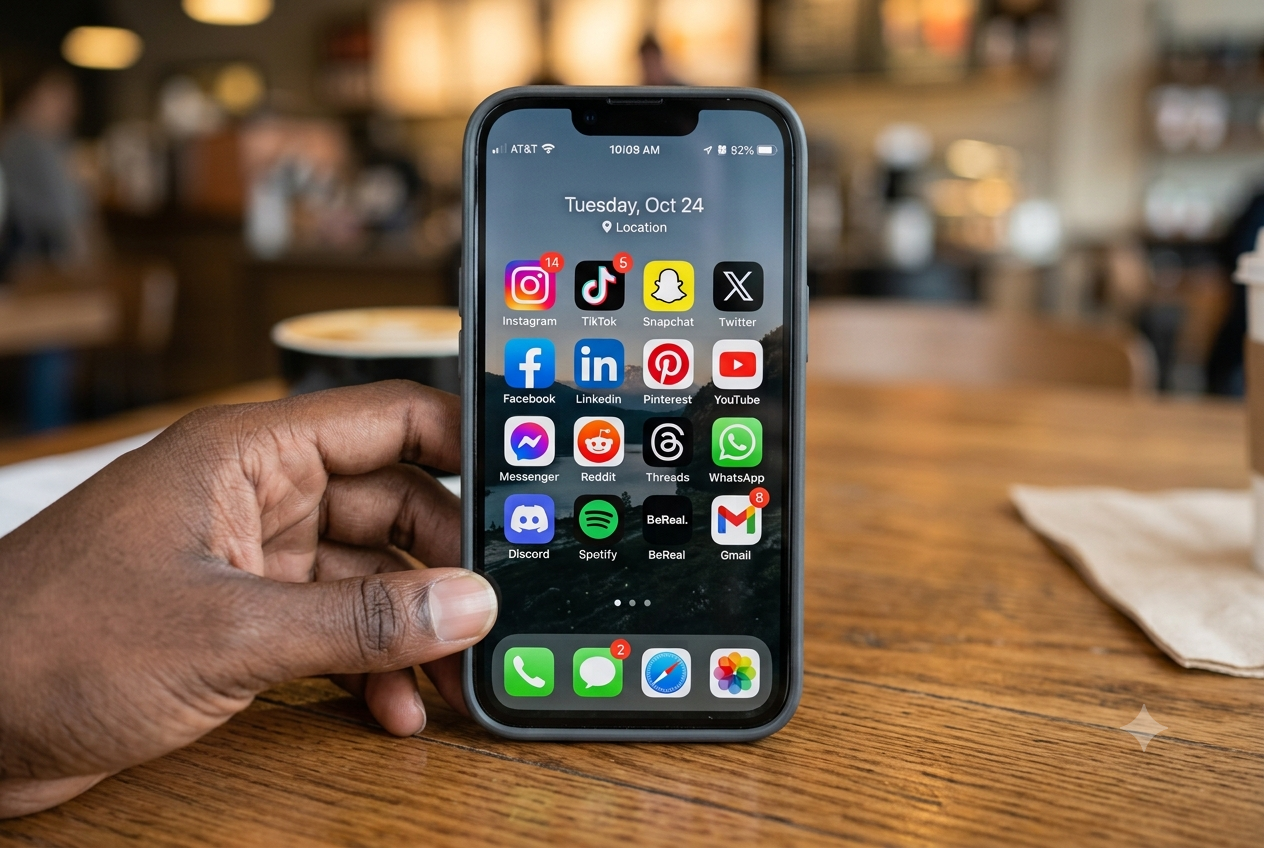
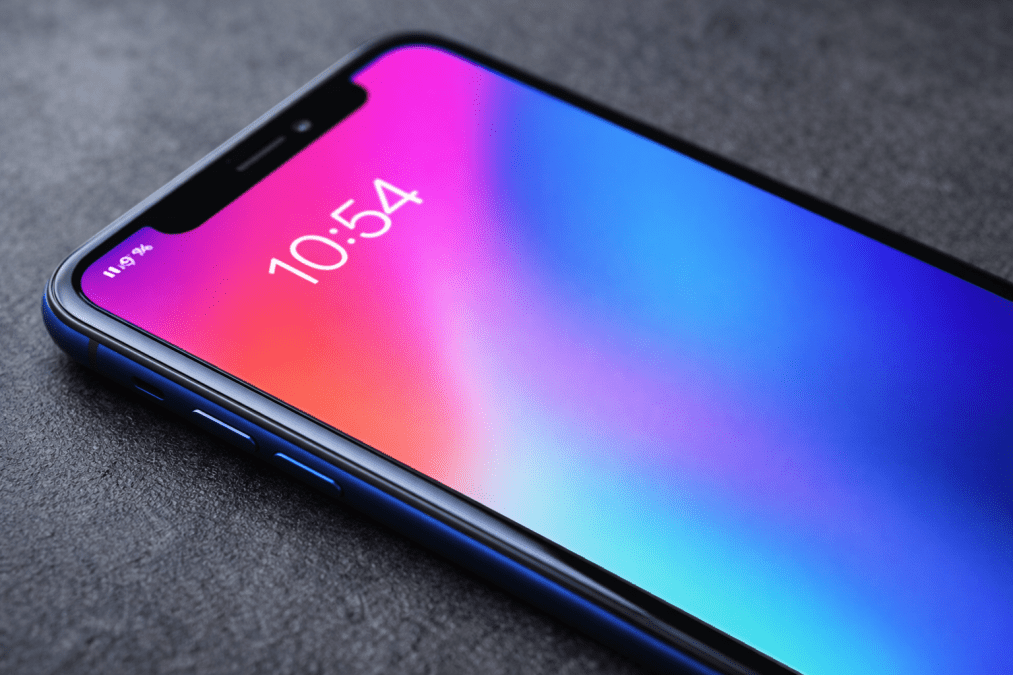
SIM card subscription internet
This is the most common internet connection in many countries.
It works through mobile network towers using a SIM card from providers such as Airtel, Safaricom, or MTN.
Most smartphones rely on this connection through 3G, 4G, or 5G networks.
What You Probably Didn’t Know
- Your internet speed depends heavily on tower congestion. Even with full signal bars, speeds may slow down when many people are connected at the same time.
- Weather conditions can affect mobile internet quality, especially during storms.
- Some smartphones perform better because they contain stronger network modems and antenna systems.
- 5G may be fast, but it also consumes more battery power than 4G in many devices.
- Many users think buying more expensive bundles improves speed, yet location and tower quality matter more.
SIM card internet offers flexibility and mobility. It is internet in constant motion, flowing wherever the user travels.
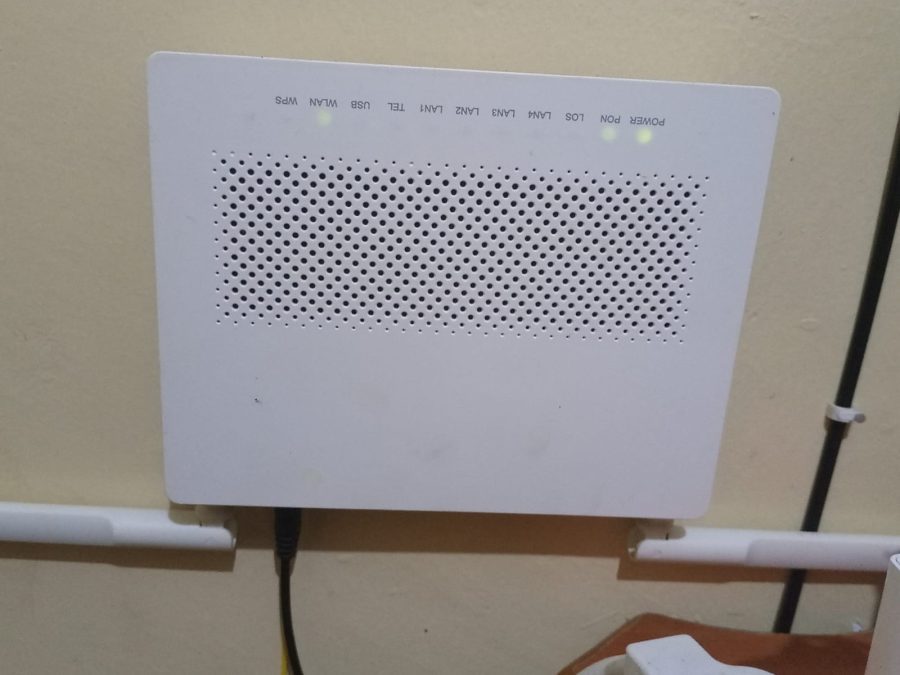
Home fibre internet
Home fibre uses fiber optic cables to deliver internet directly into homes and offices. These cables use light signals instead of traditional electrical signals.
It is currently one of the fastest and most stable internet technologies available.
What You Probably Didn’t Know
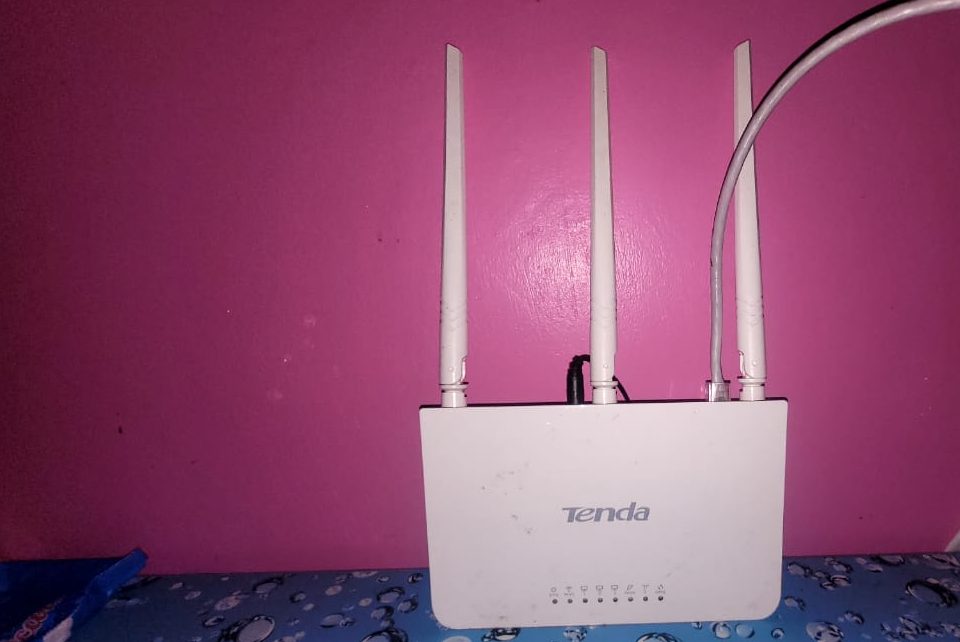
- Fibre internet can still slow down if your Wi-Fi router is weak or outdated.
- Many users pay for high-speed packages but use routers that cannot fully deliver those speeds.
- Fibre cables are extremely thin and delicate despite carrying massive amounts of data.
- The internet may remain fast even during bad weather because fiber optic technology is less affected by electrical interference.
- Your internet provider may share bandwidth among multiple homes in one neighborhood.
With fibre, streaming, gaming, and video conferencing often feel like poetry in motion, smooth and almost effortless.
Satellite internet
Satellite internet connects users through satellites orbiting in space instead of cables or mobile towers. It is popular in remote areas where fibre or strong mobile networks are unavailable.
Modern satellite systems have improved greatly in recent years.
What You Probably Didn’t Know
- Older satellite internet had high delay, also called latency, making online gaming difficult.
- Heavy rain and storms can interrupt the signal temporarily.
- Satellite internet can reach places where no fibre cable or mobile tower exists.
- Some modern low-earth-orbit satellites now offer much faster speeds and lower delay than older systems.
- Installation often requires a clear view of the sky for better signal reception.
Satellite internet proves that even from space, digital communication can still move like poetry in motion.
ODU internet
ODU stands for Outdoor Unit internet. This connection uses a mounted outdoor receiver installed on rooftops or walls to capture wireless internet signals from nearby transmission stations.
It is commonly used by homes and businesses where fibre is unavailable.
What You Probably Didn’t Know
- ODU internet often performs better than regular SIM-card hotspots because the outdoor antenna receives stronger signals.
- Trees, buildings, and hills can interfere with signal quality.
- Many internet providers secretly use ODU systems to extend internet into areas without underground fibre.
- Proper installation direction is very important for speed and stability.
- Strong winds can sometimes shift poorly mounted equipment and affect performance.
ODU technology quietly bridges the gap between mobile internet and fibre connectivity.
Every internet connection tells a different story. Some rely on towers, others on underground light cables, rooftop antennas, or even satellites floating above Earth.
Choosing the right internet is not only about speed. It is about reliability, coverage, latency, and how well it fits your lifestyle.
When properly connected, the digital world flows with invisible precision and harmony, almost like poetry in motion.