Advertisement
What is a fourth-generation aviator pilot? Understanding fighter jet generations and pilot ranks
21st August, 2026 07:55 AM
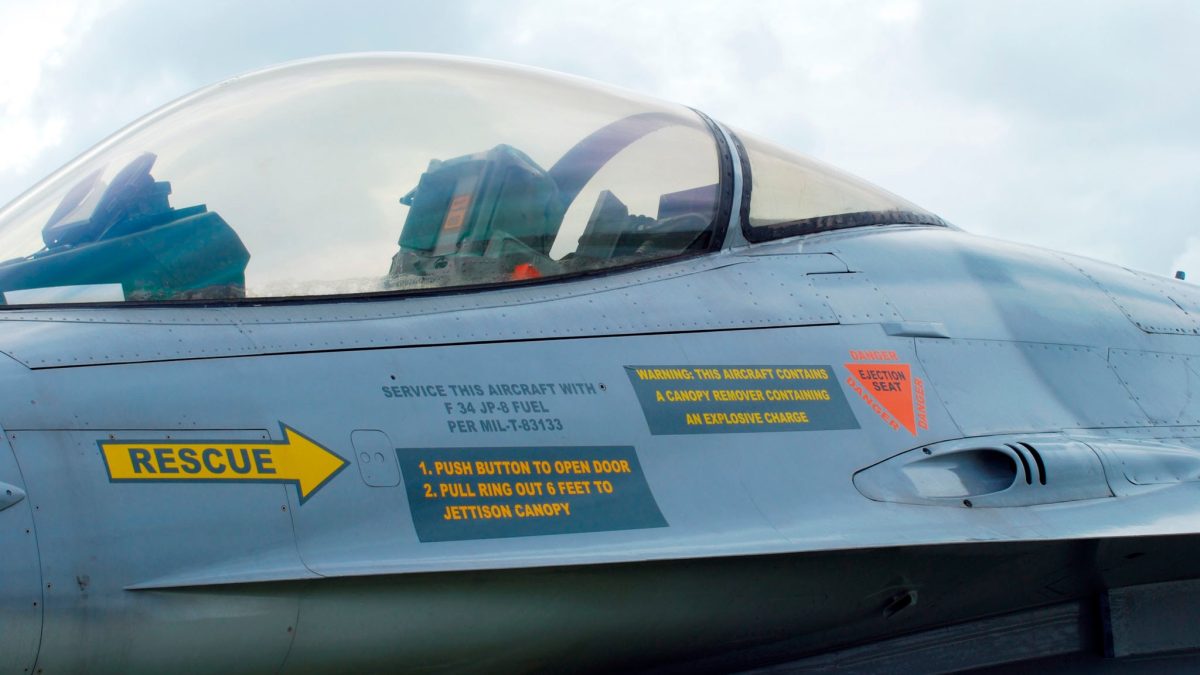
The phrase ‘fourth-generation aviator pilot’ can sound like a special military rank, but it generally refers to a pilot who flies or is trained to operate a fourth-generation fighter aircraft.
The term ‘generation’ describes the technology and capabilities of the aircraft rather than the seniority or experience of the person flying it.
Understanding the distinction can help explain why fighter pilots, aircraft and military ranks are often discussed together, even though they represent different things.
What makes a fighter jet fourth-generation?
Fighter aircraft are grouped into generations according to technological developments. Fourth-generation jets emerged mainly from the 1970s and are known for improved manoeuvrability, advanced radar systems, sophisticated avionics and greater weapons capabilities compared with earlier aircraft.
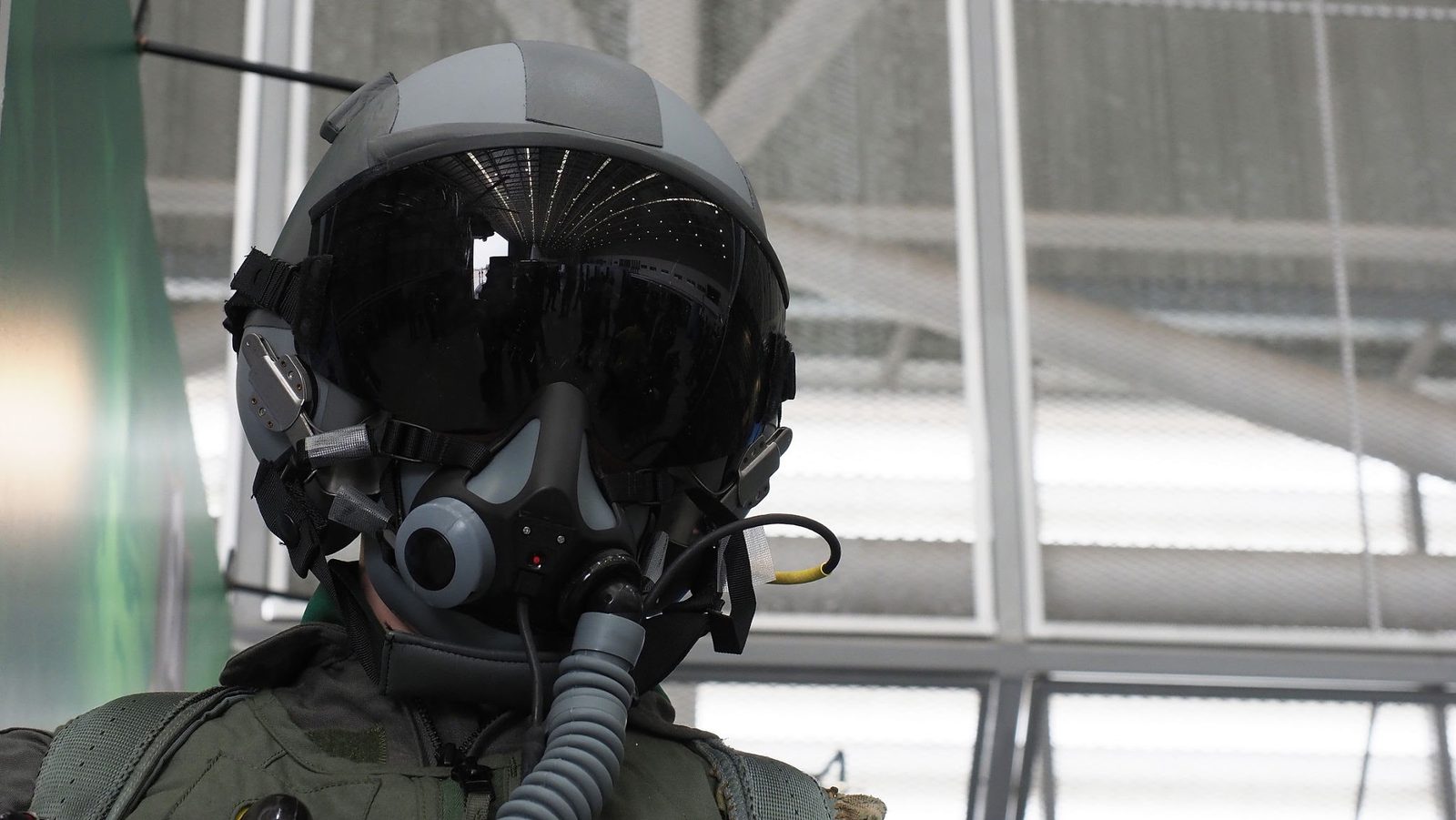
Well-known examples include the F-16 Fighting Falcon and F-15 Eagle. Some later versions have received significant upgrades, allowing them to remain capable despite being based on older designs.
Fifth-generation aircraft, such as the F-22 Raptor, introduce more advanced features, including stealth, highly integrated sensors and improved information-sharing capabilities.
So, what is a fourth-generation pilot?
A fourth-generation pilot is not a formal military rank. It is a convenient way of describing an aviator who operates a fourth-generation fighter jet or has specialised training for such aircraft.
These pilots undergo extensive training before flying advanced military aircraft. Their preparation can include flight skills, navigation, weapons systems, emergency procedures, aircraft systems and decision-making under demanding conditions.
A pilot’s ability is therefore not determined simply by the generation of aircraft they fly. Experience, training, discipline and operational readiness also play major roles.
How do pilot ranks differ from aircraft generations?
Military pilot ranks are separate from aircraft generations. A pilot may hold a rank such as lieutenant, captain, major, lieutenant colonel or colonel, depending on the country’s military structure and their career progression.
For example, a relatively junior officer could be qualified to fly a fourth-generation fighter, while a more senior officer could have extensive experience commanding a squadron rather than spending most of their time in the cockpit.
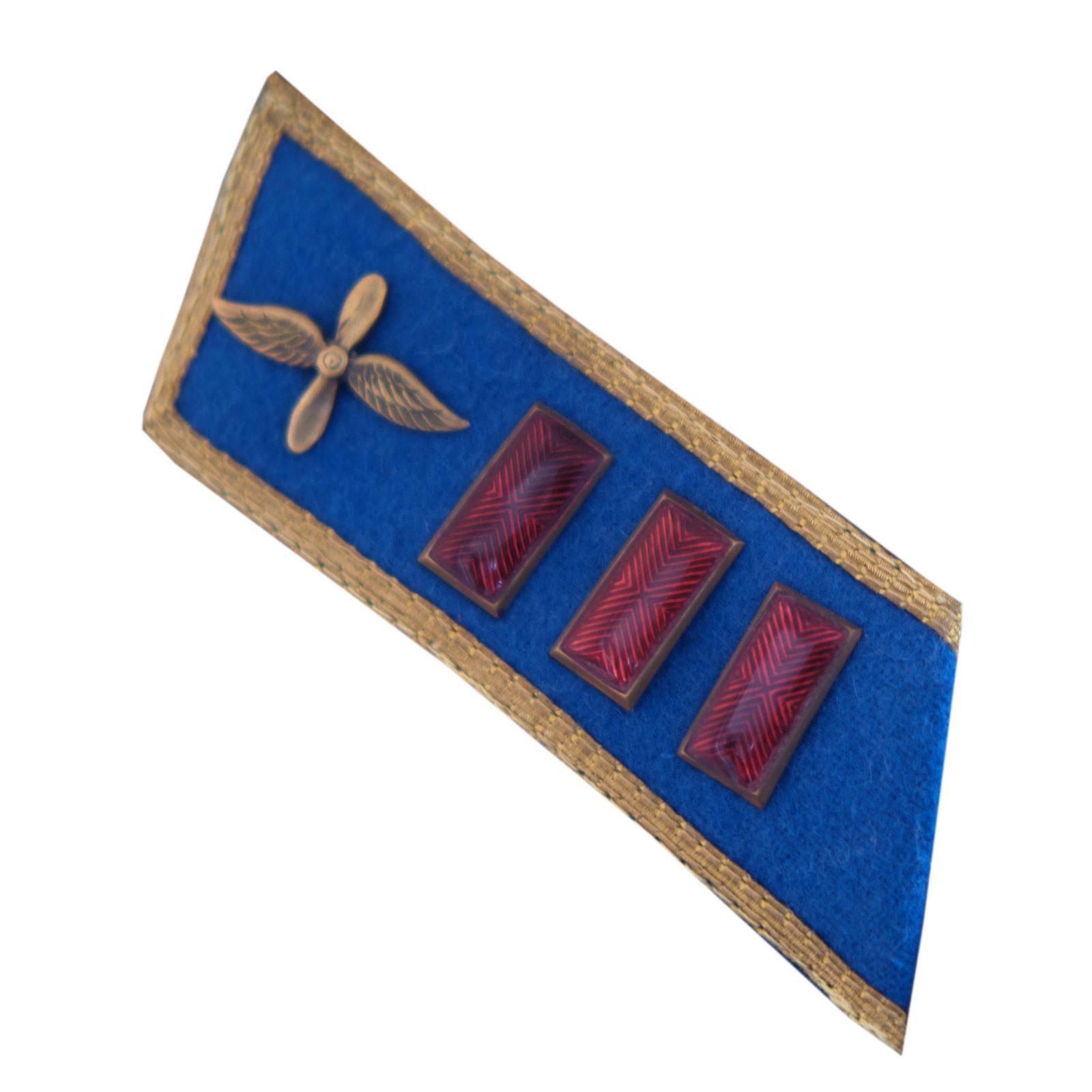
The distinction is useful because aircraft generations describe technology, while military ranks describe a person’s position and authority within the armed forces. A “fourth-generation aviator” therefore tells you more about the aircraft and training involved than about the pilot’s rank.