Advertisement
Kenya vows to keep HIV services running, but counties struggle to foot bills – Report
24th August, 2025 08:45 AM
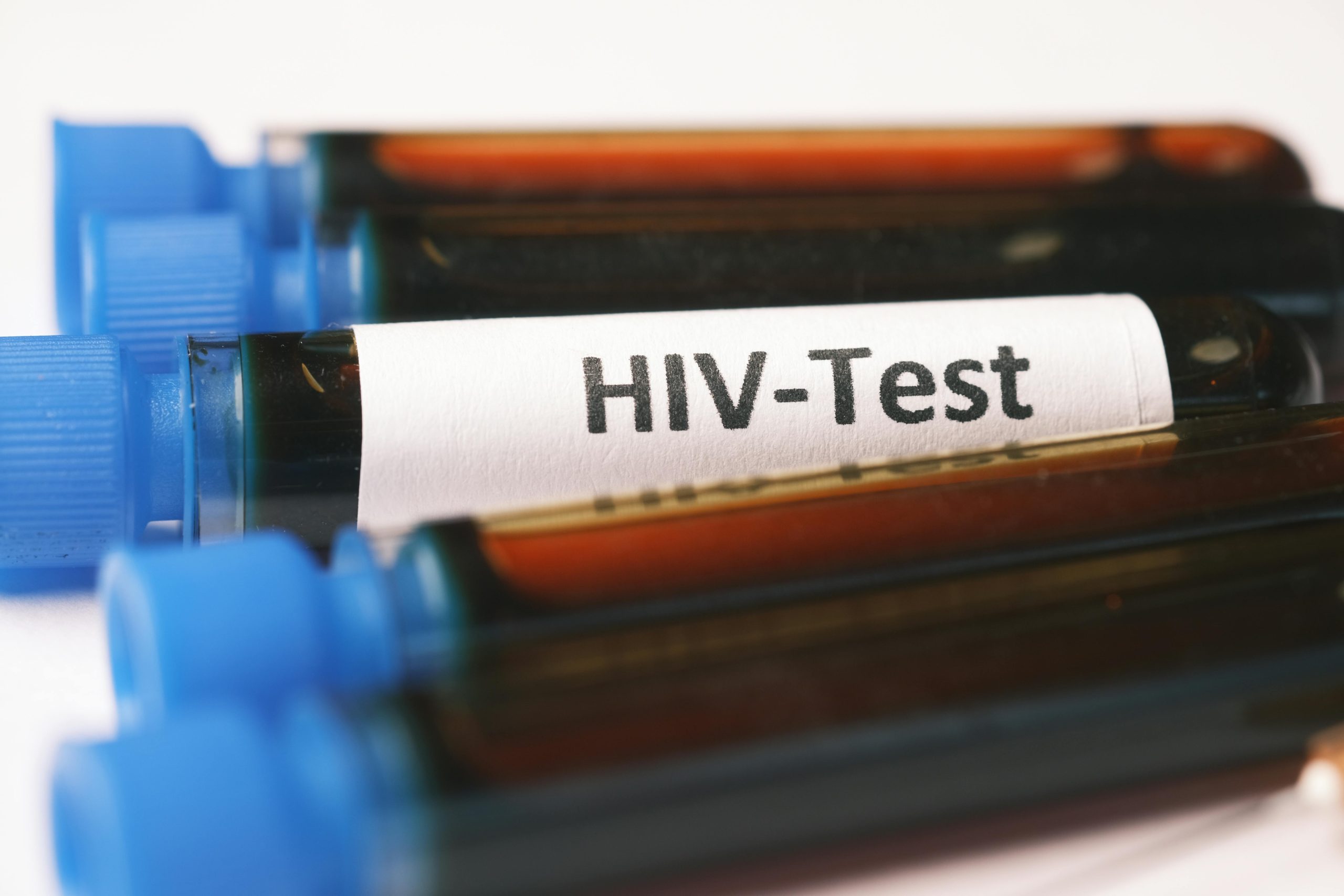
Kenya is facing a critical test of its health system after the United States paused foreign assistance in January 2025, disrupting HIV services across 55 countries.
According to the Sustainable Development Goals (SDG) Report 2025 released on Sunday, August 24, 2025, the potential long-term fallout could be devastating: a permanent halt could result in 6 million new infections and 4 million AIDS-related deaths by 2029.
Yet amid the uncertainty, Kenya has emerged as one of the few countries to publicly pledge that it will maintain HIV services with domestic resources. The move has won praise internationally, but it also raises the pressing question: can national and county governments actually sustain programmes that have for decades relied heavily on external aid?
“In January 2025, the United States paused foreign assistance, disrupting HIV services across 55 countries, putting the health and well-being of millions of people at risk,” the report warns.
It notes that US support through PEPFAR and the Global Fund had previously enabled the distribution of life-saving antiretroviral therapy (ART), testing, and prevention programmes in countries with some of the highest HIV burdens.
“As of December 2024, 560,000 children were receiving life-saving treatment supported by the United States,” the report states.

Kenya’s stand
Kenya, where more than 1.4 million people live with HIV, is not immune to this disruption. However, the government has pledged to step in, the SDG report highlights.
“Kenya is among the few countries that publicly pledged to maintain services with domestic funds,” the report observes.
Health ministry officials say the government is committed to safeguarding the gains made over the past two decades. With HIV prevalence in some counties, such as Homa Bay and Kisumu, still above 15 per cent, uninterrupted treatment is a matter of life and death.
“Kenya has made significant progress in expanding treatment and reducing new infections. This progress must not be reversed,” the report cautions.
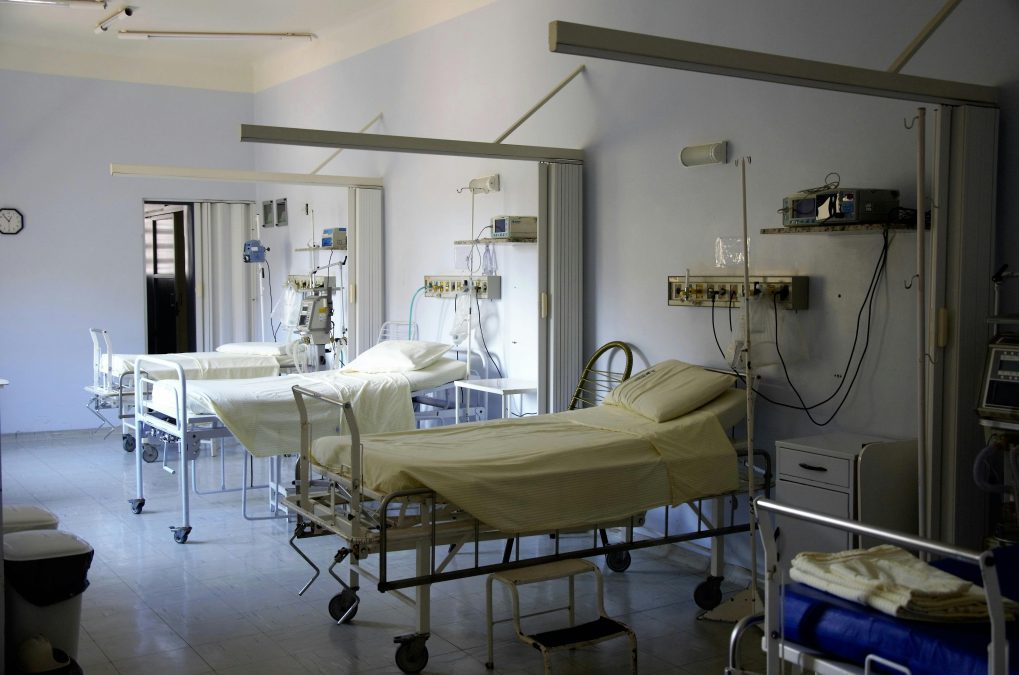
The UN says the real challenge now lies at the county level, where most health services are delivered. Facilities in Kisumu, Homa Bay, Nairobi, and Mombasa are already grappling with funding gaps, staff shortages, and strained supply chains. County governments, tasked with running clinics and ensuring ART supply, must find additional resources to fill the gap left by U.S. funding.
Health workers in Kisumu have raised concerns that a pause in external support could lead to delayed drug refills and stalled prevention programmes targeting adolescents and young women.
The SDG Report warns that without sustained financing, the fragile progress could unravel quickly.
“If services are interrupted, the consequences will be catastrophic. A permanent halt in support could result in 6 million new infections and 4 million deaths due to AIDS-related illnesses by 2029,” it says.
Communities on edge
Patients, too, are anxious. For many, U.S.-funded programmes were their lifeline. The fear is that without predictable support, treatment interruptions could become frequent.
Civil society groups have called for clarity on how national and county budgets will absorb the funding gap. They argue that while Kenya’s pledge is commendable, financing HIV programmes requires predictable, ring-fenced resources rather than ad hoc allocations.
“It is not enough to make promises. Governments must transparently allocate funds and ensure treatment continuity at the community level,” the report emphasises.
Kenya’s pledge also comes at a time when health systems are stretched by multiple demands, from non-communicable diseases to maternal health and the growing threat of climate-linked health emergencies. With only 5 years left to the 2030 deadline, the SDG Report stresses the urgency of resilient health financing.
“The global HIV response demonstrates both the progress possible through international solidarity and the fragility of those gains when funding is threatened,” the report says.
The country’s stand against the PEPFAR scare is bold, but whether it can be sustained remains uncertain. As county treasuries finalise their budgets for the new fiscal year, the real test will be whether clinics in high-burden counties continue to dispense ART without interruption.tients, too, are anxious. For many, U.S.-funded programs were their lifeline. The fear is that without predictable support, treatment interruptions could become frequent.
Civil society groups have called for clarity on how national and county budgets will absorb the funding gap. They argue that while Kenya’s pledge is commendable, financing HIV programs requires predictable, ring-fenced resources rather than ad hoc allocations.
“It is not enough to make promises. Governments must transparently allocate funds and ensure treatment continuity at the community level,” the report emphasises.
Kenya’s pledge also comes at a time when health systems are stretched by multiple demands, from non-communicable diseases to maternal health and the growing threat of climate-linked health emergencies. With only 5 years left to the 2030 deadline, the SDG Report stresses the urgency of resilient health financing.
“The global HIV response demonstrates both the progress possible through international solidarity and the fragility of those gains when funding is threatened,” the report says.
The country’s stand against the PEPFAR scare is bold, but whether it can be sustained remains uncertain. As county treasuries finalise their budgets for the new fiscal year, the real test will be whether clinics in high-burden counties continue to dispense ART without interruption.