Advertisement
Governors’ boss explains root cause of financial crisis in counties
12th August, 2025 12:20 PM
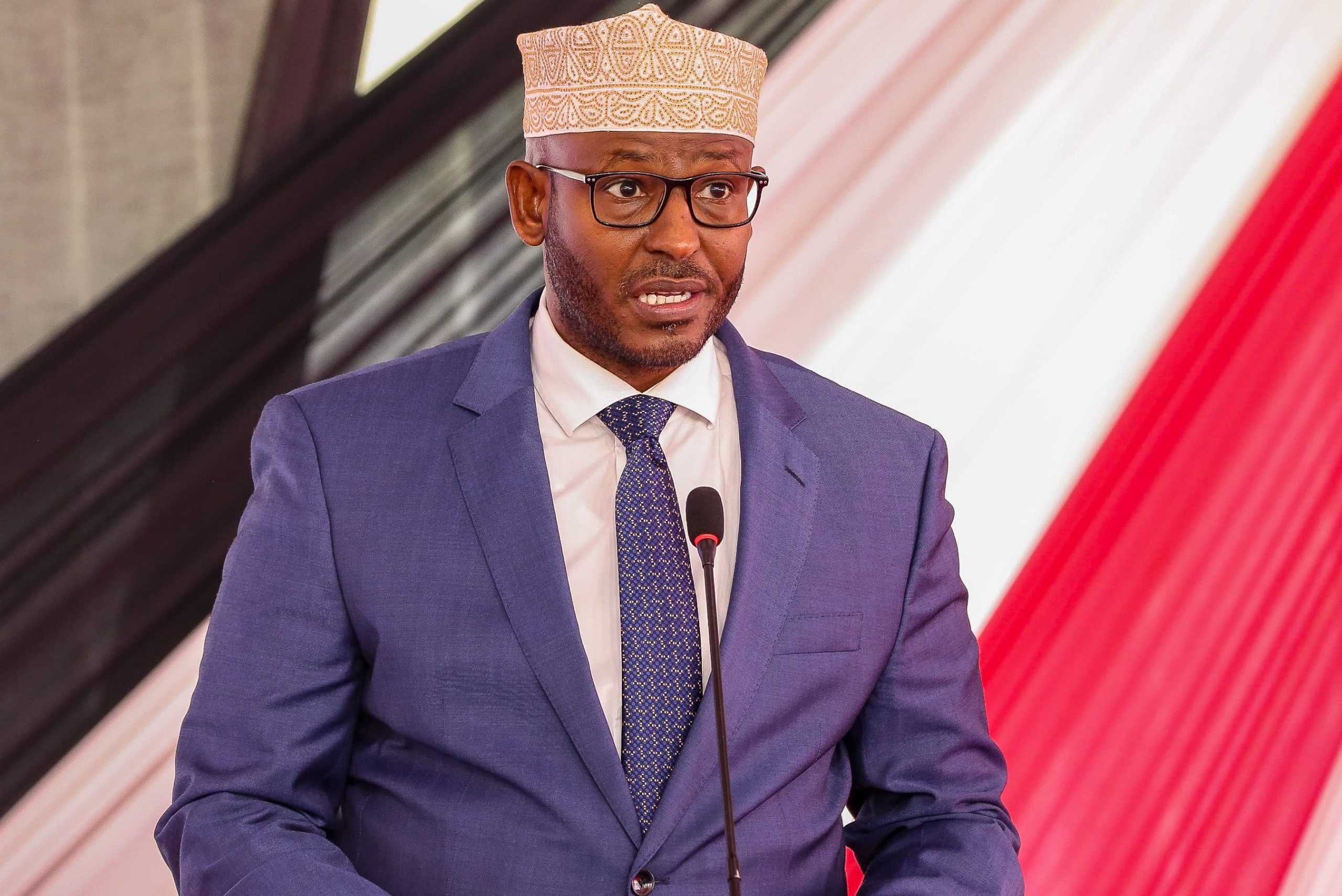
Council of Governors (COG) Chair Ahmed Abdullahi has said that poor planning during the creation of counties has left many devolved units economically unsustainable.
Speaking in a TV interview on Tuesday, August 12, 2025, Abdullahi argued that economic viability was never considered when the 47 counties were established, leaving them “completely misplaced” in terms of their ability to generate and manage resources effectively.
While defending the concept of devolution, Abdullahi stressed that development is not simply about constructing infrastructure but about delivering services closer to citizens, ensuring fair resource distribution, involving the public in governance, and empowering communities.
He maintained that these goals remain central to the spirit of the 2010 Constitution, which introduced county governments as a way to decentralize power and promote equality.
Calls for equitable resource sharing
Abdullahi reiterated the need for resources to be shared equally among all 47 counties through a constitutional formula. He said this would ensure that no region is left behind and that all citizens benefit from national development regardless of location.

He also acknowledged the importance of standardization in public service delivery but warned that efficiency should not come at the expense of security and resilience.
Raising concerns about Kenya’s growing reliance on centralized digital platforms, Abdullahi questioned the risks of placing all government revenue collection under a single system such as the eCitizen portal.
“What if we have one platform where we put all our revenue, and it is hacked? What could be the consequences for us as a country?” he posed. His remarks come amid increasing debate over the balance between technology-driven governance and the need for robust safeguards against cyber threats.
The COG chair also highlighted the complexity of managing 47 separate county administrations alongside the national government, describing it as “48 governments, one nation.” He said that while devolution has empowered local governance, the bureaucratic structures can sometimes slow down service delivery and hinder the efficiency of development programs.
Abdullahi’s comments add to ongoing discussions about reforming the devolution framework to ensure that counties are not only politically viable but also economically self-sustaining.
As Kenya approaches more than a decade mark since devolution was rolled out, questions over its financial sustainability is likely to take center stage in the country’s policy debates.