Advertisement
Global Anglican ties strain, uncertain if nearing breaking point
18th November, 2025 01:03 PM
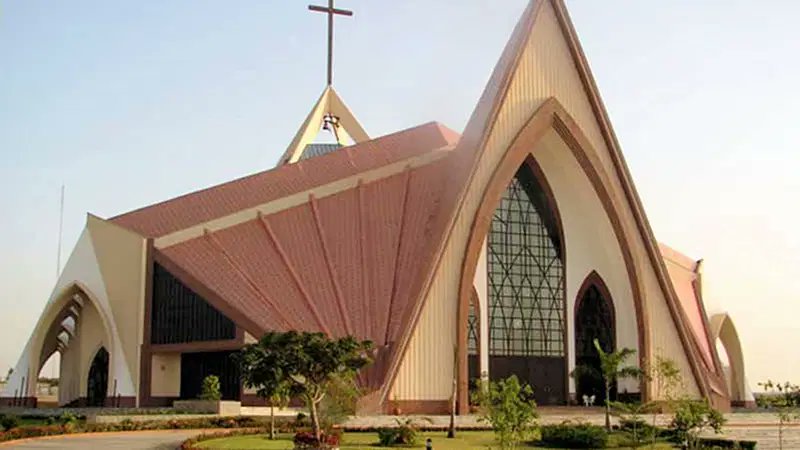
After decades of fierce controversies over sexuality and theology in the Anglican Communion, some leaders of a conservative coalition say it’s time to make a final break from what has long been one of the world’s largest Protestant church families.
That would make a slow-growing Anglican schism complete, if it happens.
But how many church provinces go along with the rupture remains to be seen. Some of the communion’s largest and fastest-growing churches in Africa belong to the conservative group that announced the break, known as the Global Anglican Future Conference, or Gafcon.
But several member churches have been silent on the plan, weeks after it was announced.
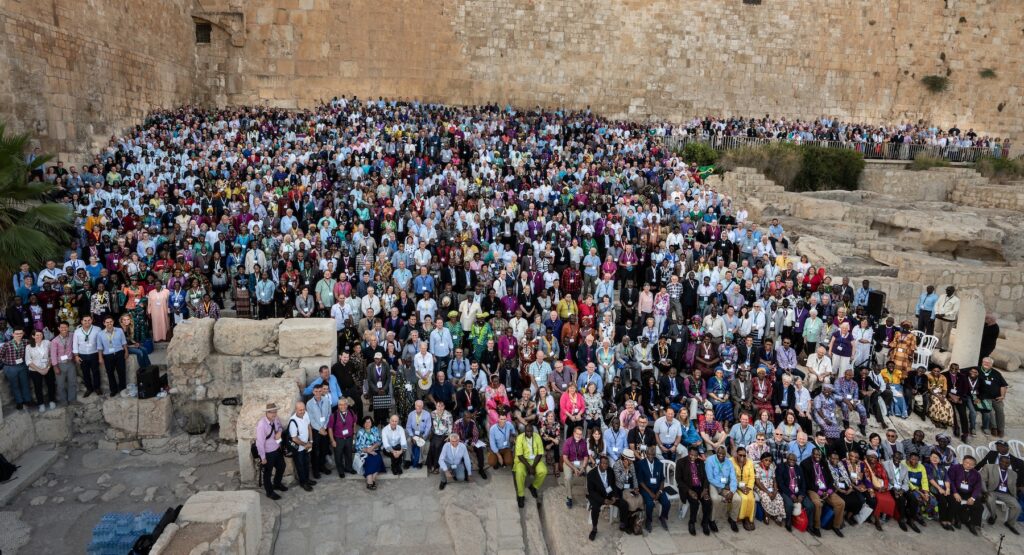
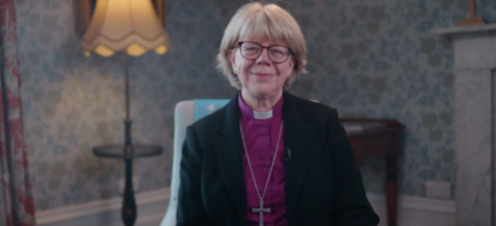
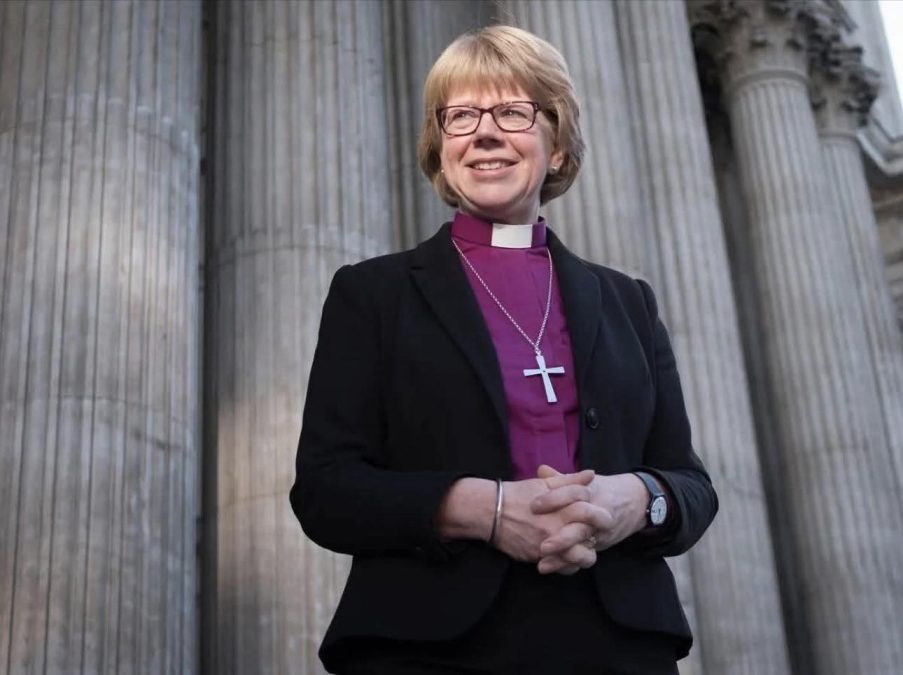
Gafcon’s announcement came shortly after the October appointment of Bishop Sarah Mullally as the first woman to be archbishop of Canterbury, the Anglican Communion’s symbolic spiritual leader. Many in England and other Western countries hailed this as a historic breaking of a stained-glass ceiling.
But leaders of Gafcon criticized the appointment, as did some other bishops. Some said only men should be bishops, but their bigger criticism was her support for some LGBTQ+-inclusive policies , the key fault line in the communion.
Within days of Mullally’s appointment, Gafcon issued another declaration. It completely rejected the Anglican Communion as it has been structured historically.
That structure has included a set of governing and advisory bodies and recognition of the archbishop of Canterbury as a symbolic “first among equals” among leaders of self-governing national churches, known as provinces. Since provinces are self-governing, the archbishop’s authority is highly limited.
The ”future has arrived,” said Gafcon’s chairman, Archbishop Laurent Mbanda of Rwanda, in its October statement.
“We declare that the Anglican Communion will be reordered.” His statement decried churches, it said, had violated a 1998 statement by the communion’s bishops, opposing same-sex unions and describing “homosexual practice as incompatible with Scripture.”
Gafcon proclaimed what it calls a restructured “Global Anglican Communion.” It would be overseen by a new council of top national bishops, or primates. Whoever is elected chairman would be “first among equals.”
Breakaway size remains uncertain
The question remains is: How many Gafcon members are actually going along with this plan, and how many want to remain in the existing Anglican Communion as a loyal opposition?
Primates of Africa’s two largest national provinces, Nigeria and Uganda, have joined their Rwandan counterpart in endorsing the measure, according to Bishop Paul Donison, Gafcon’s general secretary. So have smaller churches ranging from Myanmar to the Americas.
Nigeria Archbishop Henry Ndukuba confirmed his church’s endorsement of Gafcon’s plan. He called Mullally’s stances on same-sex issues “devastating.”
“This election is a further confirmation that the global Anglican world could no longer accept the leadership of the Church of England and that of the Archbishop of Canterbury,” he said in a statement.
Donison said Gafcon’s statement was drafted at a meeting in Australia, which included several church leaders on Zoom, though several others did not participate. Gafcon’s statement said its bishops would “confer and celebrate” restructuring at their next major meeting, scheduled this March in Nigeria.
Among those signing on to the Gafcon statement is the conservative Anglican Church in North America, formed in a break from the more liberal U.S. and Canadian churches.
The Gafcon move will “mark a decisive moment in the life of the Anglican family,” said ACNA Archbishop Stephen Wood, in a statement issued shortly before he took a leave of absence amid allegations of sexual and other misconduct, which he denies.
The Anglican primate of Congo is committed to maintaining Anglican ties.