Advertisement
Gachagua recounts encountering tough Kenyan Gen Z during US tour
26th August, 2025 11:39 PM
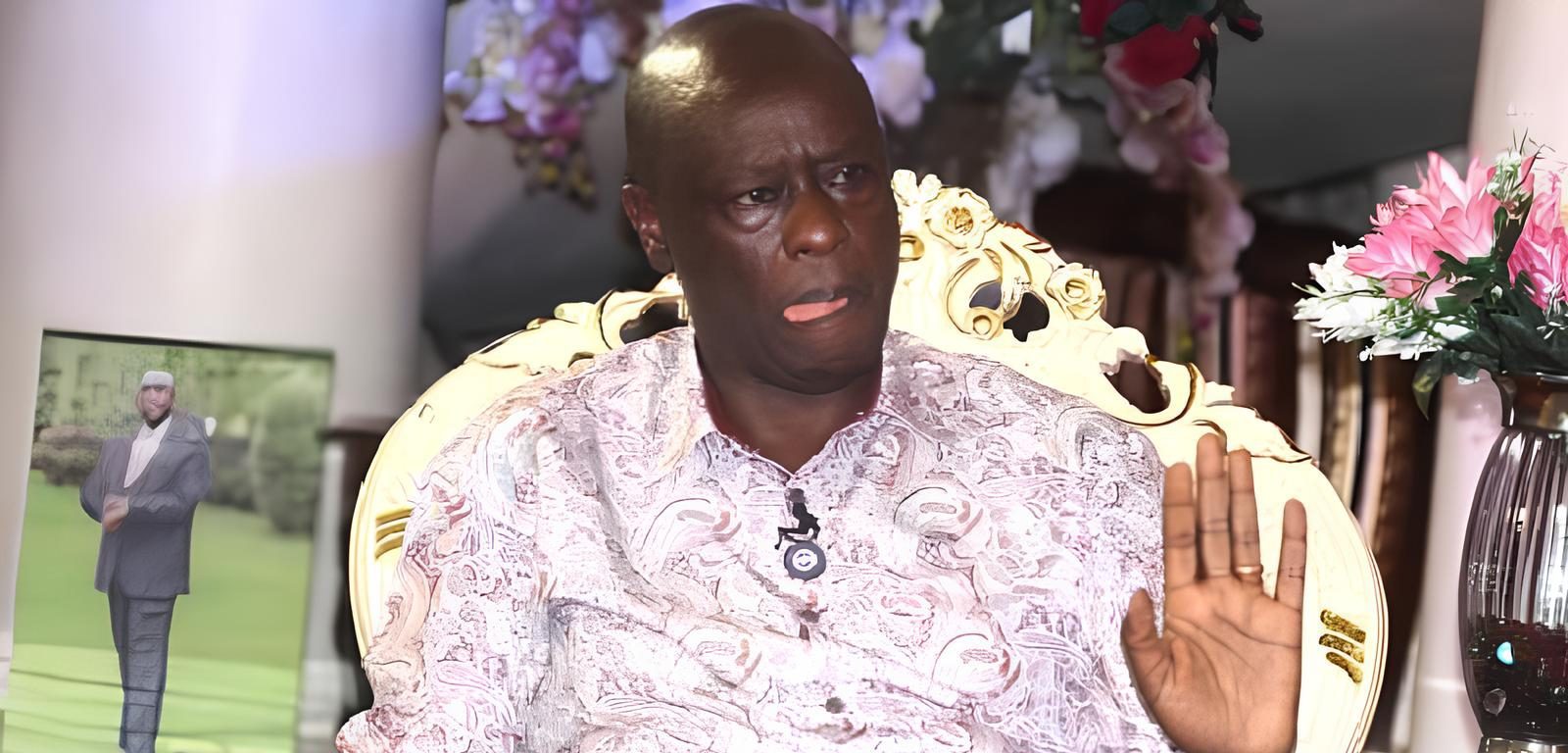
Former Deputy President Rigathi Gachagua has admitted having a heated moment when a young lady challenged him to stop being a tribal leader during his recent US tour.
Speaking to a local TV station on Tuesday, August 26, 2025, Gachagua, however, said he saluted the girl because being a democratic leader means accommodating divergent views.
He said his forums were not like President William Ruto’s, which he claimed were often organised as praise and worship sessions for leaders to sing his tune.
A forum that welcomed criticism
According to the Democracy for Citizens’ Party leader, his recent town hall meetings in the United States were deliberately designed to encourage open debate rather than blind agreement.
He insisted that leadership must allow space for questions, criticism and even outright opposition.
“My forums were not a praise and worship session. I did not want people to come and praise and worship me and agree with me 100%. I was pleased to have negative criticism,” he explained.
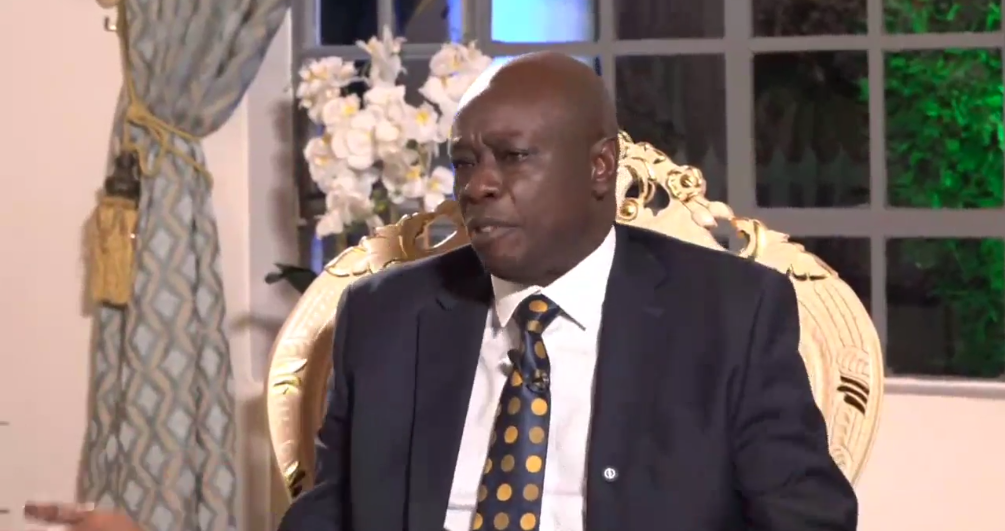
Gachagua said the encounter with the Gen Z girl reflected the boldness and honesty of young Kenyans abroad, adding that her concerns were valid.
He noted that his political mission is not to silence but to listen, even when the feedback is harsh.
Speaking to Kenyans in their own language
Gachagua further dismissed claims that his Boston meeting was exclusionary.
He explained that the forum was attended mostly by Kenyans from the Mt Kenya region, and he naturally addressed them in Kikuyu to ensure clarity and connection.
“Those people I met in Boston were from Mt Kenya, I speak their language, I had no business speaking to them in English because I was in Boston. The fact that I was in Boston did not make me English; I was still Kikuyu and they were all Kikuyus,” he said.
His remarks come amid continued accusations from rivals who have labelled him a tribalist. Gachagua’s account of embracing criticism, particularly from the Gen Z generation, appears aimed at countering that narrative and positioning himself as a leader open to dialogue.