Advertisement
Fuel subsidies plunge, but Kenyan prices stay high – Report reveals
24th August, 2025 10:47 AM
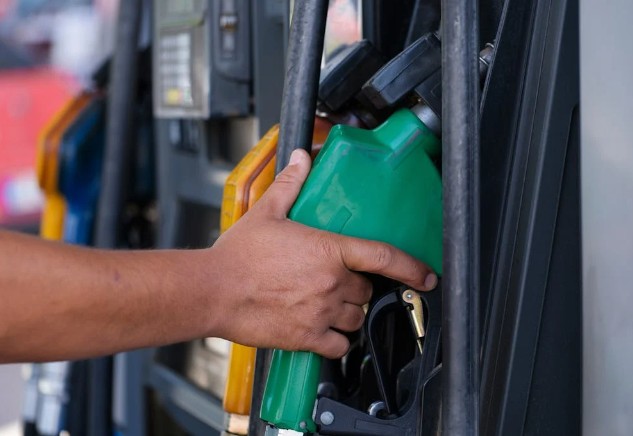
Kenyans are still reeling from high fuel prices at the pump, but new United Nations data shows that subsidies for fossil fuels in Africa dropped more sharply than anywhere else in the world in 2024.
The Sustainable Development Goals (SDG) Report 2025, released on Sunday, August 24, 2025, citing UN Environment Programme data, reveals that global fossil fuel subsidies fell by 34.5 per cent in 2023, while sub-Saharan Africa posted the steepest decline, with a 67 per cent reduction.
At first glance, the numbers suggest relief for governments and consumers. Yet in Nairobi, Mombasa and Kisumu, motorists continue to complain of pump prices hovering above Ksh200 per litre, raising the question: if subsidies are falling, why aren’t Kenyans feeling the difference?
“Fossil fuel subsidies decreased globally by 34.5 per cent in 2023, from Ksh195 trillion in 2022 to about Ksh130 billion in 2023. Sub-Saharan Africa recorded the sharpest decline at 67 per cent, reflecting fiscal constraints and changing energy policies,” the report states.
But the same report cautions that the decline hasn’t translated into cheaper energy for citizens.
“Despite reductions in subsidies, consumers in many regions continued to face high retail fuel prices due to currency depreciation, taxation, and global crude oil volatility,” it says.
For Kenya, the report rings true. The government has been rolling back costly subsidies, arguing that the money should be reallocated to development priorities. But households and businesses are left absorbing the shock, especially in the transport and manufacturing sectors.
The UN argue that Kenya’s fuel pricing structure explains why the sting persists. A litre of petrol is made up not only of crude oil costs but also a complex mix of taxes, levies, and forex adjustments.
“Roughly half of what Kenyans pay at the pump is tax and levies. When subsidies are withdrawn, there is no buffer, and global market swings are passed directly to consumers,” the SDG report explains.
The SDG report underscores this trade-off.
“Phasing out inefficient fossil-fuel subsidies is necessary for environmental sustainability, but must be accompanied by social protection and investments in clean alternatives to shield the poor,” it stresses.
What could Kenya do differently?
The report points to opportunities in redirecting savings from subsidy cuts.
“Reallocation of resources from fossil-fuel subsidies to public transport, clean cooking, and renewable energy can accelerate both social and environmental gains,” it notes.
For Kenya, that could mean investing in electric buses for Nairobi, expanding LPG access in rural areas, or supporting induction stoves to reduce reliance on charcoal.
The report comes as the world grapples with record emissions. The SDG report warns that while subsidy cuts are welcome, “global emissions remain at record highs, and reductions in subsidies have not yet translated into the scale of energy transition required.”
Kenya, which has pledged to cut its greenhouse gas emissions by 32 per cent by 2030, finds itself walking a tightrope between fiscal reality, consumer pain, and climate ambition.
“Ending inefficient fossil fuel subsidies is essential, but must be paired with equitable measures to protect livelihoods and accelerate the clean energy transition,” the report notes.