Advertisement
No ride to work: Matatu operators bring transport to halt as planned strike kicks off
18th May, 2026 07:17 AM

Nairobi woke up today to a familiar but always disruptive sound in the city’s transport ecosystem. Commuters heading into the Central Business District and surrounding areas were met with mixed signals as the nationwide transport sector strike called by matatu operators and allied stakeholders took effect this morning, threatening to paralyse movement across Kenya’s busiest urban routes.
The strike, which has been announced under the umbrella of the Transport Sector Alliance, brings together multiple players in the public transport ecosystem, including matatu owners, boda boda associations, taxi operators, and freight transport stakeholders. The alliance confirmed that the industrial action would begin at midnight on Monday, May 18, 2026, effectively grounding most public service vehicles across the country.
The Matatu Owners Association (MOA), led by chairman Albert Karakacha, has been at the centre of the announcement, pointing directly to rising fuel costs as the main trigger for the shutdown. In a widely circulated statement, Karakacha said operators had been pushed to the brink by what they describe as “unbearable operational costs,” especially following the latest fuel price adjustment by the Energy and Petroleum Regulatory Authority (EPRA).
“All transport network companies… are going to increase prices by 50% because we don’t have the mechanism. There will be strictly no movement of any vehicles,” he said.
On the ground this morning, Nairobi presented a picture of partial paralysis mixed with improvisation. Some commuters left home earlier than usual, others tried alternative routes, and several private motorists found themselves unexpectedly turned into unofficial matatu operators for neighbours and colleagues. Where public transport did operate, fares were reportedly higher than usual, reflecting early implementation of the proposed 50 per cent increment that operators had warned about.
“PUBLIC NOTICE! In view of the MATATU STRIKE slated for tomorrow, we will not be in operation. We shall communicate when services will resume. Thank you,” Super Metro said in their statement on Sunday, May 17, 2026.
Fuel prices
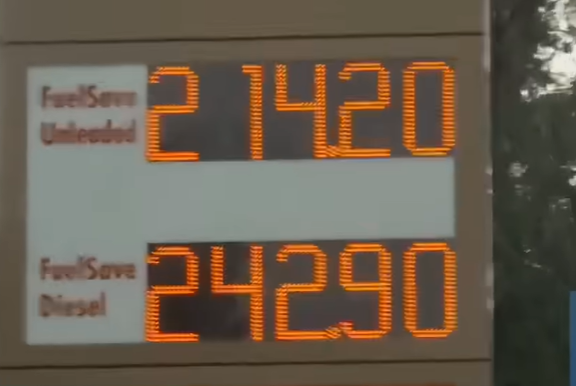
At the heart of the dispute is the recent surge in fuel prices, which EPRA revised upward in its latest pricing cycle released on May 14, 2026. Super Petrol in Nairobi increased by Ksh16.65 per litre to retail at Ksh214.25, while Diesel rose by Ksh46.29 per litre to retail at Ksh242.92. Kerosene remained unchanged at Ksh152.78 per litre. This sharp diesel increase in particular has been cited by transport operators as the most damaging, given that most matatus and freight vehicles rely heavily on diesel consumption for daily operations.
The Transport Sector Alliance, which includes groups such as the Matatu Owners Association, Motorist Association of Kenya, truckers, and digital taxi operators, has maintained that the strike is not just about profit margins but survival. In their joint statement, they argued that the rising fuel prices have cascaded into higher living costs for ordinary Kenyans, affecting food prices, electricity costs, and general affordability. They described the situation as a shared crisis, insisting that the ordinary mwananchi is the ultimate victim of high fuel prices.
Some of the more hardline demands from the alliance go beyond fare adjustments. They are calling for the reversal of recent fuel price increases, restructuring of fuel regulation authorities, and broader reforms in petroleum pricing mechanisms. In a more radical tone, parts of the coalition have even demanded institutional changes within the energy regulatory system, arguing that the current structure has failed to stabilise prices.