Advertisement
Fred Ogola: Raila’s bold vision shaped Kenya’s progress
20th October, 2025 09:05 AM

Economist and Human rights activist Fred Ogola has hailed the late ODM leader Raila Odinga as a transformative leader whose legacy is only fully appreciated in hindsight.
In an interview on a local TV station on Monday, October 20, 2025, Ogola maintained that many Kenyans often came to understand Raila’s significance after reaping the benefits of the causes he championed.
Also Watch: Natembeya honours Raila with cows and tribute at Bondo
“People often understood Raila Odinga only after they had benefited from what he fought for. Many didn’t grasp his vision at the time, yet he championed the 2010 Constitution and devolution. He had a bold vision and was a great political asset,” he noted.
“Raila had a vision. He wasn’t just a political player; he was a political asset. He made others into leaders, not just politicians.”
Importantly, Ogola pointed to key moments in Odinga’s political journey, particularly his stance on the 2010 Constitution. Initially opposing the draft in the 2005 referendum under the Orange banner, Raila would later support the final version that ushered in Kenya’s devolved system of governance.
“People thought Raila was just fighting for power. But when the 2010 Constitution came in, and he accepted it, they said, ‘Oh, so this is what he was fighting for,’” he remarked.
The late Prime Minister passed on at the age of 80 and was buried in his ancestral home in Kang’o Ka Jaramogi, Bondo, Siaya County.
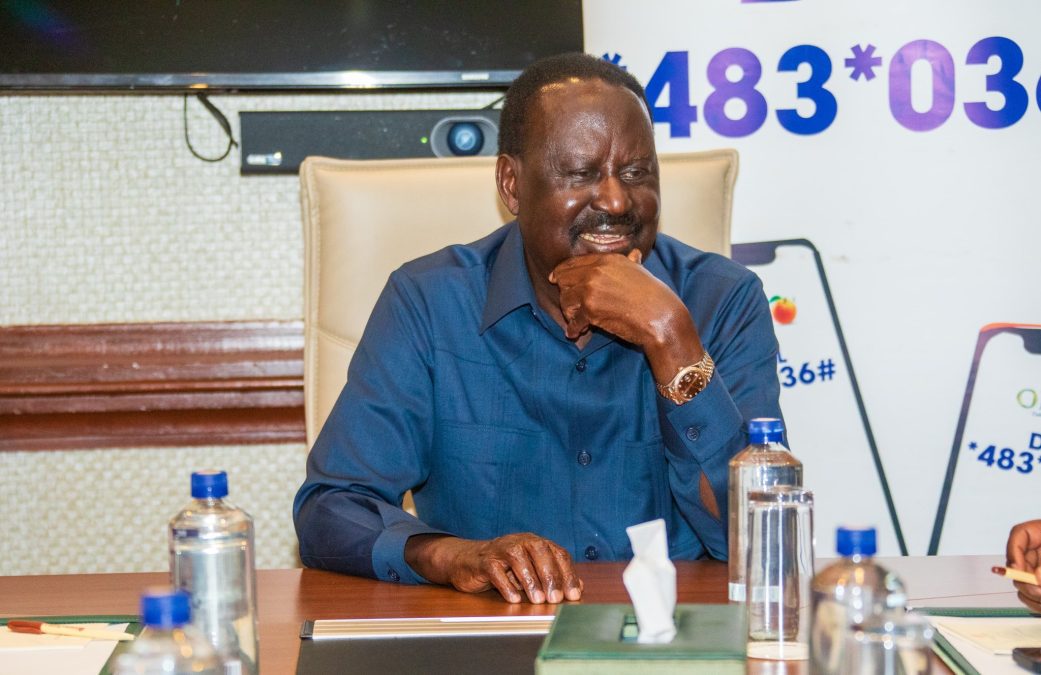
Raila’s devolution
Critically, Ogola lamented how current political discourse often overlooks Odinga’s monumental role in birthing devolution, one of the most transformative aspects of governance today.
“When you listen to all those long eulogies from yesterday, something is missing. None of them talked about devolution. Most of those leaders who became prominent under devolution forgot the very system that gave them a voice,” he observed.
His remarks come at a time of renewed national introspection, as Kenyans grapple with the legacies of past and present leaders. His reflections underscore the need to critically assess the long-term impact of leadership, not just in terms of elections won or lost, but by the enduring institutions and policies leaders leave behind.
“Those who play, make it. Those who present make it. Raila did both,” he said.