Advertisement
Amisi: Let Saba Saba mark end of police brutality
06th July, 2025 10:51 PM

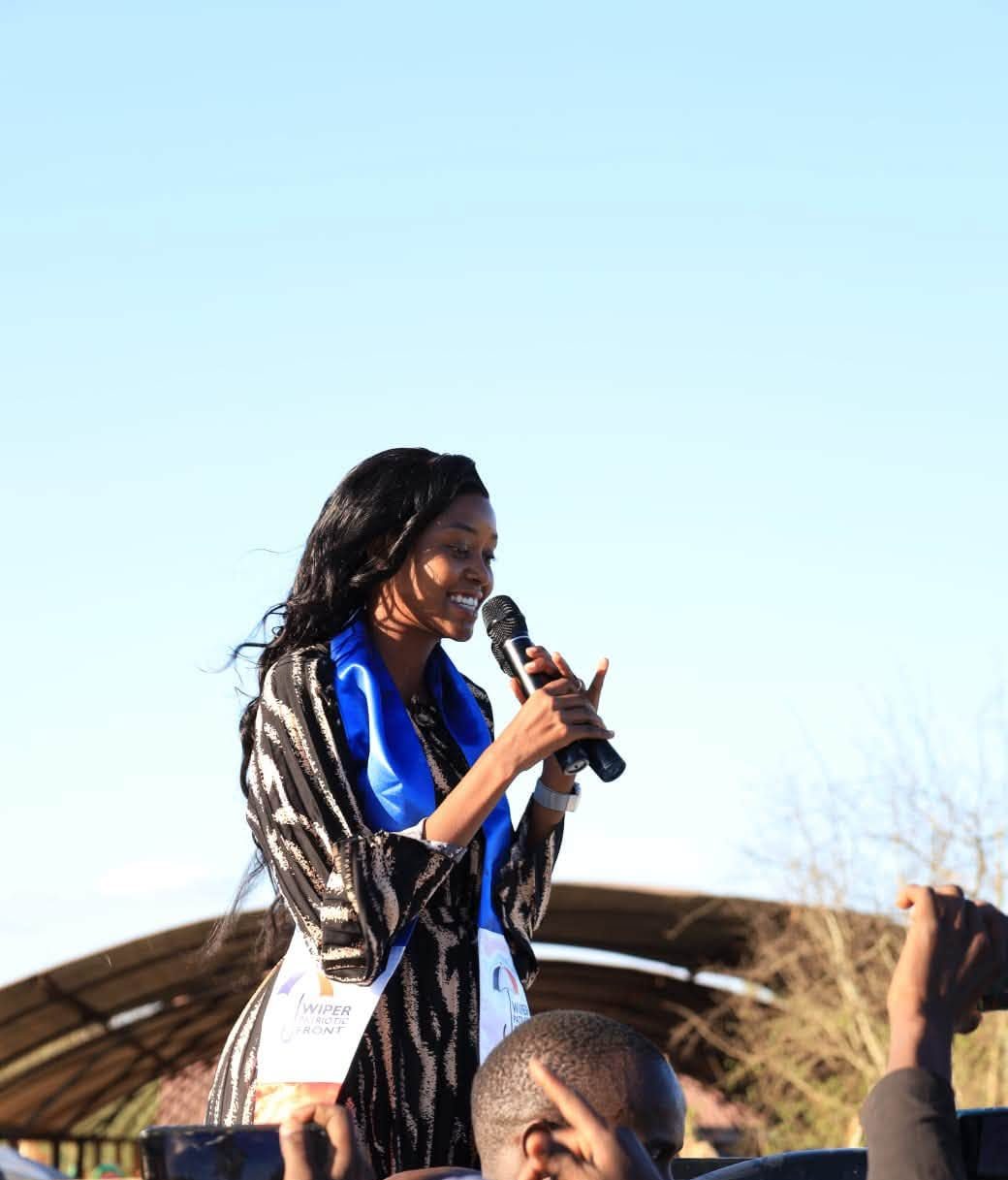
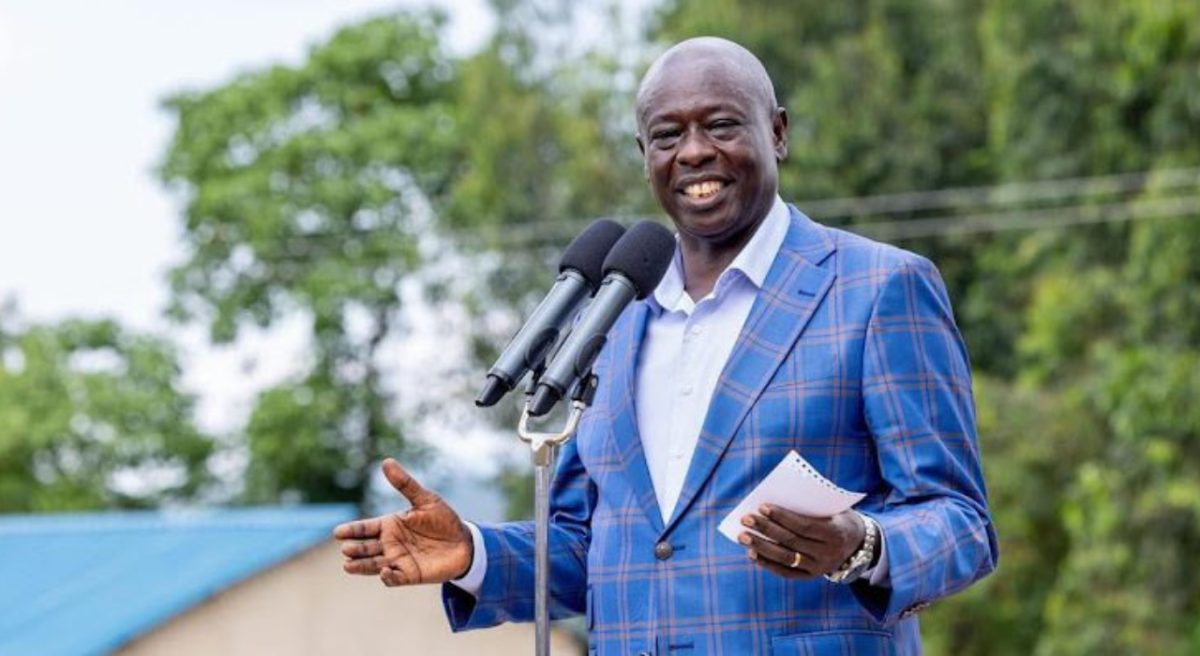
Saboti MP Caleb Amisi has called on the government to bring an end to police brutality ahead of the planned Saba Saba protests, emphasising that this year’s commemoration should serve as a turning point in the country’s struggle for justice and accountability.
In a message shared on his X account on Sunday, July 6, 2025, Amisi underscored the historical significance of Saba Saba, describing it as a day set aside to honour Kenyans who lost their lives while resisting oppression and demanding a better future.
He noted with concern the high number of young people who have died in recent weeks during demonstrations, saying it represents one of the most tragic periods in the country’s history of agitation for change.
Amisi stressed that there should be no incidents of police violence during the upcoming protests, insisting that ensuring the safety of citizens exercising their constitutional rights is a reasonable and just expectation.
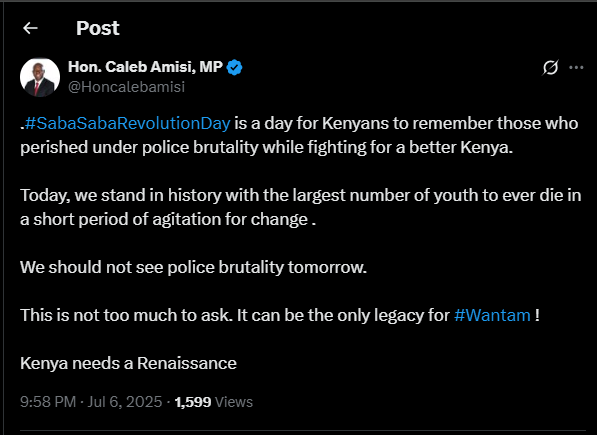
“#SabaSabaRevolutionDay is a day for Kenyans to remember those who perished under police brutality while fighting for a better Kenya. Today, we stand in history with the largest number of youth to ever die in a short period of agitation for change,” Amisi stated.
Adding;
“We should not see police brutality tomorrow. This is not too much to ask. It can be the only legacy for #Wantam! Kenya needs a Renaissance.”
Police killings
His remarks come amid mounting public anger following a string of violent incidents involving the police.
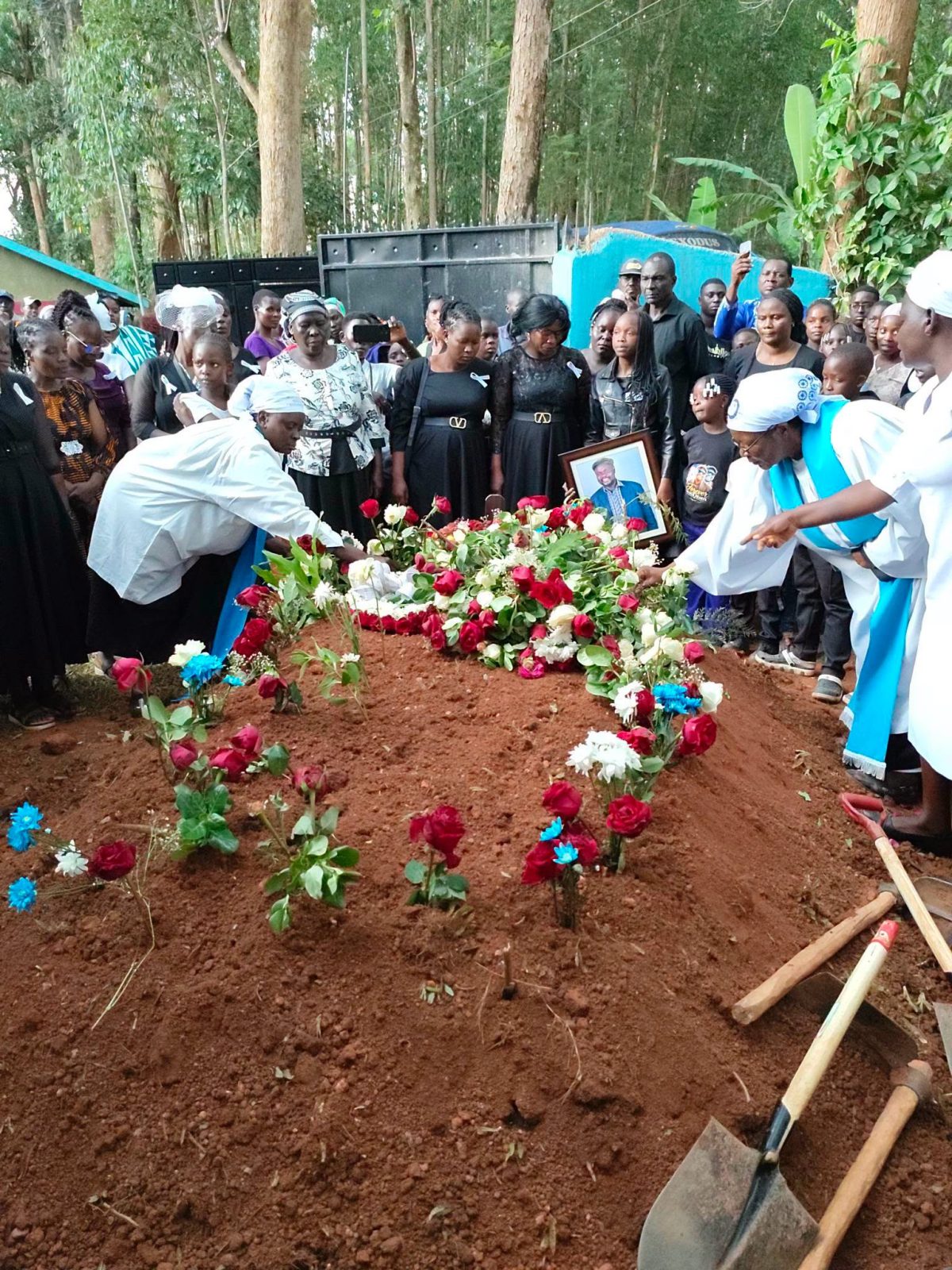
One of the most recent cases is the death of 31-year-old teacher and blogger Albert Ojwang. He died while in custody at Central Police Station in Nairobi on June 8, just two days after being arrested in Homa Bay County for allegedly defaming Deputy Inspector General Eliud Lagat.
When his body was found, it had visible signs of torture, including a broken jaw. Although police initially claimed he had taken his own life, an independent postmortem report confirmed the injuries were consistent with physical abuse and torture.
Ojwang’s death sparked countrywide protests, with demonstrators demanding justice and accountability from the police.

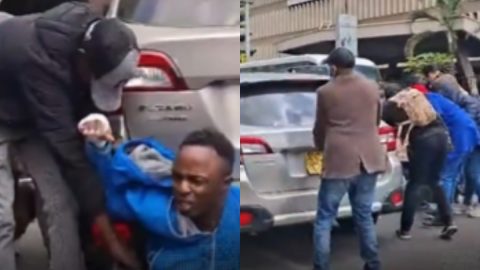
Just over a week later, on June 17, 22-year-old street vendor Boniface Kariuki was shot in the head during a protest in Nairobi. Footage from the scene showed him walking away peacefully before an officer opened fire. The incident fueled further outrage.
The situation worsened on June 25, 2025, when at least 19 people were killed during a protest in Nairobi and other towns. Police opened live fire on unarmed demonstrators who were demanding justice for victims of state violence. Several of those killed were young people. Dozens more were wounded, with many still recovering in hospitals.
These cases add to a growing list of police violence incidents. In June 2024, at least 19 people were killed and over 200 were injured during protests against the Finance Bill.
The Independent Policing Oversight Authority (IPOA) says more than 20 people have died in police custody in just the past four months alone.
The Kenya National Commission on Human Rights (KNCHR) has also raised concerns over false or misleading police statements, especially in high-profile cases like Ojwang’s.