African leaders make bold move day after Ruto criticised global credit ratings
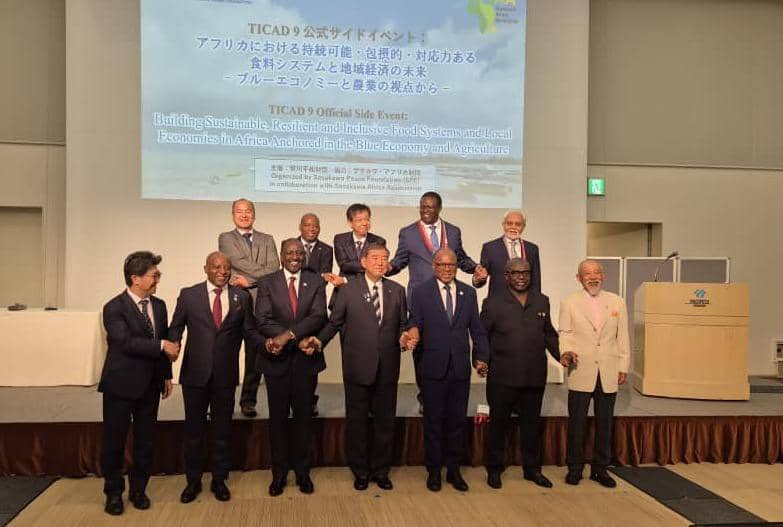
The Ninth Tokyo International Conference on African Development (TICAD9) has concluded with African and global leaders committing to a transformative agenda for the continent, anchored in economic growth, resilient societies, and sustainable peace, all aligned with the African Union’s Agenda 2063.
In a declaration on Friday, August 22, 2025, issued at the close of the summit, held under the theme Advancing Africa’s Transformation, participants pledged to deepen partnerships and prioritise Africa-led development strategies across sectors, with the issue of the establishment of the African Credit Rating Agency (AfCRA) dominating the declaration.
You might also like


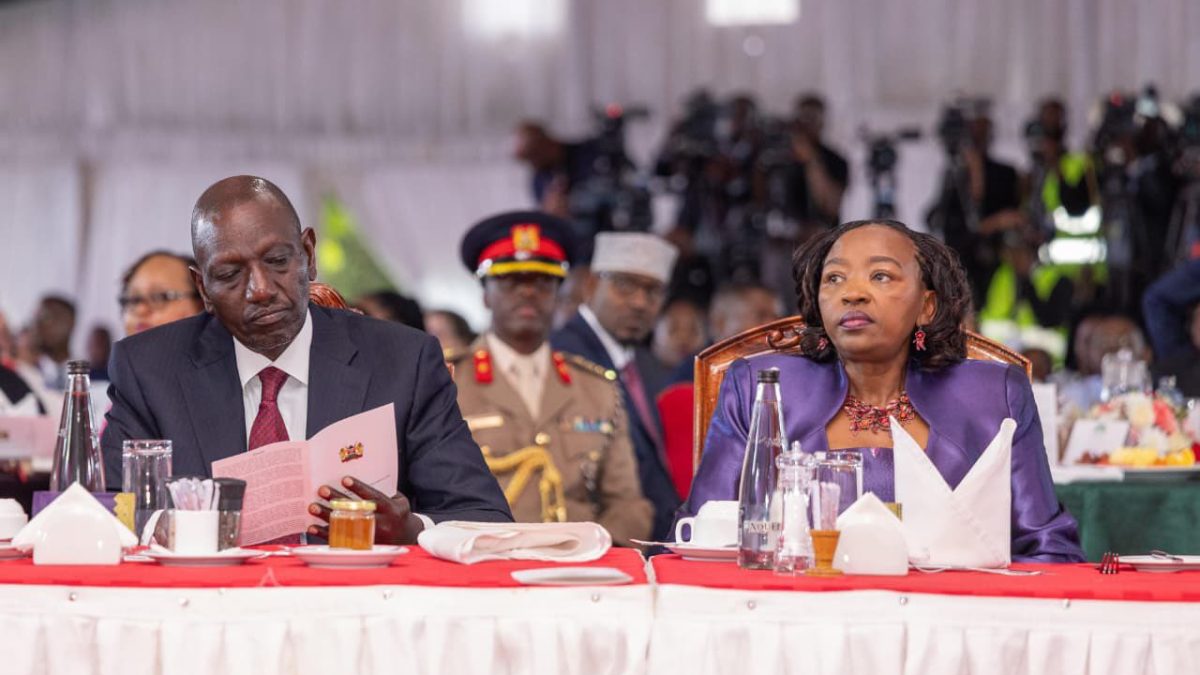
“We are committed to fairer global credit practices. Outdated rating systems have long undermined African countries’ ability to access affordable financing,” the AU declaration read.
Ruto’s call
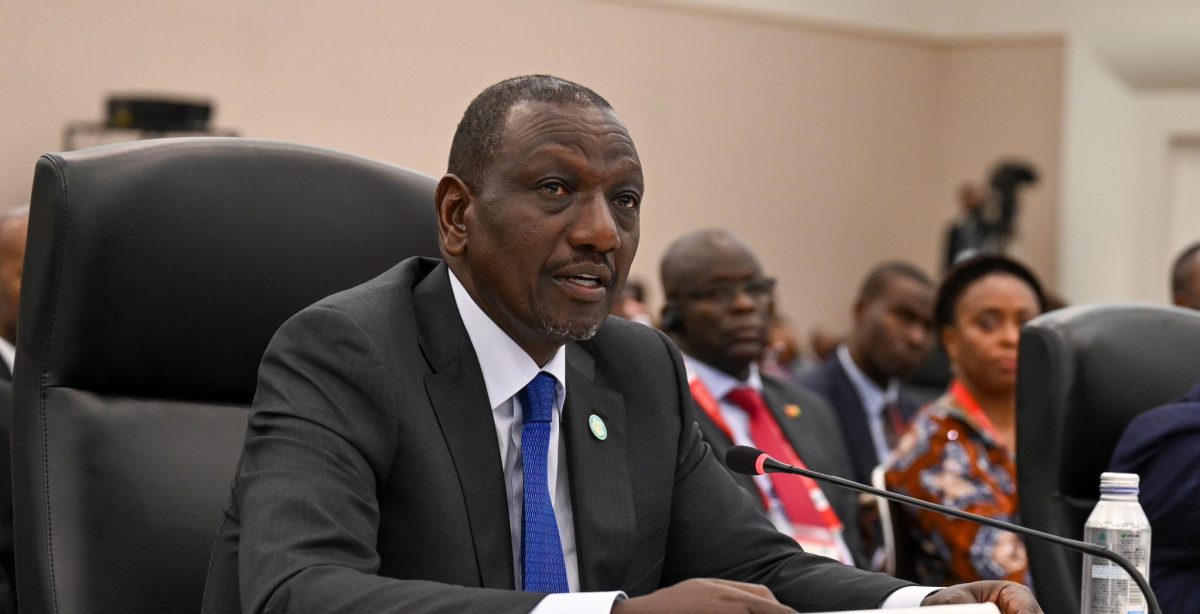
On Thursday, August 21, 2025, President William Ruto criticised the global credit rating systems and called for a complete overhaul.
“The current global credit rating system often overlooks Africa’s realities, unfairly penalising our countries during periods of global distress. This must change,” Ruto stated.
He urged delegates to support progressive reforms that would unlock predictable and sustainable development financing.
Other resolutions
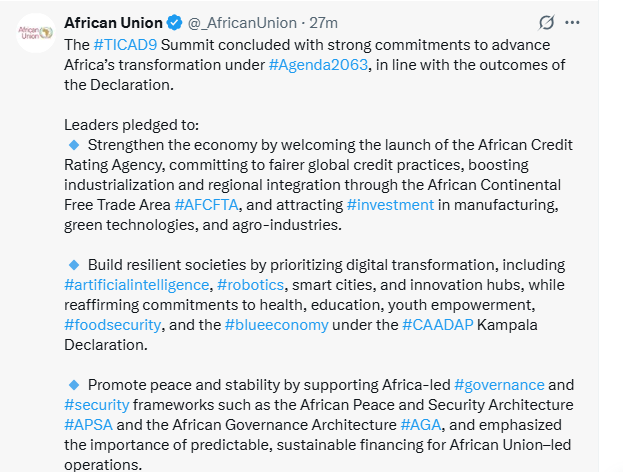
Central to the summit’s resolutions was a strong call for economic reform and a fairer global credit environment for African nations. Leaders welcomed the launch of the African Credit Rating Agency, a new institution designed to counterbalance traditional rating agencies and provide more accurate, context-sensitive assessments of African economies.
Leaders also recommitted to accelerating industrialisation and regional economic integration through the African Continental Free Trade Area (AfCFTA), the largest free trade zone in the world by number of countries.
“We will boost industrialisation and regional integration through AfCFTA while attracting investment in manufacturing, green technologies, and agro-industries,” the declaration stated.
The emphasis on green technologies signals a deliberate shift toward environmentally sustainable development, with nations encouraged to tap into renewable energy and climate-smart solutions to fuel economic growth.
Innovation and inclusivity
With a clear focus on building societies that can withstand future shocks, from pandemics to climate change, the TICAD9 Declaration placed a high premium on digital transformation.
Leaders pledged to advance the adoption of emerging technologies such as artificial intelligence, robotics, smart cities, and innovation hubs, arguing these are essential to leapfrogging development barriers.
“Digital transformation will be prioritised, including AI, robotics, and innovation-driven urban planning,” the AU noted.
The declaration also reaffirmed commitments to universal access to healthcare, quality education, and youth empowerment, recognising Africa’s rapidly growing youth population as both a challenge and an immense opportunity.
The summit placed food security and the blue economy, sustainable use of ocean and water resources, at the heart of the continent’s development agenda, citing the CAADP Kampala Declaration as a guiding framework.
“We remain fully committed to health, education, youth empowerment, food security, and the blue economy,” the statement affirmed.
Peace and security
Stability was another major theme, with TICAD9 leaders pledging continued support for Africa-led peace and governance mechanisms. The summit reaffirmed commitment to the African Peace and Security Architecture (APSA) and the African Governance Architecture (AGA), both of which are designed to provide homegrown solutions to the continent’s challenges.
“We support Africa-led governance and security frameworks, and emphasise the importance of predictable, sustainable financing for African Union-led operations,” the declaration read.
The call for sustainable financing reflects a growing frustration with inconsistent donor support for AU peacekeeping and governance missions. Leaders urged international partners to match Africa’s contributions with long-term, reliable funding.
TICAD9’s closing declaration reflects a growing confidence among African nations to take ownership of their development path, while calling on global partners to support Africa on more equitable terms.
All initiatives outlined were underscored by the African Union’s Agenda 2063, the continent’s strategic framework for inclusive and sustainable development over the next four decades.
As the continent grapples with both longstanding and emerging challenges, the TICAD9 commitments offer a roadmap for how Africa can harness its people, resources, and partnerships to drive lasting transformation.