Advertisement
Yoane Wissa’s ‘Fimbu’ celebration: Congolese history behind famous whipping dance
30th August, 2026 10:58 AM
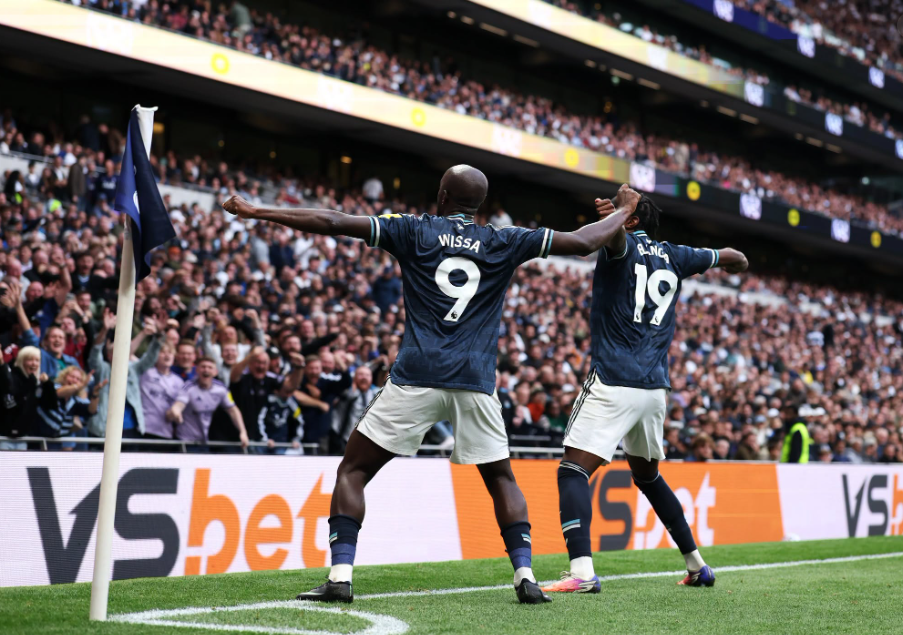
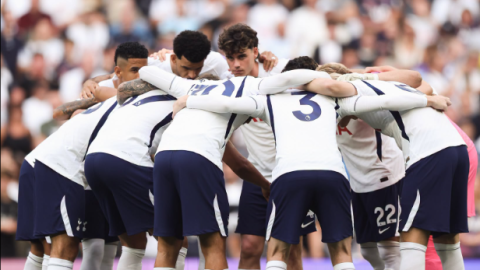
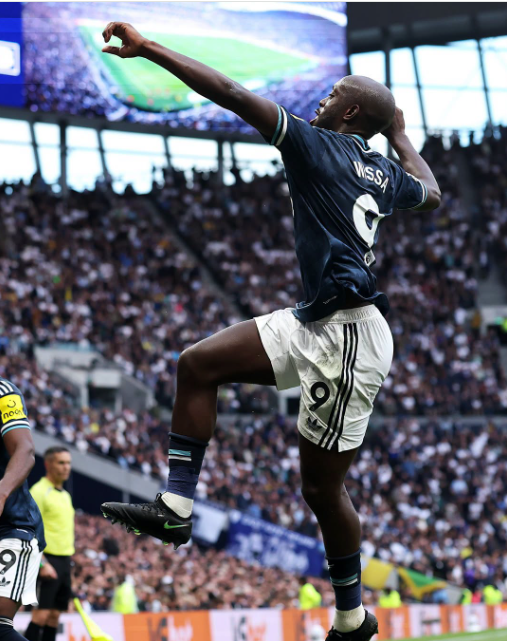
Yoane Wissa once again brought a piece of Congolese culture to the Premier League on Saturday, August 29, 2026, when he celebrated Newcastle United’s second goal against Tottenham Hotspur with his trademark “Fimbu” dance.
But while the celebration has become instantly recognisable whenever Wissa scores, the gesture has a much deeper story than a simple goal celebration.
What does ‘Fimbu’ mean?
“Fimbu” is a Lingala word meaning “whip” or “chicotte.” The celebration involves players standing together, extending one arm while repeatedly moving the other arm downwards, creating the appearance of wielding an imaginary whip.
The movement became closely associated with the Democratic Republic of Congo’s national football team, the Leopards, after being inspired by Congolese musician Félix Wazekwa and his song Fimbu.
The song was released in 2015, and Wazekwa explained at the time that it was intended to address issues including impunity and violence against women.
That gives the dance an important historical layer. The word “fimbu” refers to a type of whip that was associated with corporal punishment during the Belgian colonial period in Congo. Although that history carries painful connotations, the dance was subsequently transformed into a lively cultural and sporting celebration.
How football adopted the dance
The song quickly became popular in Congo, with its choreography spreading from entertainment venues into football grounds.
The Leopards embraced the celebration around the 2016 African Nations Championship (CHAN) in Rwanda. DR Congo went on to win that tournament, helping establish Fimbu as one of the team’s defining celebrations.
Its popularity exploded at the 2017 Africa Cup of Nations in Gabon, where DR Congo players performed Fimbu after each of their seven goals in the tournament. Players such as Cédric Bakambu and Firmin Mubele also helped take the celebration beyond the national team.
The dance therefore became much more than an individual player’s trademark. It developed into a recognisable symbol of Congolese football and national identity.
Wissa takes Fimbu onto the world stage
Wissa has become one of the most prominent modern ambassadors of the celebration.
That was particularly evident at the 2026 FIFA World Cup, when DR Congo returned to football’s biggest stage for the first time since 1974. Wissa scored the country’s historic first World Cup goal against Portugal, heading in the equaliser in a 1-1 draw. The Congolese players then performed Fimbu together.
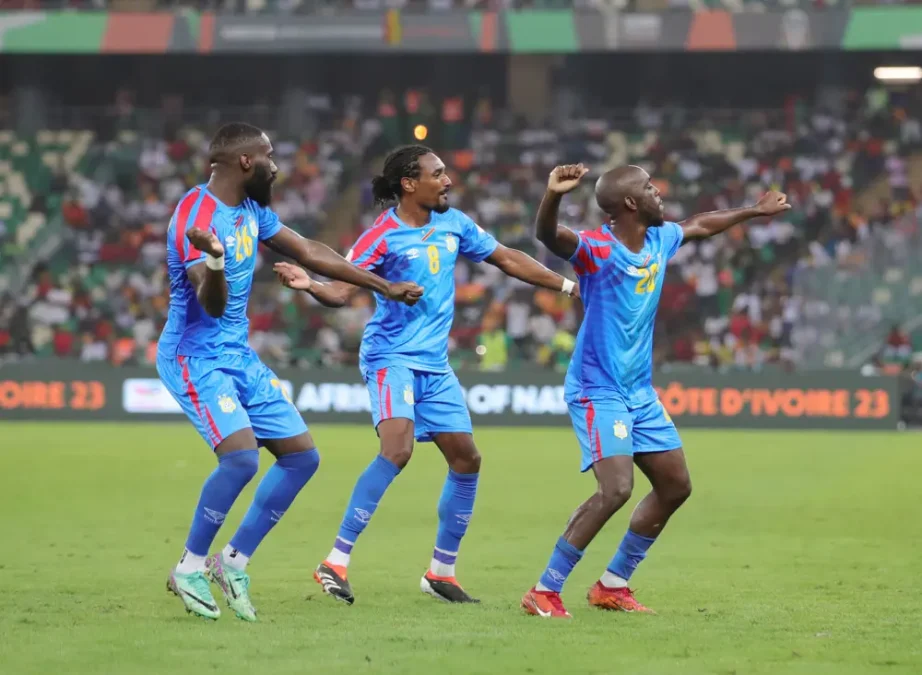
The moment gave millions of viewers around the world their first major exposure to the Congolese celebration.
It was especially significant because Wissa’s goal was not merely a personal milestone. It was DR Congo’s first goal and first point at a World Cup, making the celebration part of one of the most important moments in the country’s football history.
DR Congo subsequently continued using Fimbu during its memorable World Cup campaign, including celebrations after goals against Uzbekistan as the Leopards progressed to the knockout stage.
From the Leopards to Newcastle
Wissa has also carried the celebration into club football.
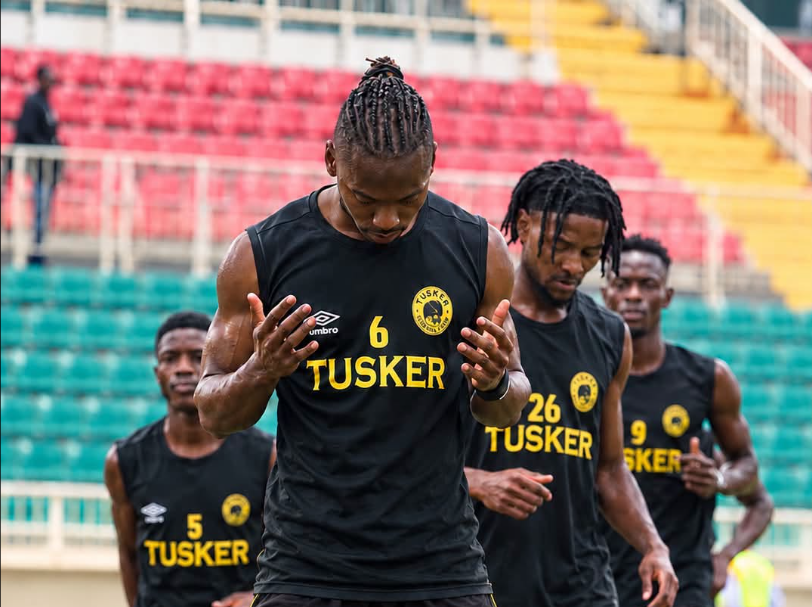
In August, the Fimbu dance even appeared during a Newcastle United training session, demonstrating how the celebration associated with Congolese football has begun to cross cultural and club boundaries.
Then came Saturday’s Premier League meeting with Tottenham.
After Newcastle doubled their advantage, Wissa joined Elanga in performing the familiar whipping motion. It was another reminder that for Wissa, scoring is an opportunity not only to celebrate but also to showcase part of his Congolese heritage.
The celebration has consequently travelled an extraordinary distance, from a Congolese song released in 2015, to the Leopards’ celebrations at CHAN 2016 and AFCON 2017, then onto the biggest international stage at the 2026 World Cup and now into the Premier League with Newcastle.
More than just a celebration
Fimbu’s history is particularly fascinating because its meaning has evolved.
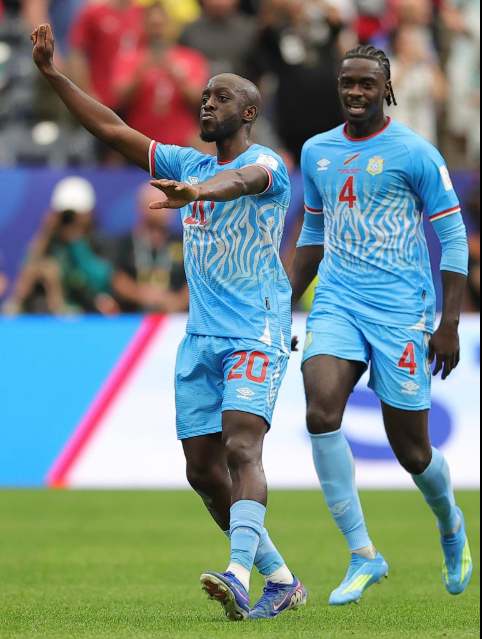
The whip carries a difficult historical association with colonial-era punishment, while Wazekwa’s original song used the imagery in a broader message against wrongdoing. Football subsequently transformed the gesture into something energetic, communal and celebratory.
Wazekwa himself described the dance as a way of expressing the joy of winning, while Congolese football officials have previously stressed that its purpose is entertainment rather than hostility towards opponents.
That evolution explains why Wissa’s celebration resonates so strongly.
When the Newcastle forward raises his arm and performs the familiar motion after finding the net, he is doing more than producing another viral football moment. He is carrying a piece of Congolese music, football culture and identity onto pitches around the world.
And after his latest goal against Tottenham, the Fimbu once again had its place in the spotlight.