Advertisement
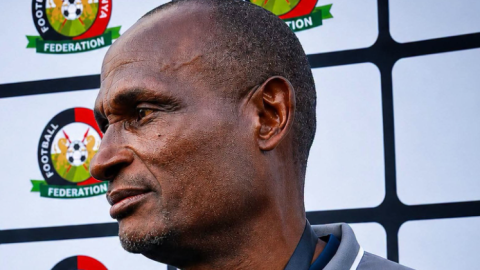
Tusker skipper Abud Omar sounds alarm as Kenyan Premier League stalemate deepens
19th September, 2026 11:11 AM

Tusker FC captain Abud Omar has voiced his frustration over the latest disruption to the Kenyan Premier League, warning that repeated uncertainty over the domestic competition risks holding back the country’s football development at a time when Kenya is preparing for the 2027 Africa Cup of Nations.
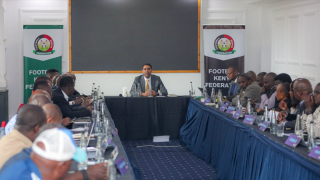
Omar’s comments came after Football Kenya Federation (FKF) postponed the start of the 2026/27 FKF Premier League on Saturday, September 19, 2026, hours before the opening fixtures were due to be played.
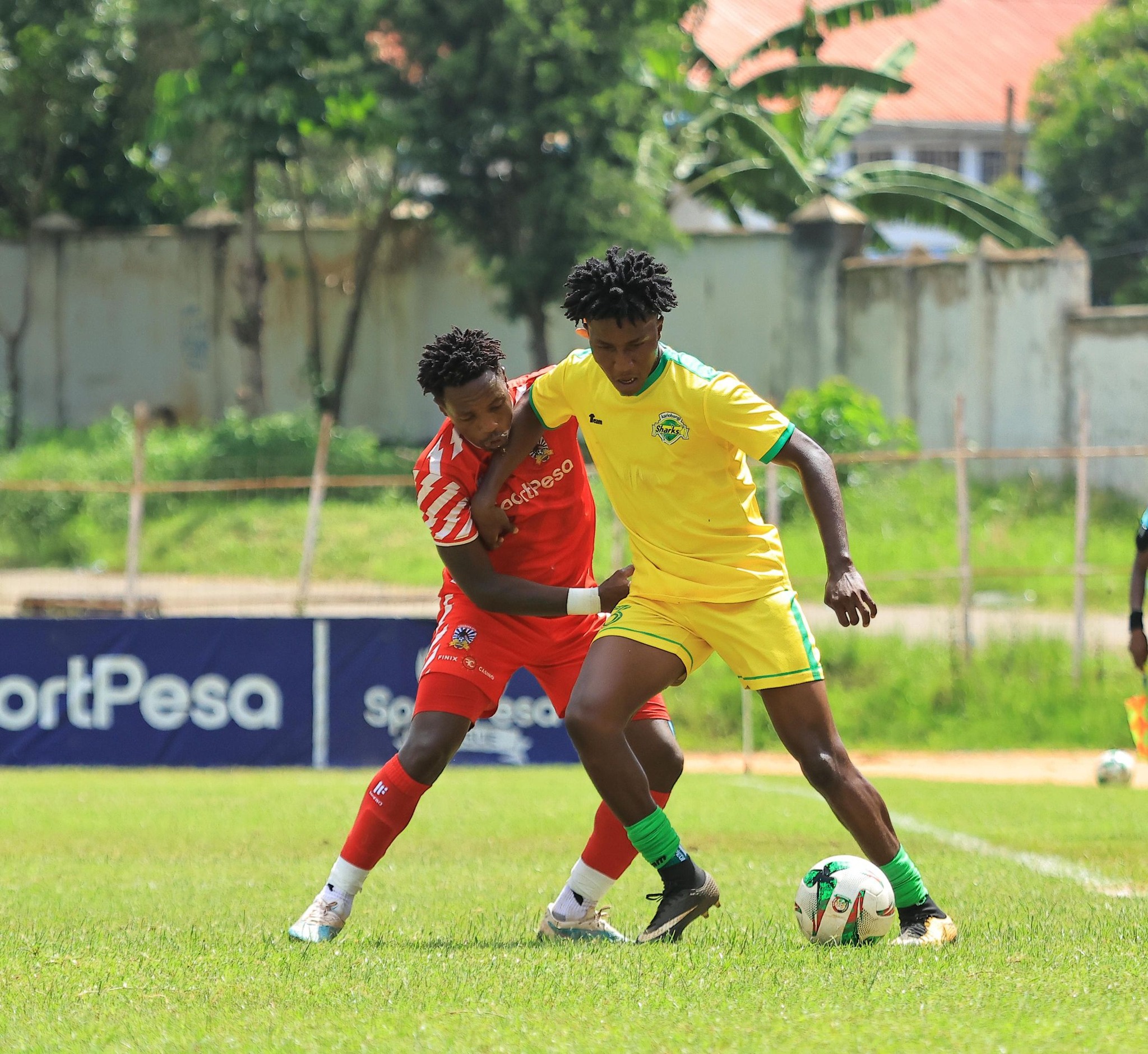
The latest postponement followed a fresh High Court order in Murang’a directing that the new season should not begin before a promotion-relegation playoff involving Kariobangi Sharks and Mombasa United. The ruling has added another twist to a dispute that has already delayed the campaign and placed FKF in a difficult position.
The crisis centres largely on which promotion and relegation regulations should govern the competition. Kariobangi Sharks were relegated under the 2025 FKF regulations, while Mombasa United’s promotion has also become part of the legal battle. A separate High Court order in Kiambu directed FKF to include Mombasa United as the 18th team, creating conflicting court directions on the eve of the planned kickoff.
FKF had appeared to have cleared the latest hurdle earlier in the week after reaching an understanding with Premier League club officials. On September 16, FKF president Hussein Mohammed said the federation and clubs had agreed on key issues and expected the season to begin on September 19.
That agreement, however, lasted only days before the latest court order forced another postponement.
For Omar, the situation is symptomatic of a much larger problem.
“10 years ago, the Kenyan Premier League was among the better leagues in Africa. We were ranked around the top 20 on the continent, and a big part of that was proper management and the professional standards that came with SuperSport,” he said.
The league did have a significant broadcasting relationship with SuperSport during that period, including a five-year extension announced in December 2014.
Omar believes Kenya’s neighbours have subsequently made greater strides in areas such as league administration, infrastructure and professionalism.
“But look at where we are today. Many of our neighbouring countries have moved ahead of us because they have invested in better management, infrastructure and professionalism, while our league continues to struggle,” he added.
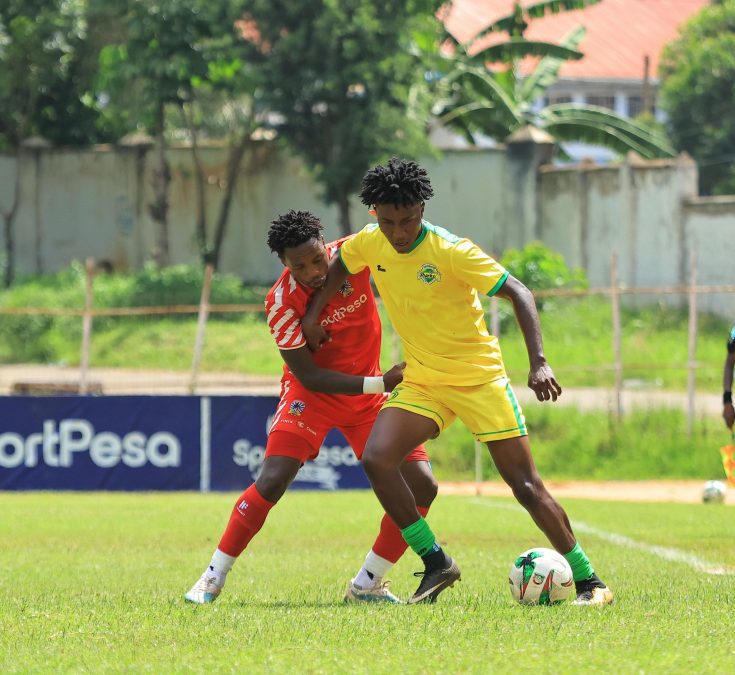
The immediate concern for players is the loss of competitive football. With the league once again unable to begin as planned, clubs face further disruption to preparations while players attempt to maintain match fitness through training and other competitions.
“I’ve just woken up to the news that the league has been cancelled again, and honestly, it’s so frustrating. We have continental competitions and national team games coming up. How are we supposed to compete at the highest level when we don’t have enough competitive matches to maintain our fitness and sharpness?” Omar said.
His concerns come at a particularly important moment for Kenyan football. Tusker are currently involved in continental competition and have advanced to the final preliminary round of the CAF Confederation Cup, where they will face Tanzania’s Singida Black Stars for a place in the group stage. CAF has also highlighted the importance of Kenyan clubs gaining continental exposure ahead of next year’s AFCON.

At national-team level, Kenya is also entering the opening phase of the 2027 AFCON qualification campaign. Harambee Stars are scheduled to host Eritrea on September 26 before travelling to face Guinea on October 1, despite Kenya already having automatic qualification as one of the three tournament co-hosts.
The timing makes the domestic impasse particularly significant. Kenya, Tanzania and Uganda will jointly host AFCON from June 19 to July 17, 2027, with CAF describing the tournament as a major opportunity for East African football.
Omar believes the issue therefore goes beyond whether matches are played this weekend.
“Other countries are moving forward and doing everything they can to improve their leagues, while we seem to be going backwards.”
“And with Kenya preparing to co-host AFCON next year, this is really worrying. We need to get serious about our football. Our players, clubs and fans deserve a properly organised, professional and competitive league.”
“This is not just about today’s fixtures. It’s about the future of Kenyan football. ” He said.