Advertisement
World Vulture Day: 4 facts about Kenya’s 8 vulture species and why they matter
05th September, 2026 01:01 PM
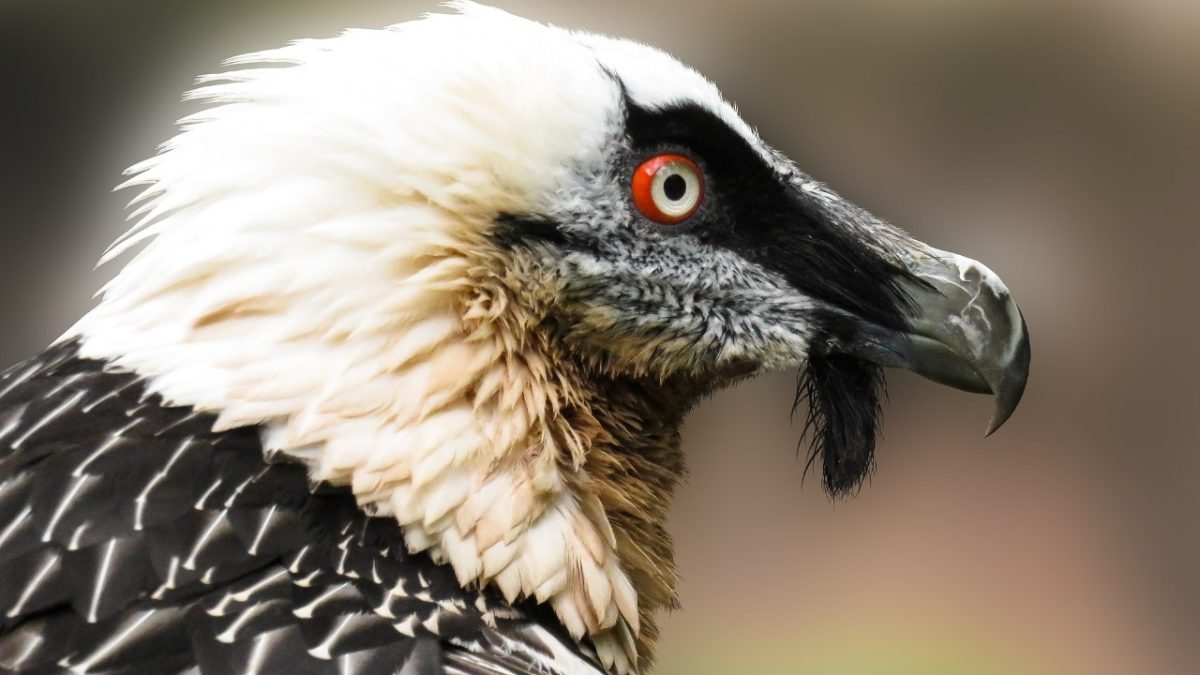
As Kenya marks International Vulture Awareness Day on September 5, 2026, conservationists are highlighting the indispensable role played by the country’s wildlife clean-up crew.
Often misunderstood, vultures keep natural landscapes clean and prevent the spread of lethal diseases.
“Vultures play a vital role in keeping our ecosystems healthy,” KWS said in a post on X. The agency explained that vultures clear carcasses fast enough to stop harmful bacteria multiplying and spreading disease.
Here are 4 facts about the birds.
1. Kenya is home to eight species
Kenya is home to eight species of vultures: the White-headed, Rüppell’s, White-backed, Egyptian, Bearded, Lappet-faced, Palm-nut and Hooded vultures.
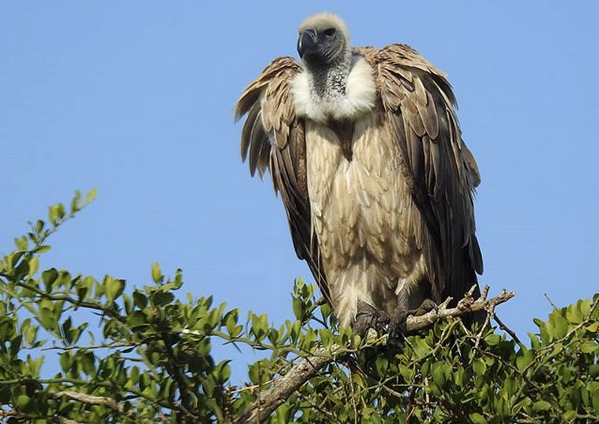
Most look alike from a distance, bald heads and broad wings built for soaring, but their habits differ. The Palm-nut Vulture barely touches meat, feeding mostly on palm fruit.
The Bearded Vulture goes the other way entirely, living almost exclusively on bone marrow, which it swallows whole or drops from height to crack open.
2. Four species are staring at extinction
The White-headed, Rüppell’s, White-backed and Hooded vultures are all Critically Endangered, the highest risk category on the IUCN Red List, one step from extinction in the wild.
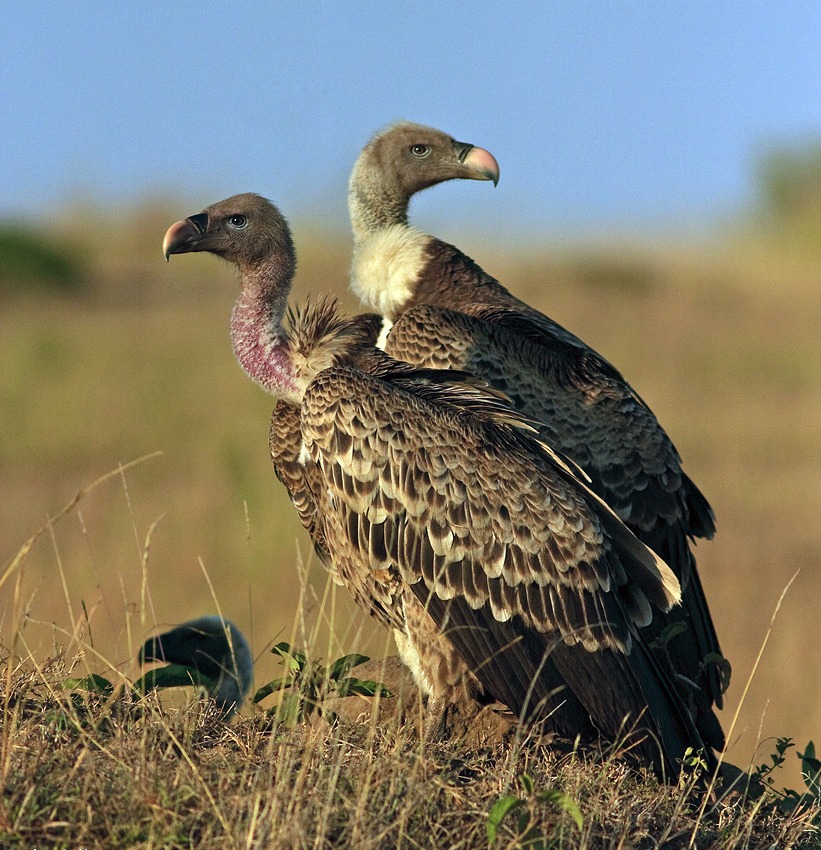
The Egyptian and Lappet-faced vultures are listed as Endangered, and the Bearded Vulture as Near Threatened.
Only the Palm-nut Vulture remains of Least Concern, largely because its plant-based diet keeps it away from poisoned carcasses.
3. Poisoning is the biggest threat
KWS named the dangers facing vultures: “poisoning, habitat loss and degradation, collisions with energy infrastructure and electrocution from power lines.”
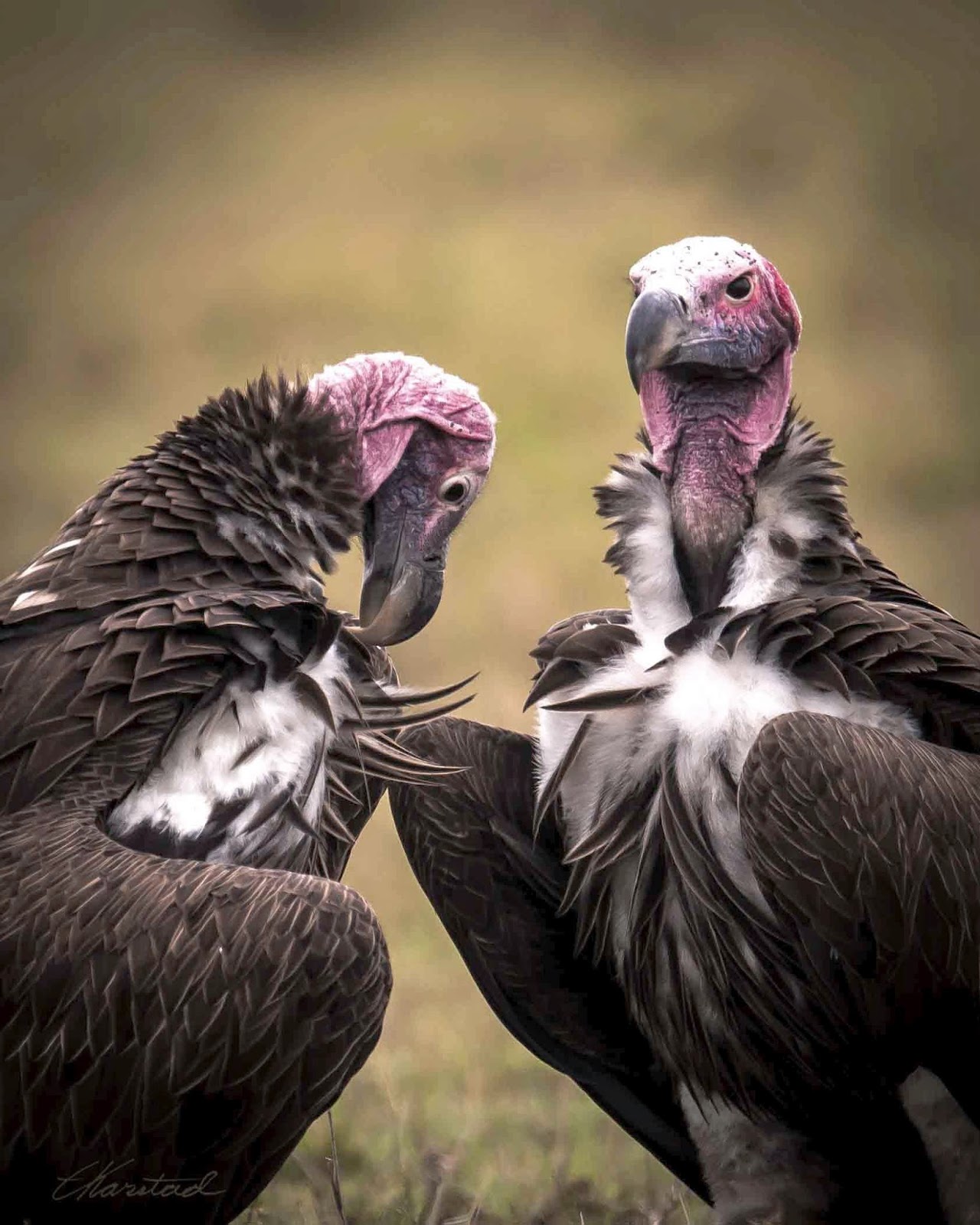
Research backs this up. A 2016 study in the journal Conservation Letters found that poisoning and the trade in vulture parts for traditional medicine “accounted for 90% of reported deaths” among Africa’s vultures, with populations of the eight species assessed falling by an average of 62 percent.
4. Their disappearance affects more than birds
A widely cited paper in the Annals of the New York Academy of Sciences described vultures as “nature’s most successful scavengers,” pointing to their soaring flight, sharp eyesight and highly acidic stomachs, adaptations no other scavenger has.
Without vultures clearing a carcass within hours, it can rot for days, drawing rats, feral dogs and other scavengers that carry diseases capable of jumping to livestock and people.
KWS is encouraging Kenyans to support conservation efforts and safeguard the habitats these birds depend on, and to look out for them on their next visit to a national park or reserve.