Advertisement
WMO warns of strong El Niño as global temperatures rise
01st August, 2026 11:17 AM
Global weather experts have warned of shifting weather patterns and rising temperatures across the globe as ocean waters continue to warm up.
According to the World Meteorological Organization (WMO), weather conditions are set to change significantly over the coming months.
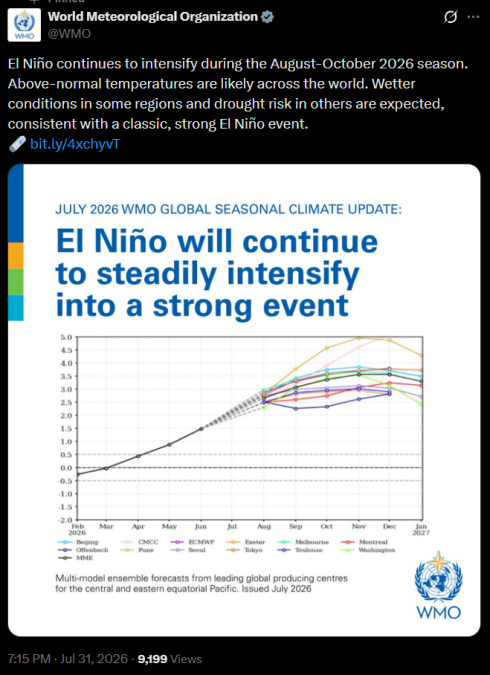
In a climate update posted on X, weather scientists confirmed that atmospheric shifts are already taking shape.
The statement noted, “El Niño continues to intensify during the August-October 2026 season. Above-normal temperatures are likely across the world. Wetter conditions in some regions and drought risk in others are expected, consistent with a classic, strong El Niño event.”
Ocean warming to impact local weather
The latest forecast relies on data gathered from major weather monitoring stations around the globe.
Detailed tracking data from the WMO shows sea surface temperatures in the Pacific Ocean rising well above normal averages.
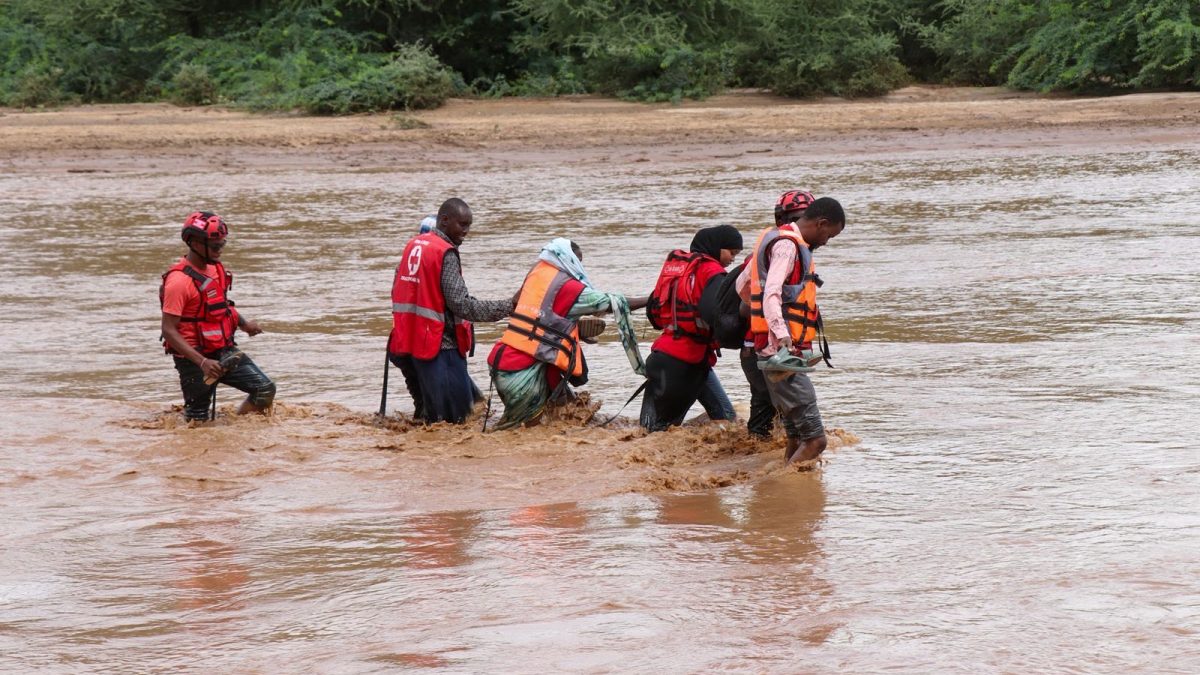
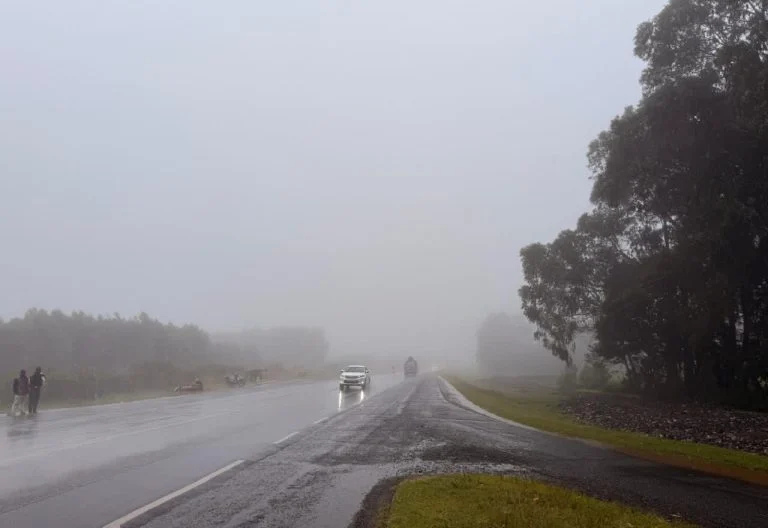
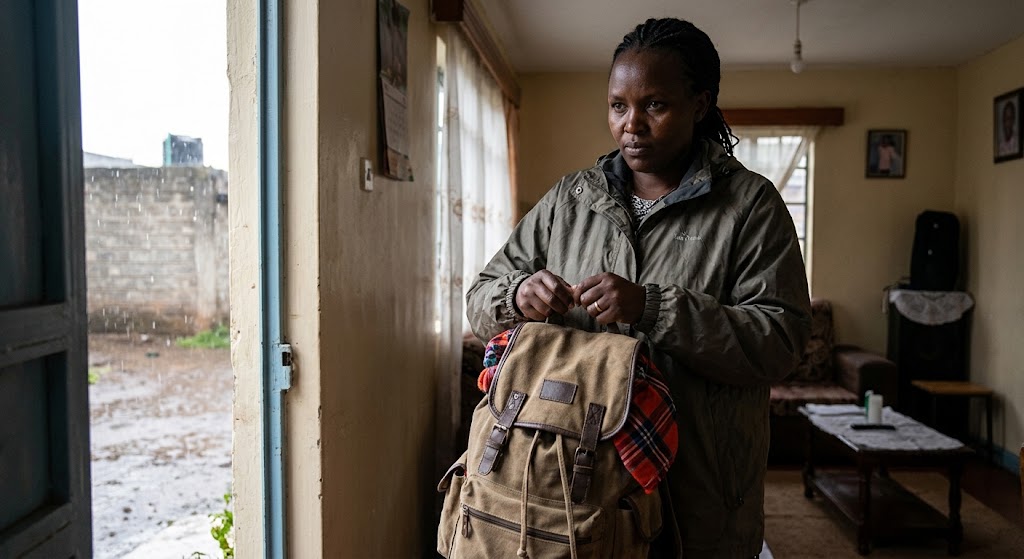
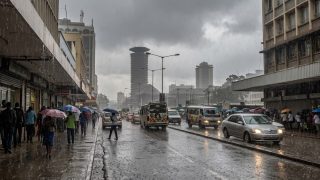
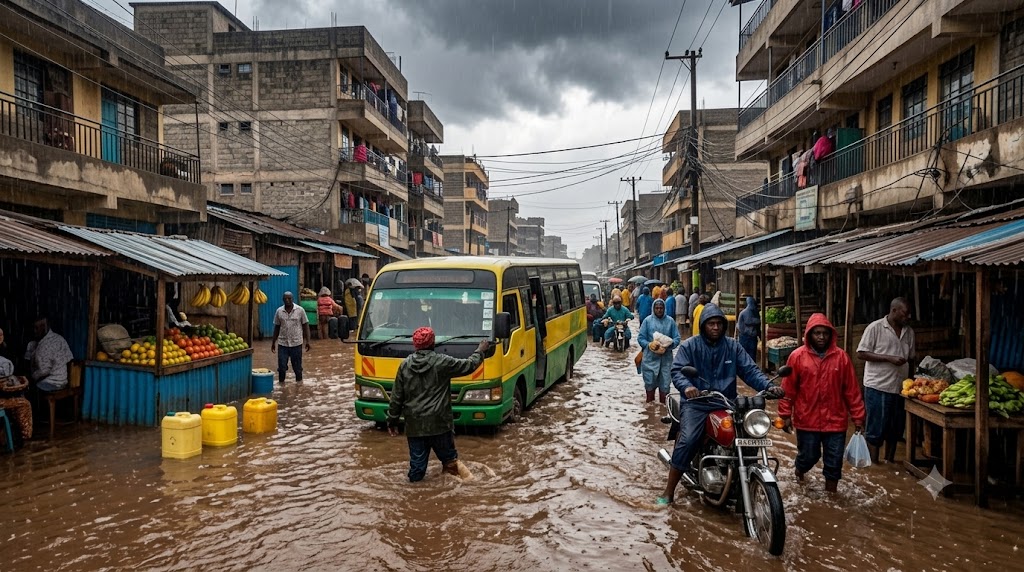
For everyday Kenyans, these shifting patterns carry real daily implications. Historically, a strong El Niño event brings heavy downpours to East Africa.
This often leads to flash floods in low-lying urban areas, disrupted public transport, and damaged crops for rural farmers. Meanwhile, severe dry spells in other parts of the world could affect global food supply chains and commodity prices.
UN chief calls for action
Reacting to the climate update on July 31, 2026, United Nations Secretary-General António Guterres urged governments worldwide to take immediate action to protect vulnerable communities.
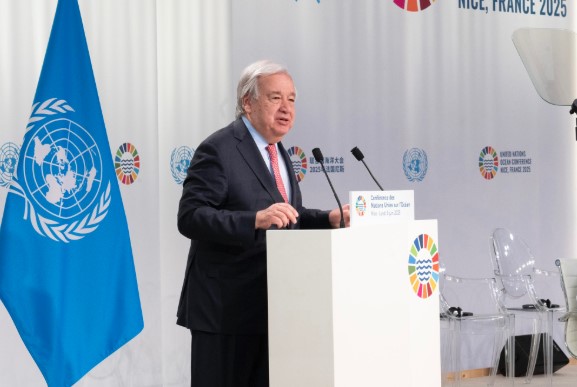
He pointed out that weather extremes will hit harder and travel across borders with devastating speed if nations do not act. “It is time to stop treating each disaster as an isolated tragedy and recognise the systemic risk that is unfolding before our eyes,” Guterres added.
The WMO emphasised that getting this warning months in advance gives local authorities, farmers, and disaster management teams a vital head start.
Simple early steps, such as clearing blocked city drainage channels, securing food reserves, and advising farmers on planting seasons, will help communities reduce potential damage as weather conditions develop through the end of the year.