Advertisement
Why K’Ogalo anthem means more than a song to Gor Mahia fans
01st June, 2026 08:54 AM
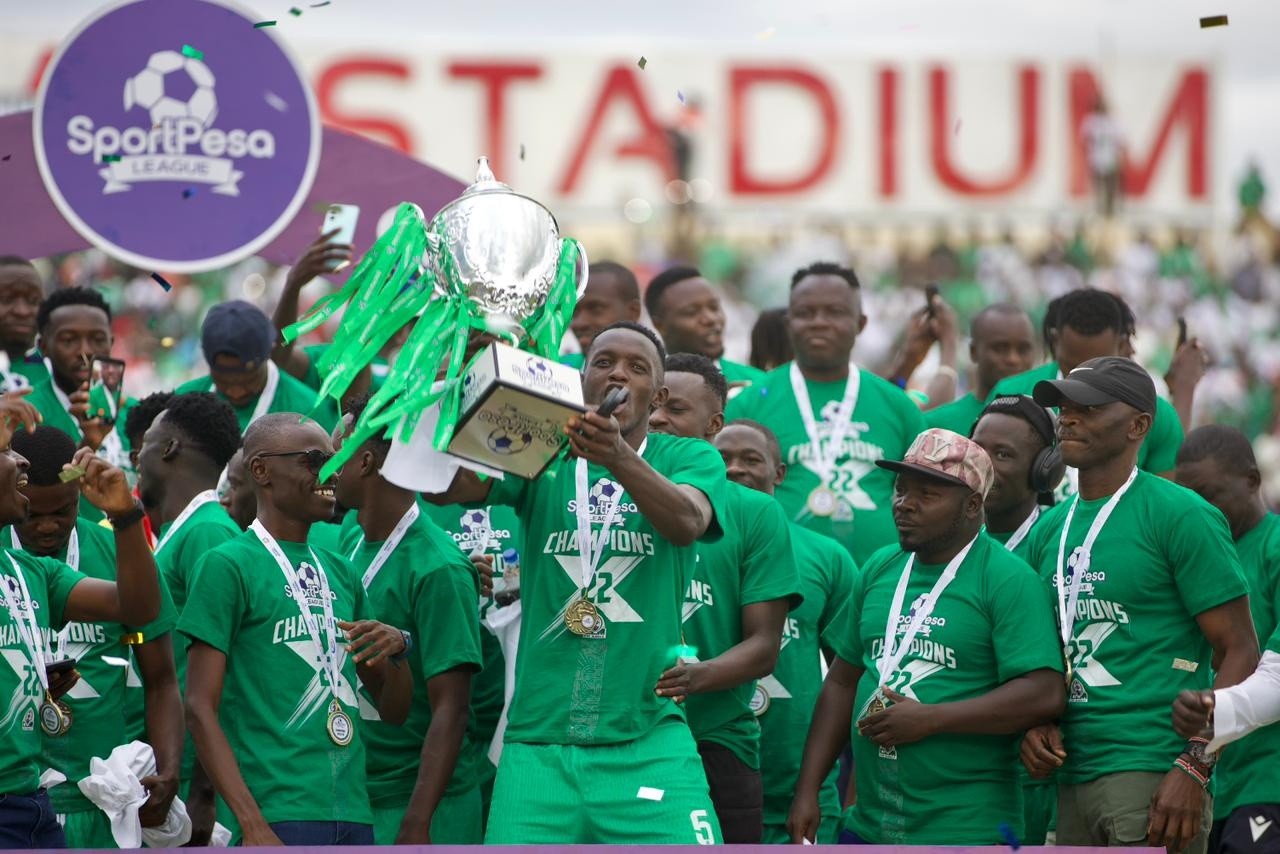
History has been rewritten by Gor Mahia by winning their 22nd league title, proving yet again that they are the most successful football club in the country.
The club won the title at the end of the 2025/26 FKF Premier League season and lifted the trophy during the league presentation ceremony at the Nyayo National Stadium.
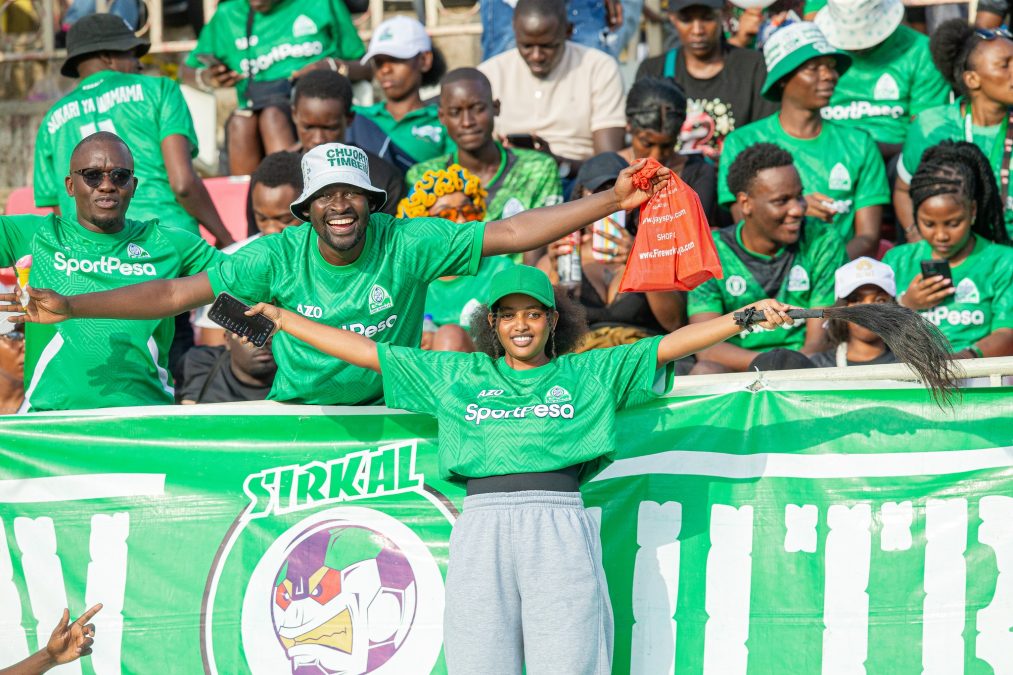
As players celebrated on the pitch and filled the Nairobi CBD, thousands of supporters joined in song, proudly singing the famous K’Ogalo anthem. For many fans, the anthem was not just a celebration of another trophy but a reminder of the club’s rich history, identity and connection to generations of supporters.
K’Ogalo is more than a team; it is a symbol of pride, unity, and belonging for its supporters.

Meaning behind K’Ogalo
The nickname K’Ogalo is deeply rooted in the history of Gor Mahia. The club’s name originated from a legendary Luo person called Gor Mahia. Historical records show that his full traditional name was Gor Wuod Ogada Nyakwar Ogalo.
In Luo culture, people were often identified by their lineage or homestead. As a result, he was also referred to as Gor K’Ogalo, meaning “Gor of Ogalo’s homestead”. He was thus called Gor K’Ogalo, implying that he came from the homestead of Ogalo. The name eventually stuck with the football club and its supporters.
Today, whenever fans sing the K’Ogalo anthem, they are celebrating more than football success. The song reflects heritage, loyalty and a sense of community that has been passed down through generations. The anthem has become a rallying call for supporters in stadiums, viewing centres and homes across the country.
What the anthem symbolises
Like many football anthems around the world, the K’Ogalo anthem serves as a symbol of identity. It brings together supporters from different backgrounds under one banner and reminds them of the club’s achievements and traditions.
Part of the anthem includes lines such as:
“K’Ogalo, Goorrr… Gor Mahia”
“Pinje duto ywakni, Gor Mahia”
The lyrics are sung repeatedly by supporters during matches and celebrations. Though the words are simple, they carry a deep emotional connection for fans who see the club as part of their community and history.
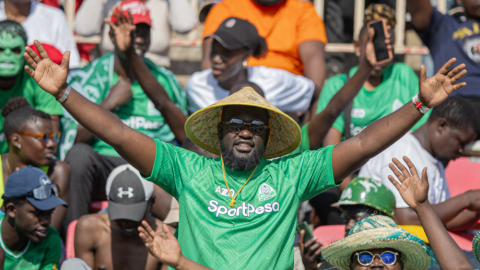
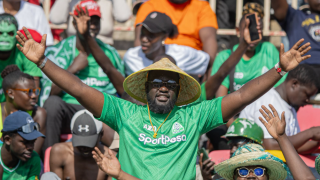
One of the most memorable parts of the K’Ogalo anthem is the line “Pinje duto ywakni, Gor Mahia,” a phrase that translates to “The whole world is talking about Gor Mahia.” To supporters, the words reflect pride in the club’s achievements and its place in Kenyan football. Sung with raised hands by both fans and players above their heads and swaying as they sing, the anthem has become a symbol of unity and belonging among the K’Ogalo faithful.
What the raised hands symbolise
For many supporters, the raised hands represent unity and collective pride. It is a way of showing support for the club regardless of the result on the field.
The tradition has become common during league celebrations, derby matches and major victories. As the anthem echoes around the stadium, the raised hands create a visual display of solidarity among thousands of supporters. The scene is often accompanied by drums, dancing and the waving of club flags.
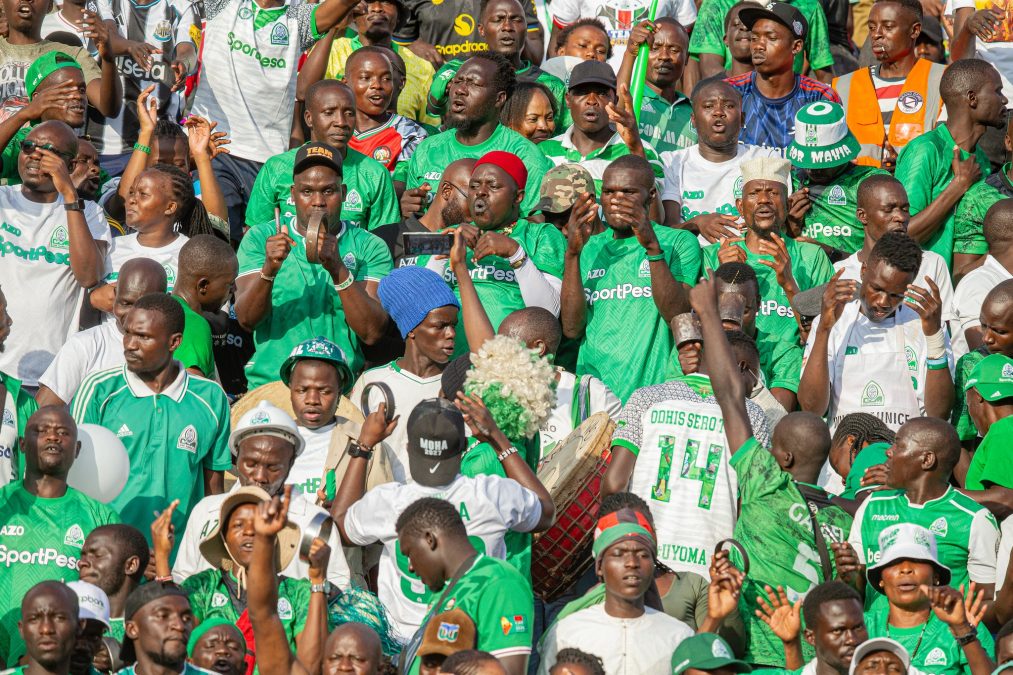
Football observers have noted that the anthem has become a major part of Gor Mahia’s match-day culture, helping create an atmosphere that many fans believe reflects the spirit of K’Ogalo.
Celebration beyond football
The anthem also reflects resilience. Since its formation in 1968, Gor Mahia has experienced moments of success and challenge, yet it has remained one of the most followed clubs in East Africa. Supporters often use the anthem to express unwavering loyalty, whether the team is winning trophies or facing difficult seasons.
The scenes witnessed after the latest title victory showed how closely football and culture can be connected. As green-and-white colours filled the stadium and the K’Ogalo anthem echoed through the stands, supporters celebrated not only a championship but also a shared identity.
For the followers of Gor Mahia, the anthem is still a very important memory of how the club was born and who they are. With 22 trophies won in the league at the time being a record for Gor Mahia, the anthem still connects the supporters together.