Advertisement
Nairobi, Mombasa, and Kisumu among 18 counties at high risk of El Niño impacts
10th August, 2026 02:25 PM
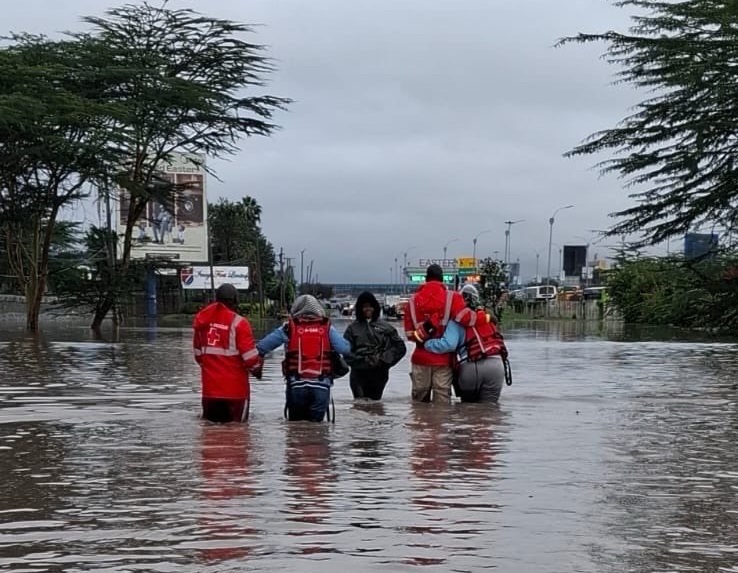
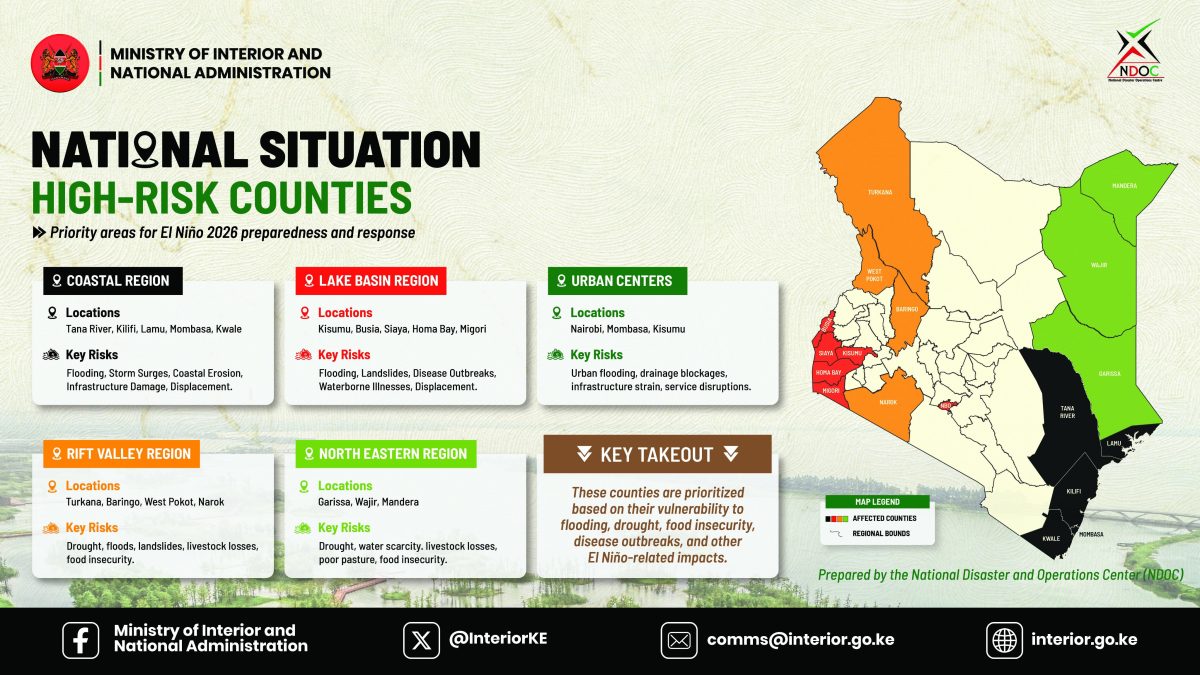
Nairobi, Mombasa and Kisumu have been identified among 18 counties requiring priority preparedness and response measures due to their exposure to possible El Niño-related impacts.
According to a statement issued by the Ministry of Interior and National Administration on Monday, August 10, 2026, the counties have been identified through a national risk assessment prepared by the National Disaster Operations Centre (NDOC).
The assessment places counties in the Coastal, Lake Basin, Rift Valley and North Eastern regions among areas facing the highest levels of vulnerability. Specific counties include Tana River, Kilifi, Lamu, Busia, Siaya, Homa Bay, Migori, Turkana, West Pokot, Narok, Baringo, Garissa, Wajir and Mandera.
Nairobi, Mombasa and Kisumu have also been singled out as high-risk urban centres, highlighting the vulnerability of major cities to the potential impacts.
Identified risks
The identified risks include flooding, landslides, drought, food insecurity, disease outbreaks and other possible impacts associated with El Niño conditions.
“18 counties have been identified requiring priority preparedness and response measures because of their exposure to flooding, landslides, drought, food insecurity, disease outbreaks and other possible El Niño-related impacts,” the Ministry of Interior stated.
“The national risk assessment, prepared by the National Disaster Operations Centre @NDOCKenya, places counties in the Coastal, Lake Basin, Rift Valley and North Eastern regions among the areas facing the highest level of vulnerability. Nairobi, Mombasa and Kisumu have also been singled out as high-risk urban centres.”
Preparedness
The Ministry said the 18 counties require priority preparedness and response measures to help mitigate the potential effects of the anticipated weather-related hazards.
The assessment is expected to guide preparedness and response efforts in the affected counties as authorities put measures in place to reduce the risks posed by the potential El Niño-related impacts.
Residents in the identified areas have been urged to remain alert and follow updates and guidance from relevant authorities as preparedness measures are implemented.
2026 El Niño
According to the World Meteorological Organization (WMO) Global Seasonal Climate Update, El Niño is expected to continue steadily intensifying into a strong event between August and October 2026.
The update shows that seasonal-average sea surface temperature anomalies linked to El Niño are projected to exceed 2.9°C in key monitoring regions, according to forecasts from leading global climate centres.
WMO said the developing El Niño is occurring alongside a positive Indian Ocean Dipole (IOD), a climate pattern where the western Indian Ocean becomes warmer than average while the eastern Indian Ocean becomes cooler.
The combination of these oceanic drivers could amplify climate impacts around the Indian Ocean basin, increasing the risk of extreme weather events such as drought, floods and wildfires.
In its rainfall outlook map, WMO indicated that areas marked green represent regions where above-normal rainfall is likely, while white areas show regions expected to receive near-normal rainfall. Orange areas represent locations where below-normal rainfall is likely.