Advertisement
High Court quashes bans blocking Marie Stopes from offering abortion services
18th December, 2025 03:43 PM
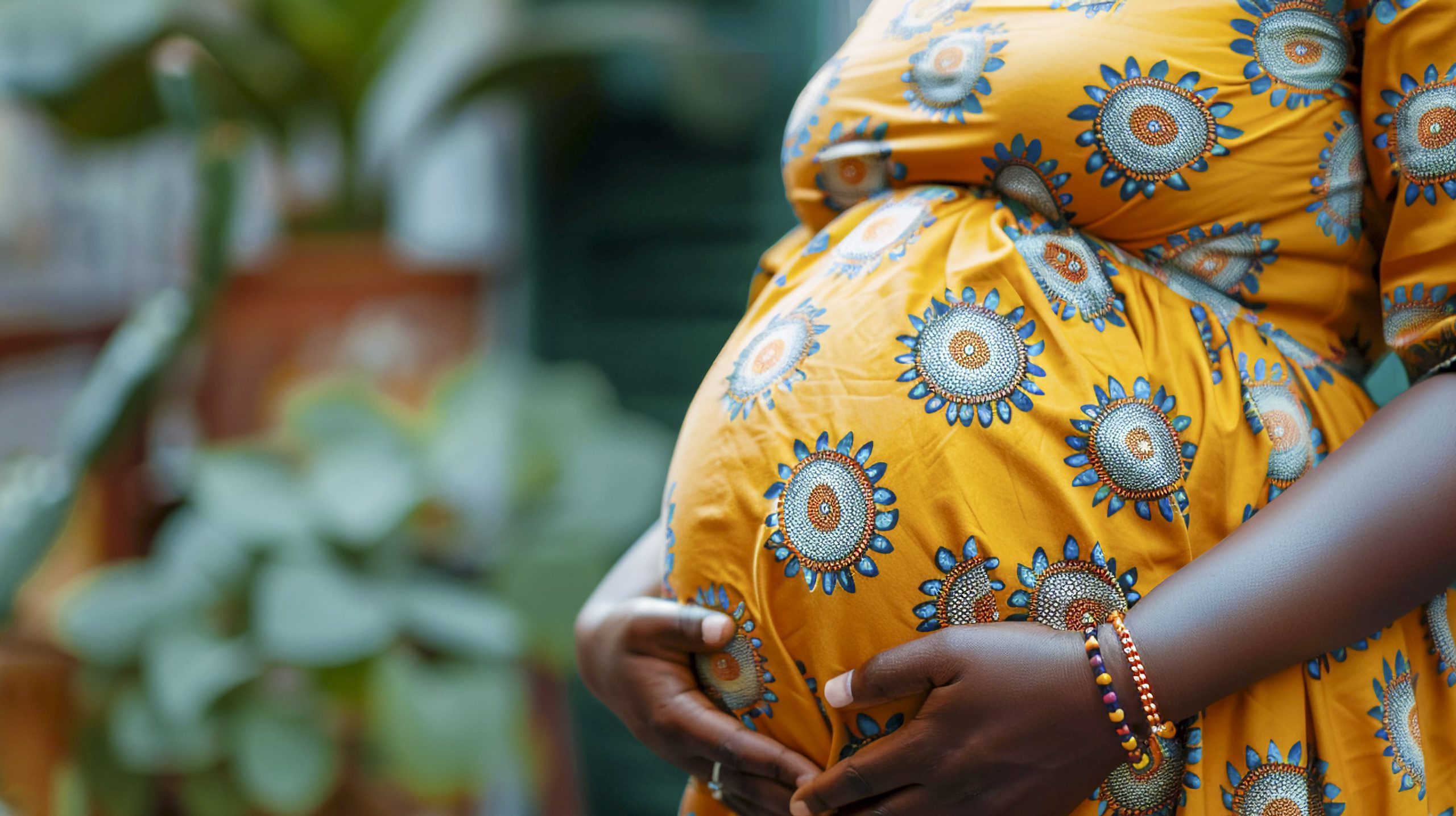
A Nairobi High Court has set aside three directives issued by the Kenya Film Classification Board (KFCB), the Kenya Medical Practitioners and Dentists Council (KMPDC), and the Director of Medical Services (DMS) banning Marie Stopes Kenya from offering abortion services, post-abortion care, and related information.
This ruling comes as a win for the Network for Adolescents and Youth of Africa (NAYA–Kenya) and Jackline Mary Karanja, both represented by the Center for Reproductive Rights, who moved to court on November 30, 2018, challenging the directives.
NAYA and Jackline sought to have the court vacate the directives to allow youths and marginalized groups access to information on abortion services in line with their Sexual and Reproductive Health and Rights (SRHR), which they argued had been denied following the ban on Marie Stopes Kenya from providing such information.
Justice Chacha Mwita on Thursday, December 18, 2025, vacated the bans imposed by the three entities, stating that they had no constitutional authority to issue such directives.
“The court has found the decisions to be ultra vires, unlawful, illegal, and unconstitutional, and orders of certiorari are hereby issued, quashing all three decisions in their entirety,” Justice Mwita ruled.
According to the judge, the KFCB had no legal mandate, including under Section 15 of its Act, to issue the directive of September 7, 2018, which banned a public awareness campaign run by Marie Stopes Kenya in partnership with the Ministry of Health and disseminated through the media.
Further, he noted that the KMPDC, as constituted at the time, had no authority to conduct disciplinary proceedings against institutions, whether on its own or through its disciplinary inquiry committee, as its mandate was limited to individual medical practitioners and dentists.
“KMPDC had no supervisory or disciplinary authority over Marie Stopes Kenya (MSK), which is an institution. MSK is registered as an NGO under the NGO Coordination Act, while its medical facilities are licensed separately,” Justice Mwita stated.
The court also held that the Director of Medical Services had usurped the powers of the Director General of Health and that the decision to ban MSK from offering post-abortion care was therefore unlawful, illegal, and unconstitutional.
In their petition, NAYA–Kenya and Jackline argued that as a result of the ban, women and girls who presented themselves at clinics in need of urgent medical emergency care, including safe abortion and post-abortion care, were unable to access lawful and life-saving services pending the hearing of their petition.
According to the petitioners, the directives issued by the KFCB, KMPDC, and the DMS were unconstitutional, exceeded the powers of those bodies, and infringed on the rights of women and adolescents.
They strongly opposed the KFCB’s claim that public awareness campaigns on comprehensive reproductive health services aired on radio were advocating for abortion.
“The bans imposed by the KFCB, KMPDC, and the DMS were unconstitutional, exceeded their legal mandate, and violated fundamental rights,” the petitioners’ legal team told the court.