Advertisement
GMO maize on trial as science meets the law in Kisumu court
02nd March, 2026 06:52 PM
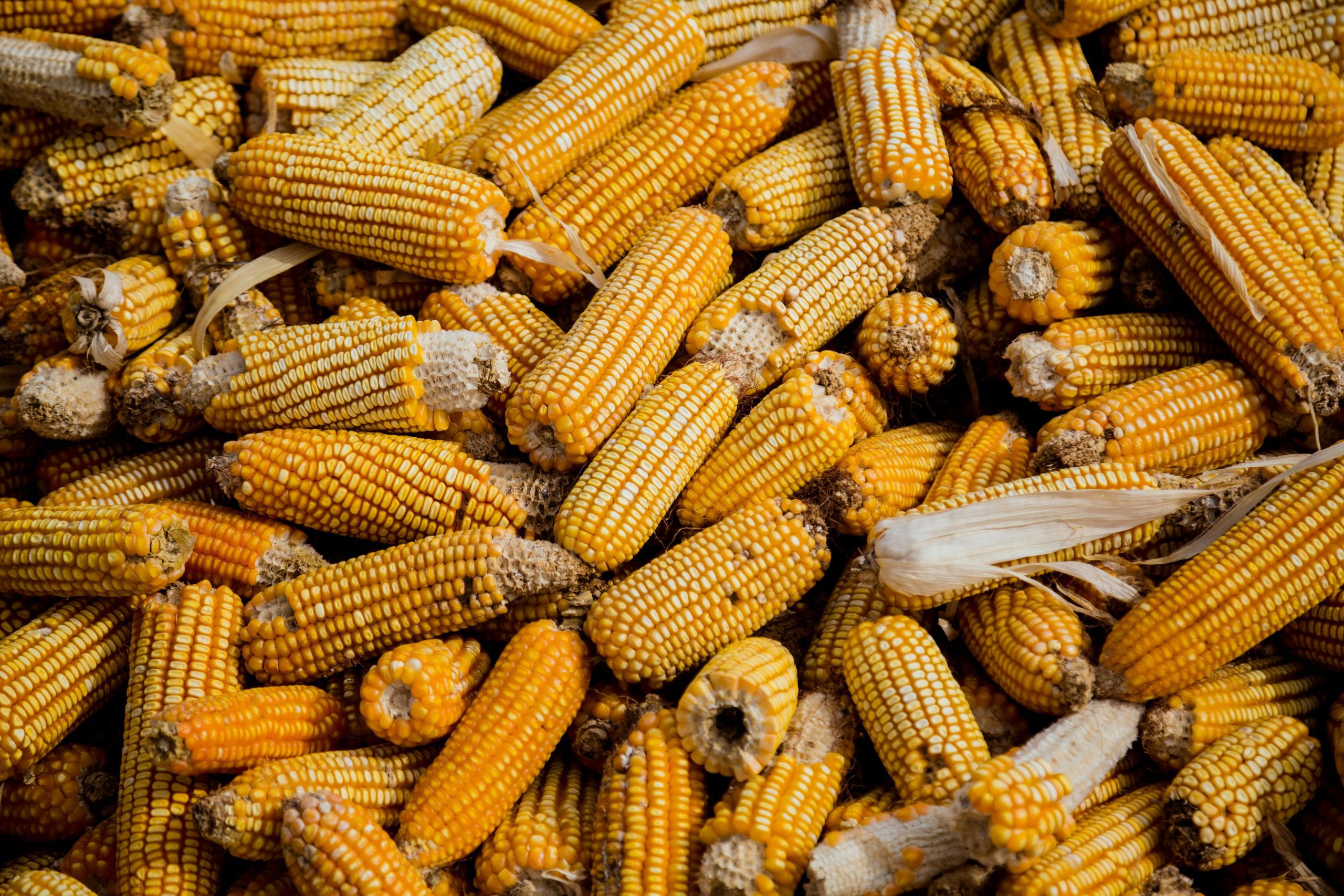
The debate over the safety of genetically modified (GM) maize took centre stage at the High Court of Kenya in Kisumu, where an agricultural scientist defended the technology, saying it poses no risk to human health or the environment.
The matter came before Justice Joe Omido, who is presiding over a constitutional petition challenging the adoption and regulation of genetically modified maize in Kenya.
The petition, filed by four individuals in the public interest, questions whether the introduction of GM maize violates constitutional rights related to health, food safety, environmental protection and property.
In a detailed witness statement filed in court, agricultural research scientist Stephen Mugo Ngure Ireri defended the safety of GM maize, dismissing claims that the crop contains harmful bacteria.
Mugo, testifying on behalf of the National Biosafety Authority, told the court that genetically modified maize varieties contain only specific genes that help crops resist pests, not whole bacteria as alleged by the petitioners.

“Genetically modified maize contains inserted genes that enable the plant to produce proteins targeting specific insect pests. These proteins are harmless to humans and livestock,” he told the court.
He explained that Bt maize produces proteins that affect only certain insect larvae and become inactive in the human digestive system.
According to the expert, pest infestation remains one of the biggest threats to maize production in Kenya, leading to significant crop losses annually.
Court documents indicate that invasive pests such as fall armyworm and stem borers have severely affected yields, prompting the need for alternative solutions, including biotechnology.
Mugo argued that GM maize reduces reliance on chemical pesticides while improving yields and lowering aflatoxin contamination in maize.
“Bt maize protects crops from destructive pests and supports food security by reducing losses at farm level,” he stated.
The petitioners argue that GM crops may threaten the right to health, safe food and a clean environment, while also raising concerns about possible dependency on patented seeds.

However, the scientist maintained that farmers are not compelled to adopt GM seeds and can still use conventional or indigenous varieties.
He further told the court that regulatory bodies, including the Ministry of Agriculture and Livestock Development and the Kenya Plant Health Inspectorate Service, oversee the approval and monitoring of genetically modified crops.
Justice Omido directed that the matter proceed for further hearing in June as the court continues to examine scientific and constitutional issues surrounding the adoption of GM technology in Kenya.
The case is expected to attract significant public interest due to its potential impact on national food policy and agricultural biotechnology regulation.
Court proceedings will resume on 2 and 3 June.