Advertisement
Sakaja may have survived impeachment, but not the wrath of Nairobians
03rd September, 2025 06:31 AM

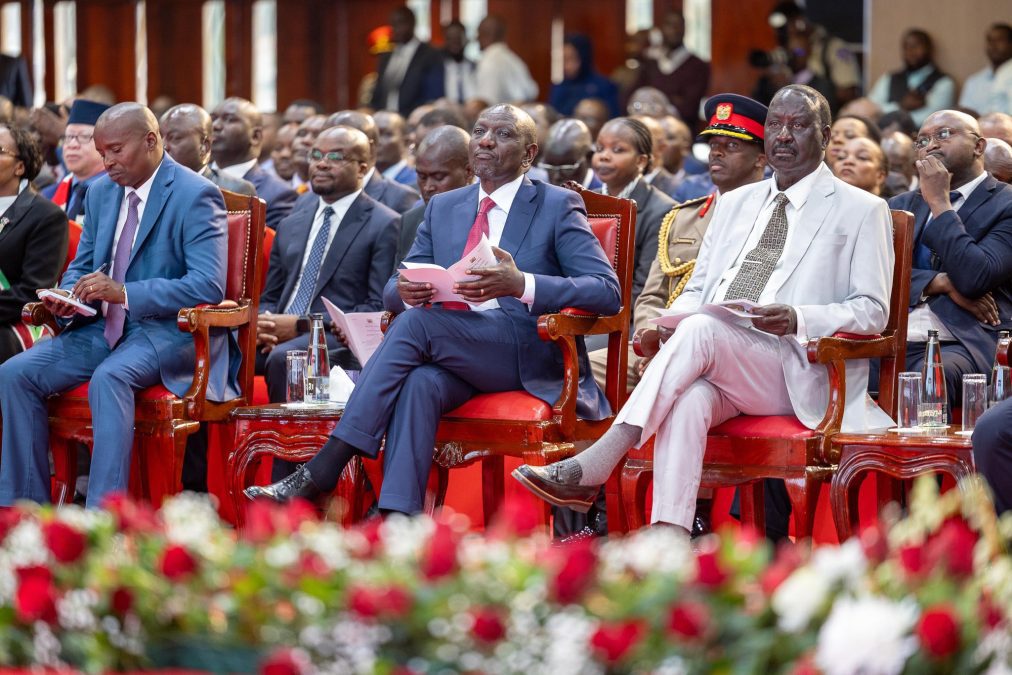
Governor Johnson Sakaja may have dodged a political bullet with the postponement of his impeachment motion, thanks, in large part, to behind-the-scenes interventions by President William Ruto and Orange Democratic Movement (ODM) leader Raila Odinga.
But while the handshake politics might have saved him from an embarrassing ouster at the hands of Nairobi MCAs, it is increasingly clear that Sakaja is losing the trust of the very people who elected him.
For many Nairobians, the relief of seeing change at City Hall after years of mismanagement has turned into bitter disappointment. Sakaja campaigned on a platform of transformation, promising to restore dignity, order, and efficiency in the capital.
Yet, two years into his tenure, the city remains mired in the same dysfunction, if not worse. The waste menace is out of control, service delivery is disjointed, and controversial attempts to privatise key services have left residents feeling both abandoned and exploited.
The accusations against Sakaja that triggered the impeachment motion were not fabricated. Mounting piles of uncollected garbage in neighbourhoods across Nairobi are an everyday reminder of the broken promises.
From Eastlands to Kawangware, residents complain of worsening filth, clogged drainage systems, and an environment that is quickly becoming a public health hazard. Even central business district areas, which were once relatively well-maintained, are deteriorating.
Reform or rewarding cartels?
In addition to this, the governor’s push to privatise certain county services, including waste collection and healthcare delivery, has sparked outrage. Many view this move not as reform but as a way to benefit shadowy cartels and politically connected entities.
The fear is that basic services, already inconsistent, will become unaffordable and even more inaccessible to the urban poor. Privatisation, in this context, feels less like efficiency and more like abdication of duty.
What is perhaps most galling to Nairobians is not just the mismanagement, but the glossy PR machine that seems to accompany every failure. Sakaja has become known more for his well-curated social media presence and glitzy events than for real, tangible progress.
It is not uncommon to see drone shots of tree-planting ceremonies or ribbon cuttings while the roads leading to those locations remain cratered and impassable. Nairobians are not fools; they can see the widening gap between rhetoric and reality.
The intervention by the top honchos to quash the impeachment motion sends a troubling message: that political convenience trumps accountability. While the two leaders may claim they acted in the spirit of unity and stability, the optics are damaging. It reinforces the perception that the political class prioritises its own interests, regardless of performance, and that the electorate’s voice matters only once every five years.
But Sakaja should not mistake this temporary political reprieve for redemption. Nairobians are watching, and their patience is wearing thin. The governor may have avoided removal by MCAs, but he is fast losing the support of the electorate, and that is a far more dangerous trajectory. Come the next election cycle, no amount of statehouse backing or opposition shielding will protect him from the people’s verdict.
The citizens of Nairobi deserve a governor who listens, delivers, and leads with integrity. They want clean streets, a functioning health system, and responsive governance, not hashtags and staged photo ops. Sakaja still has time to course-correct, but the window is narrowing. The PR honeymoon is over. It is time for real leadership or to prepare for a political reckoning.
In Nairobi, survival is not about pleasing politicians in high offices; it is about earning the trust of the people. And right now, that trust is slipping away.