Advertisement
Banning Boda Boda is a mistake that will cripple the economy and punish millions
20th July, 2025 06:28 AM
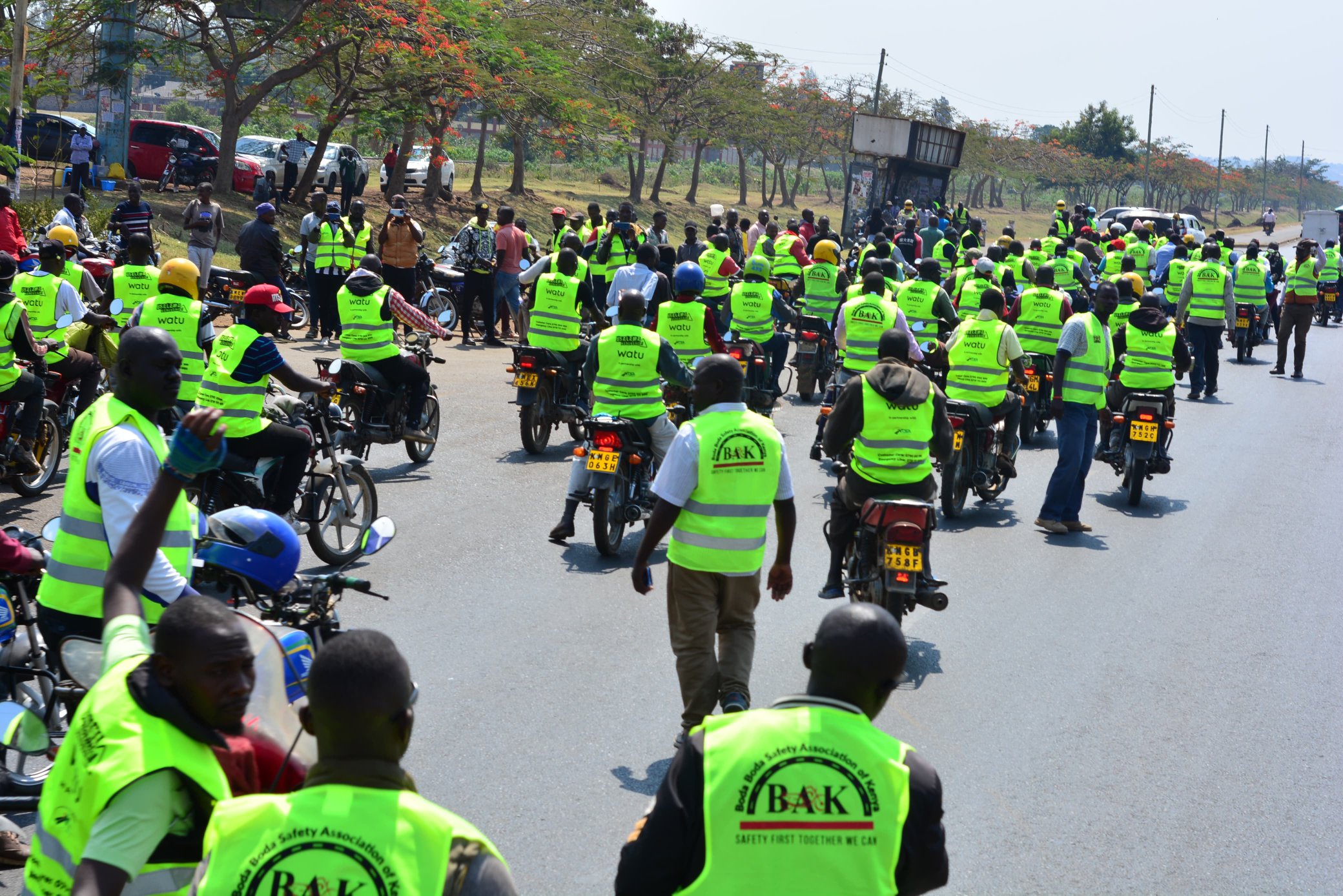
By targeting boda bodas with a blanket ban in major towns and cities, Presidential advisor Makau Mutua has stirred deep concern among millions of Kenyans whose livelihoods depend on the motorcycle taxi sector.
While safety and discipline remain real challenges, proposing a ban on boda boda operations is shortsighted, economically reckless, and socially unjust. Kenya does not need to eliminate this vital sector; it needs to regulate, reform, and modernise it.
The boda boda sector is not a fringe player in Kenya’s economy; it is the backbone of informal employment and daily mobility. According to data from the Kenya National Bureau of Statistics and various credible analyses, the sector contributes over Ksh660 billion annually, amounting to 4.4 per cent of the country’s GDP. More than 2.5 million people are directly employed as riders, with many others working in supporting roles as mechanics, fuel vendors, insurance brokers, spare part sellers, and digital app developers.
The average boda boda rider earns Ksh1,000–Ksh1,100 per day, enough to feed a family, educate children, and sustain small enterprises across Kenya’s counties.
Beyond individual income, the government benefits immensely. The boda boda sector drives fuel demand, which feeds into Ksh60 billion in annual tax revenues through levies and VAT. A sudden ban would not only destroy household incomes; it would slash national and county tax collections, disrupt urban transport, and create a logistical nightmare for daily commuters, especially in underserved peri-urban areas.
Admittedly, the sector has its issues. Reckless driving, indiscipline, and rising accident statistics are causes for real concern. In 2022 alone, motorcycle-related crashes resulted in over 1,200 deaths, a grim figure that should not be ignored. From 2016 to 2022, more than 5,973 riders and 2,336 passengers died in boda boda accidents, according to official reports from the NTSA. These are not just numbers; they represent lost lives, broken families, and costly hospital bills.
But banning the entire industry punishes everyone for the sins of a few. It’s a classic case of throwing out the baby with the bathwater. A smarter approach would be to address the root causes of accidents: lack of formal training, poor helmet use, nonexistent insurance, corruption in licensing, and the absence of proper rider identification and SACCO enforcement.

Smart approach
Other countries have shown the way. In Rwanda, moto-taxis are professional, uniformed, tracked, and cashless. Riders operate under licensed cooperatives, wear high-visibility safety gear, and are required to adhere to rigorous traffic standards. GPS-enabled digital platforms track each journey, while cashless payments make fare systems transparent. The result is a safe, clean, and modern motorcycle taxi system that complements public transport, rather than being a threat to it.
Kenya should adopt a similar framework rather than propose an outright ban. That means mandatory licensing, rider training, and SACCO membership. Riders should undergo formal instruction in road safety, customer service, and first aid. Each commercial motorcycle must be GPS-tracked, insured, and associated with a traceable operator. County governments and the NTSA should strictly enforce traffic laws, targeting violators, not the entire sector.
Moreover, the government can introduce incentives. Offer fuel rebates or microloans to riders who comply with training and safety protocols. Reward SACCOs that report the least number of traffic violations. Fast-track Kenya’s transition to electric motorcycles to lower emissions and reduce fuel costs, just as some countries have begun to do.
Banning boda bodas will not solve indiscipline. It will exacerbate poverty, increase urban congestion, and drive the industry underground. Informal operators will re-emerge, this time completely unregulated and invisible to law enforcement, creating even more danger for the public. Women, students, workers, and small traders who rely on quick, low-cost transport options will be stranded or forced to pay more for alternatives.
Kenya’s goal should be to professionalise, not prohibit, the boda boda sector. Let us reform the industry through proper training, modern technology, traffic enforcement, and cooperative organisation. The boda boda rider is not a criminal by default; he or she is a hard-working citizen trying to earn an honest living in a tough economy.
Instead of eliminating this critical mode of transport, let us fix it. The future of safe, affordable, and inclusive mobility in Kenya depends on it.