Advertisement
Why young Kenyans are skipping gym and prefer working out at home
30th April, 2026 01:30 PM
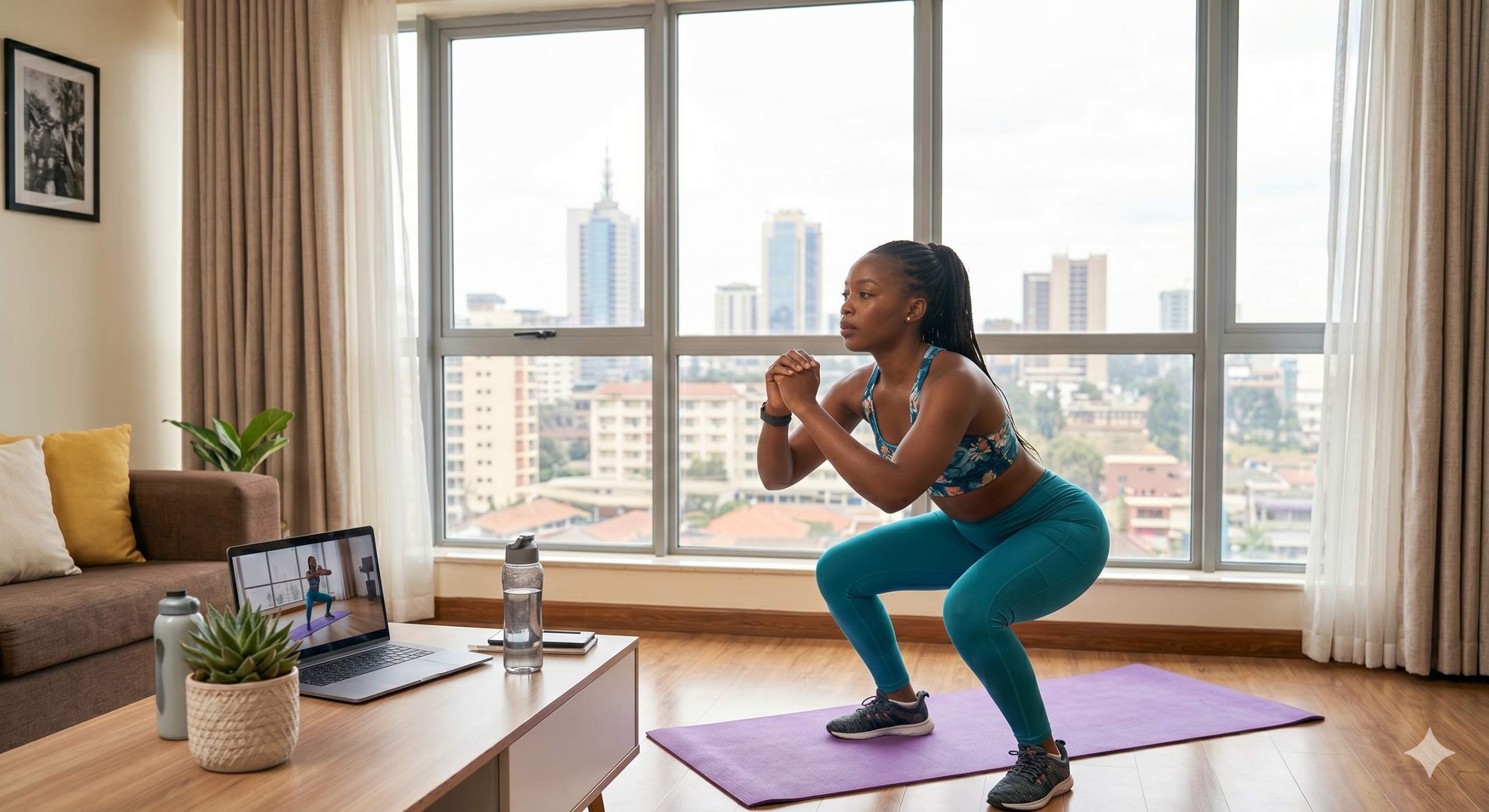
Walk into most Nairobi gyms after 5.00 pm, and the picture is familiar: every machine taken, mirrors fogged with breath, and a queue for the squat rack.
For many young Kenyans juggling rent, transport, and a rising cost of living, that experience, topped with a monthly membership bill, is starting to feel less worth it.
The shift is quiet but real. Across social media, fitness hashtags are filling up not with gym selfies but with bedroom workouts, rooftop runs, and resistance band routines filmed in tight spaces.
Home fitness is no longer a Covid-era workaround. For a growing number of young people in Nairobi and beyond, it is simply the smarter option.
The cost
Gym memberships in Nairobi currently start at around Ksh 5,000 per month for most established facilities.
At the premium end, some gyms charge anywhere from Ksh 19,500 to Ksh 66,000 for monthly or annual packages.
For a young professional or a student, that is a significant chunk of a monthly budget. Add transport costs to get there and back, and the numbers start to sting.

Overcrowding makes matters worse. Many gyms across the city, regardless of what they charge, tend to fill up sharply in the evenings after 5.00 pm, the very window when most working people are free to train.
The lack of equipment at peak hours can be discouraging and, in some cases, causes people to abandon their fitness journey altogether.
Switching to a more expensive gym does not guarantee avoiding the crowds either, with the supply of decent fitness facilities in Nairobi running considerably below demand.
How people work at home
The good news is that getting fit at home has never been more accessible. YouTube channels, fitness apps, and free workout programmes have removed the need for expensive equipment or a trainer standing over your shoulder.
Bodyweight training (push-ups, squats, lunges, planks, and their many variations) can build real strength and endurance without a single piece of gym equipment.
A yoga mat, a pair of resistance bands, and a set of light dumbbells are enough to cover most fitness goals, and that kit can cost less than two months of a mid-range gym membership.

Small spaces are no obstacle either.
A cleared section of living room floor, a rooftop, or even a corridor is all most home workout routines need. The key, fitness enthusiasts say, is consistency over convenience: shorter, more frequent sessions at home often beat sporadic trips to a gym that feels like a chore to reach.
The mental shift matters too. Working out at home removes the social pressure that puts many beginners off the gym in the first place – no waiting, no judgement, and no commute eating into your recovery time.
The gym is not going anywhere, and for those who thrive on the energy of a shared training space, it remains the best option. But as costs rise and Nairobi’s young professionals get smarter about where their money goes, the living room is increasingly becoming the most affordable gym in the city.