Advertisement
How your office chair could be undoing all your gym efforts
22nd July, 2026 09:23 AM
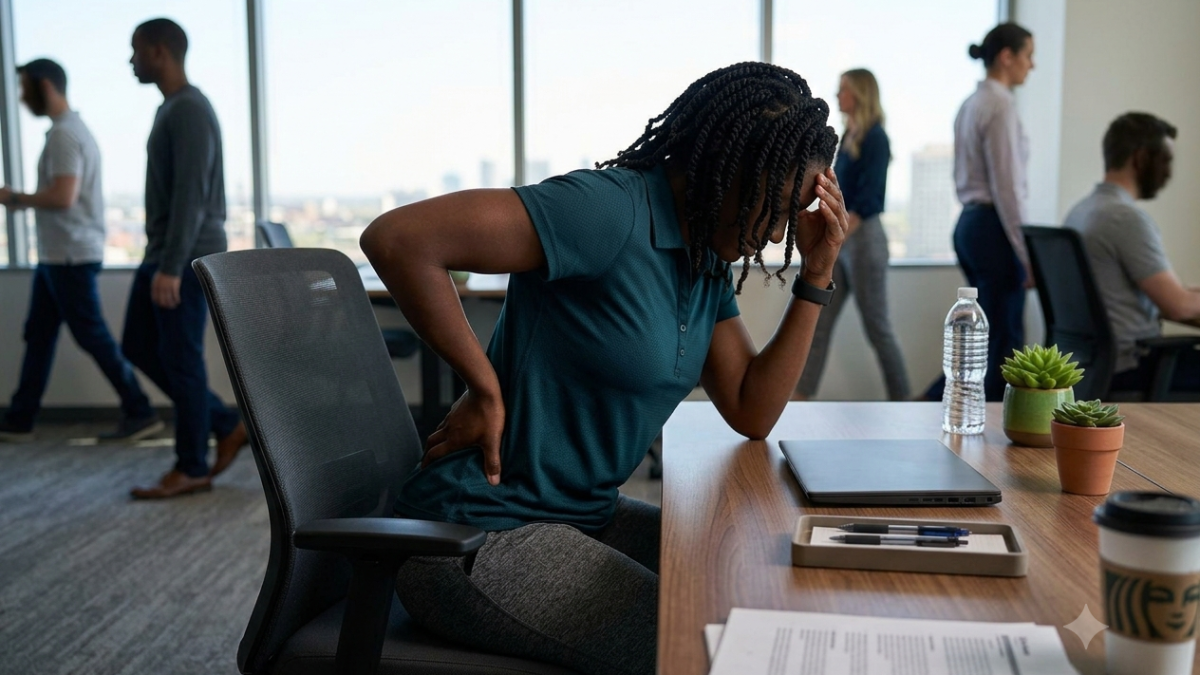
Many people believe that exercising before or after work is enough to stay healthy. While regular workouts are important, they do not erase the effects of spending eight or more hours sitting at a desk. Health experts have found that prolonged sitting can affect posture, weaken muscles, reduce flexibility and increase the risk of back pain, even in people who exercise several times a week.
The modern office has made life more convenient, but it has also made people less active. Emails replace short walks to a colleague’s desk, meetings happen online, and lunch is often eaten without leaving the chair. As a result, many office workers unknowingly undo some of the benefits they gain during their workouts.
The good news is that protecting your fitness does not require expensive equipment or a standing desk. Small changes throughout the workday can help your body stay active and support the effort you put into every gym session.
1. Sitting weakens the muscles you train the hardest
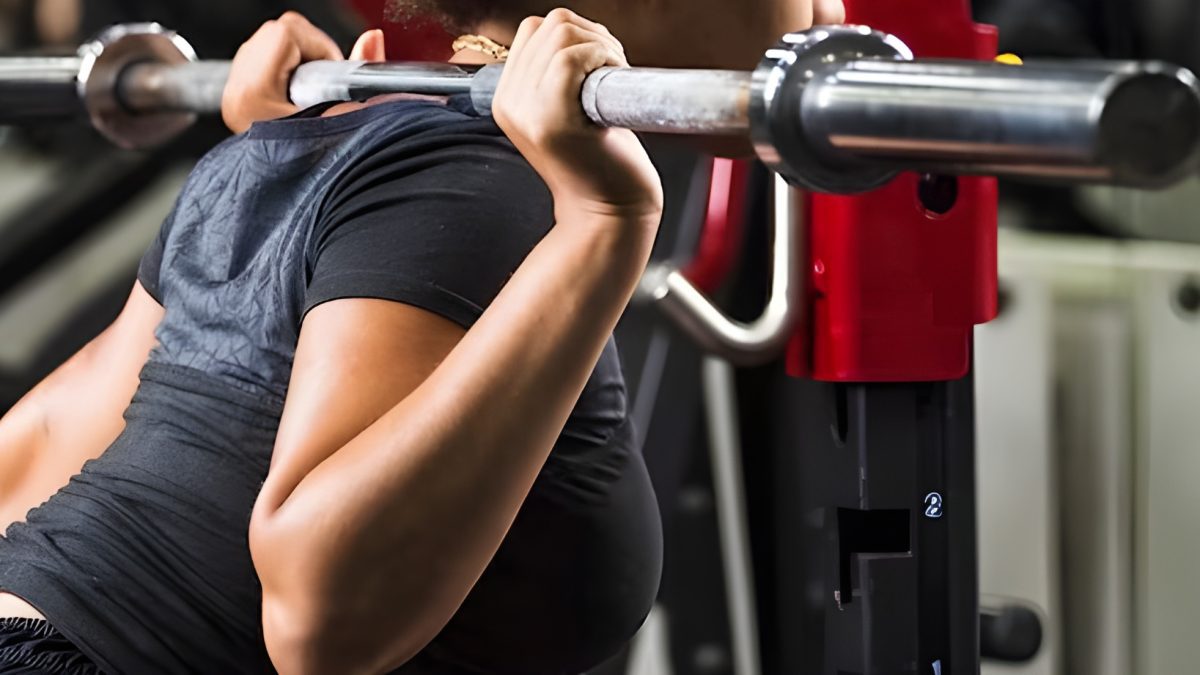
Exercises such as squats, lunges and deadlifts rely heavily on the glutes, hamstrings and core muscles. However, sitting for long periods keeps these muscles inactive.
When muscles stay switched off for most of the day, they gradually become weaker and less efficient. This can make lifting weights more difficult and increase the strain placed on the lower back and knees during exercise.
Standing up every hour, taking short walks and using the stairs instead of the lift helps keep these muscles engaged. Even a few minutes of movement can improve muscle activation before your next workout.
2. Poor posture affects exercise performance
Spending hours leaning towards a computer screen places extra pressure on the neck, shoulders and upper back. Over time, rounded shoulders and a forward head posture become common among office workers.
Poor posture limits movement and makes it harder to perform many gym exercises correctly. Overhead presses, rows, and chest exercises often become uncomfortable because the shoulders no longer move freely.
Setting up your workstation correctly can reduce these problems. Keep your screen at eye level, sit with your feet flat on the floor and avoid leaning forward for long periods. Regular stretching throughout the day also helps restore better posture.
3. Tight hips reduce mobility
The hips remain bent while sitting, causing the hip flexor muscles to tighten. As these muscles become shorter, movements that require flexibility become more difficult.
Limited hip mobility affects squats, lunges, running, and even walking comfortably. It can also force the lower back to compensate, increasing the likelihood of pain and injury.
Simple hip stretches before and after work, combined with short walks during breaks, can improve flexibility and help restore a full range of motion.
4. Long periods of sitting slow calorie burn
The body burns fewer calories while sitting than when standing or walking. Although a gym workout increases energy expenditure, remaining inactive for the rest of the day reduces total daily movement.
Daily activities such as walking to meetings, standing while making phone calls and taking regular movement breaks contribute to overall calorie burn. These small actions, sometimes called non-exercise activity, play an important role in maintaining a healthy weight.
Adding more movement throughout the workday complements structured exercise instead of replacing it.
5. Recovery depends on movement too
Recovery is often associated with sleep, hydration and proper nutrition, but movement during the day is equally important.
Remaining in one position for several hours can reduce circulation and leave muscles feeling stiff after a workout. Gentle movement encourages blood flow, helping deliver oxygen and nutrients to recovering muscles.
Standing, stretching or walking for a few minutes every hour can reduce stiffness and help your body recover more effectively between training sessions.