Advertisement
Gym newbies guide 2026: How to survive and thrive your first workouts
29th December, 2025 06:05 PM

Many people start the new year with resolutions to get fit, lose weight, or simply live healthier. The start of a new year often feels like a fresh page, and joining a gym seems like the perfect way to write a new story. Walking into a gym for the first time can be intimidating.
The machines look complicated, the weights seem heavy, and everyone else seems like they know exactly what they are doing. The truth is, everyone was a beginner once. Feeling nervous, out of place, or even sore is completely normal. The key is knowing what to expect, how to manage it, and how to turn that nervous energy into motivation. With the right mindset and preparation, the first days at the gym can be fun, productive, and even addictive in a good way.
1. Know why you are joining
Before signing up for a membership, ask yourself why you want to join the gym. Are you here to lose weight, gain muscle, boost your energy, or simply become healthier overall? Having a clear reason helps you push past the mornings when the alarm goes off, and the last thing you want to do is lace up your shoes. Your reason may start simple, but it can change over time. You may begin with a goal of losing weight and end up realising that going to the gym makes you feel stronger mentally, more confident, or less stressed. Whatever your reason, keep it in mind as motivation on days when it is hard to show up.
2. Set realistic goals
You are not going to walk into the gym once and suddenly look like a superhero. Fitness is a journey, not a montage from a movie. Break your goals into small, achievable victories.
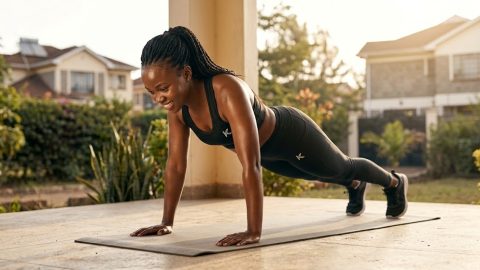
Perhaps it is losing two kilograms in a month, going from zero to three workouts a week, or doing your first proper push-up. Small wins keep you motivated and consistent. Setting measurable goals is also helpful.
Instead of saying that you want to get fit, try saying that you want to jog two kilometres without stopping or lift ten kilograms safely. Tracking progress clearly gives you proof that your hard work is paying off and makes the journey feel less overwhelming.
3. Pick the right gym for you
Not all gyms are the same. Some feel like friendly community spaces where people encourage each other. Others feel like competitive arenas where everyone seems to know exactly what they are doing. Before joining, take a tour, check the hours, see if the gym has the equipment that you want, and make sure it is a space that you will enjoy.

Location is also important. A gym close to home or work makes it much easier to attend consistently. Think about the atmosphere as well. Loud music and high energy might motivate some people, but exhaust others. Choose a gym that makes you want to go rather than dread it.
4. Dress for comfort and safety
You do not need designer gym clothes, but you need basics that allow you to move comfortably. Breathable clothing, supportive sneakers, and clean socks are essential. Bring a water bottle to stay hydrated. Jeans and heavy shoes are not suitable for cardio machines or weight training. Layers can be useful for warming up or cooling down. Comfort is more important than style, and your body will appreciate it.
5. Bring essentials and track your progress
Your gym bag is your workout companion. Bring a towel, a water bottle, headphones, and a change of clothes. Wiping down equipment before and after use is part of being a considerate gym-goer.
Tracking your workouts is helpful. Write down the exercises you perform, the number of repetitions, and the weights used. Seeing progress on paper makes your efforts feel real and motivates you to continue improving.
6. Learn gym etiquette
Respect the space, the equipment, and the people around you. Do not hover over someone while they are performing a set. Return your weights when you are done. Wipe down machines after use. Use headphones to keep noise to a minimum.
Allow others to work in between your sets if they ask. If you are unsure about something, it is acceptable to ask for guidance. Most people will appreciate your effort to learn rather than assume you know everything. Good gym etiquette makes the experience better for everyone and helps you feel more confident.
7. Manage and push through muscle pain
The first few weeks at the gym can be challenging. Your muscles will feel sore, sometimes even the day after a workout that felt easy at the time. This is normal and a sign that your body is adapting and growing stronger. You can manage soreness by stretching, warming up, and cooling down properly. Drink water, eat well, and get enough rest. It can be tempting to skip workouts because of soreness, but gentle consistency is important. There is a difference between normal muscle soreness and sharp or unusual pain. Listening to your body and avoiding injuries is essential. Accepting that some discomfort is part of the process will help you develop mental toughness and confidence.
8. Start slow and stay consistent
Your body responds more to consistency than intensity. Three to four steady workouts each week are better than one extreme session followed by days of rest. Shorter workouts are acceptable, especially at the beginning.
Warming up before exercise and cooling down afterwards protects your muscles and joints. Showing up regularly, even when you feel tired or sore, builds habits that lead to results over time.
9. Diet and hydration
You cannot outwork poor nutrition. Staying hydrated helps maintain energy levels. Eating protein, vegetables, whole grains, and healthy fats supports muscle repair and overall health. Pre-workout snacks give energy, and post-workout protein aids recovery. Treat food as fuel rather than a reward or punishment. What you eat directly affects how you feel and how well your workouts progress.
10. Rest is essential
Muscles grow when you rest, not while you are exercising. Sleep, rest days, and recovery are as important as the workouts themselves. Overtraining can lead to fatigue, burnout, and injuries. Stretching, foam rolling, and gentle activity on rest days help with recovery. Listening to your body is just as important as pushing yourself. Respecting rest days builds stronger muscles and prevents setbacks.