Advertisement
How salt affects athletic performance
19th July, 2026 08:11 PM

When you go for a run, play a weekend football match, or lift weights at the gym, sweating is your body’s natural cooling system. But that sweat takes away more than just water; it carries out essential salts, especially sodium.
For regular fitness lovers and athletes alike, losing too much salt can quietly ruin a workout, slow down your pace, and leave you feeling completely drained.
How salt controls your muscles
Your nerves and muscles rely heavily on sodium to communicate with each other. When you sweat heavily, you lose this salt, which breaks the delicate electrical balance your body uses to send signals from your brain to your muscles.
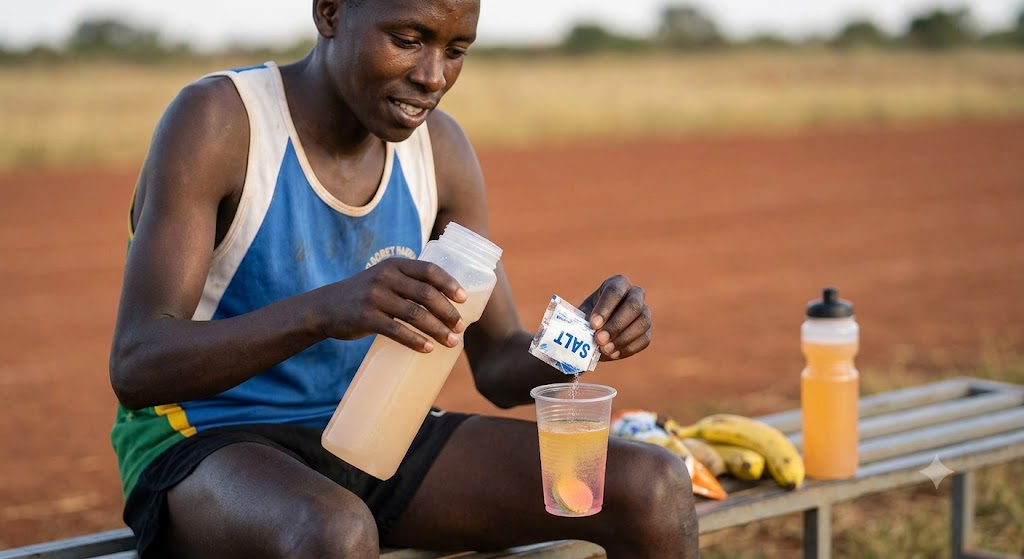
Without this balance, your muscles cannot contract efficiently, leading to early tiredness, muscle cramps, and heavy legs.
A 2020 peer-reviewed study published in the journal Frontiers in Nutrition found that “consuming 50 mmol/L of sodium before and during a 1-h tennis training session reduced urine osmolality and improved groundstroke performance”.
Keeping your sodium levels steady ensures that your brain signals travel quickly, helping you maintain your speed and coordination.
Hidden danger of over-drinking plain water
Many people think that chugging bottles of plain water is the best way to fight fatigue. However, drinking too much pure water without replacing lost salt causes a condition called hyponatraemia.
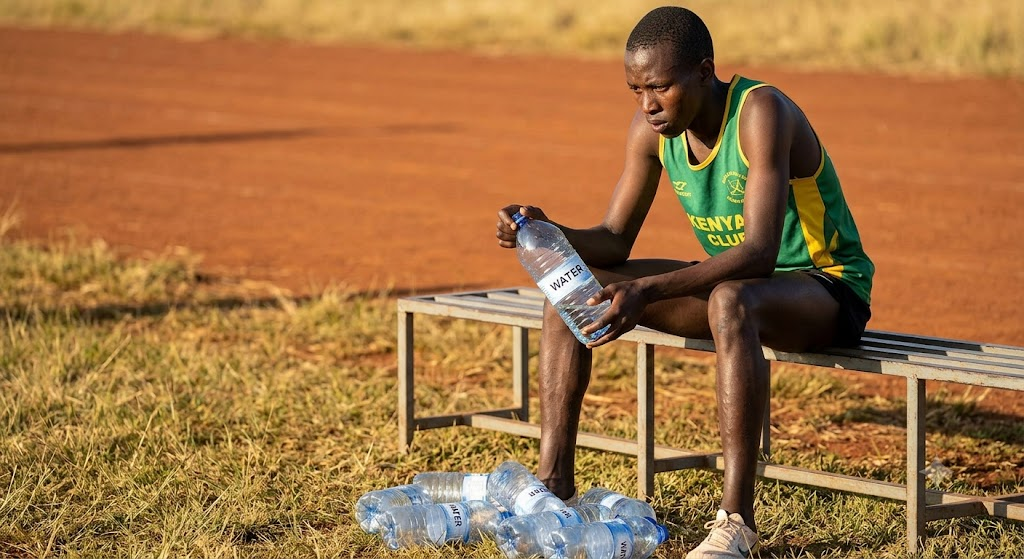
This happens when the sodium concentration in your blood drops dangerously low because excessive water has diluted your body’s natural salt levels.
The early warning signs of hyponatraemia include abdominal bloating, nausea, sharp headaches, and sudden muscle weakness. If you ignore these signs and keep drinking plain water during long physical activities, it can progress to confusion, seizures, or even full collapse on the pitch.
To stay safe during intense training sessions that last over an hour, a practical replacement strategy is necessary. You can add a small pinch of salt to your water bottle or use a simple electrolyte powder.
It is also best to drink primarily in response to actual thirst rather than forcing down large volumes of water before you start. Eating a well-balanced meal containing natural sodium before a match also helps your body hold onto the fluids you need to stay strong until the final whistle.