Advertisement
Foods that fuel endurance athletes
04th June, 2026 07:20 AM

Professional footballers heading into a World Cup match eat to a very specific formula: high-carbohydrate, electrolyte-rich meals that keep energy reserves full and muscles firing for ninety minutes or more.
Sports nutritionists charge a lot of money to design those meals. What they will not tell you is that the Kenyan kitchen has been running versions of that same playbook for generations.
As the tournament kicks off, here is a look at the everyday foods on your table that match (and in some cases exceed) the nutritional profile of elite pre-match nutrition, at a fraction of the price of commercial sports products.
Ugali, sweet potato and millet: the carbohydrate engine
Carbohydrates are the primary fuel for high-intensity exercise. A 2022 review in Sports Medicine by researchers at the University of Birmingham concluded that “high carbohydrate availability for prolonged intense exercise and competition performance remains a priority.”
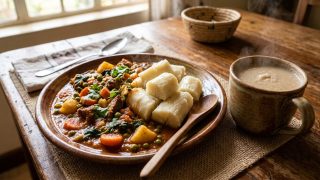
Ugali is one of the most carbohydrate-dense staple foods available anywhere, releasing energy steadily as the body demands it. A single serving of ugali made from white maize meal delivers roughly 60 to 70 grammes of carbohydrates, comparable to what sports dietitians prescribe in the hours before competition.
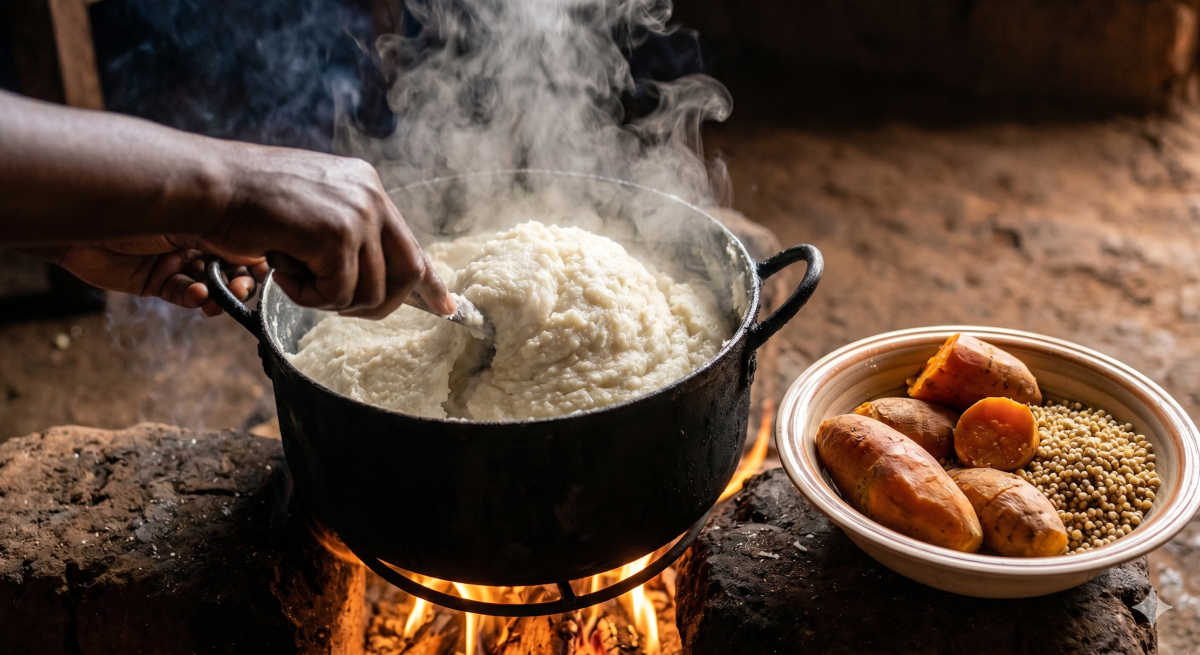
Sweet potato offers something extra: it is rich in complex carbohydrates and also carries beta-carotene, vitamin C, and potassium, making it closer to a whole sports supplement than a side dish.
Millet, often overlooked beside its more famous neighbours on the plate, provides a slower-burning carbohydrate profile alongside iron and magnesium – nutrients that support oxygen transport and muscle function during sustained effort.
For anyone watching the World Cup and wondering what players, long-distance runners or weekend footballers should be eating in the days leading up to a big match, the answer begins here.
Bananas and coconut water: the electrolyte combination
The second pillar of elite pre-match nutrition is hydration and electrolyte management. Athletes lose sodium, potassium, and magnesium through sweat, and replacing those minerals before and during exercise protects against cramps, fatigue, and a drop in performance.
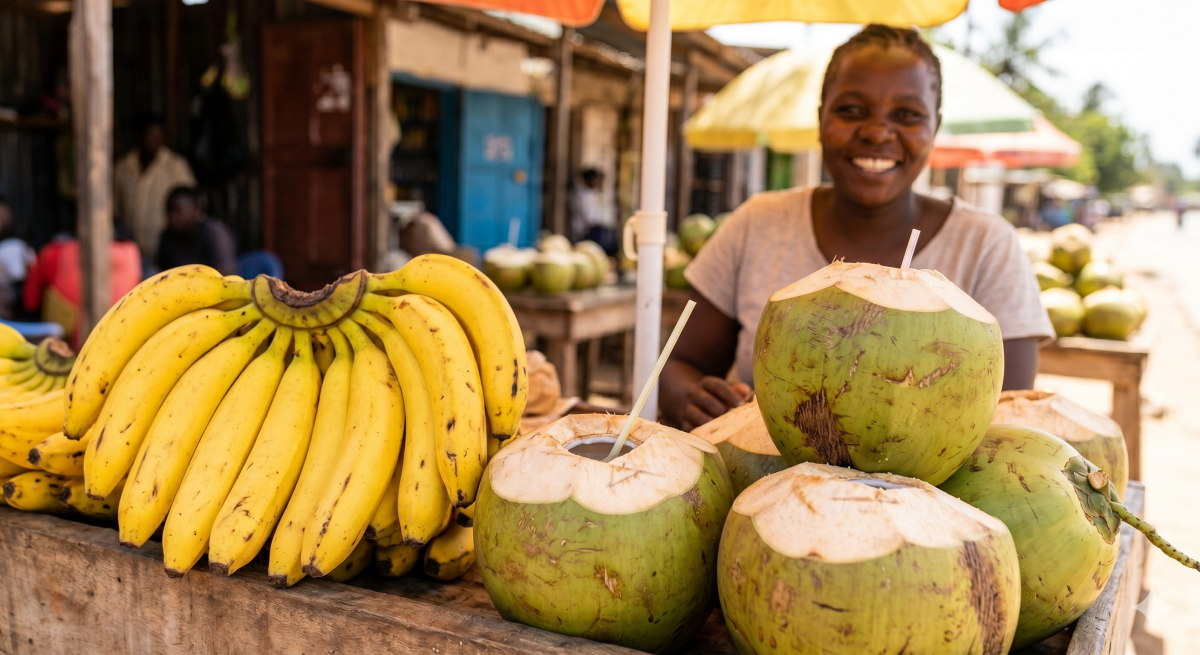
A banana provides around 420 milligrammes of potassium per fruit, along with natural sugars that are absorbed quickly into the bloodstream, making it one of the most effective and affordable pre-training snacks in existence.
Coconut water, which Kenyans along the coast have long regarded as a casual refreshment, turns out to be a legitimate performance drink.
A 2023 trial published in Sports found that “consuming coconut water had a similar effect on the cycling time trial performance and the physiological responses to consuming a commercially available sports drink.”
In other words, the madafu that costs next to nothing at a roadside stall performs on par with the branded bottles sold in sports shops.
The combination of a banana and a glass of fresh coconut water before a run or a match delivers potassium, natural carbohydrates, and fluid. The same trinity sports drink companies package and mark up considerably.