Advertisement
Health benefits of traditional ugali made from millet, sorghum, and cassava
22nd May, 2026 07:39 PM

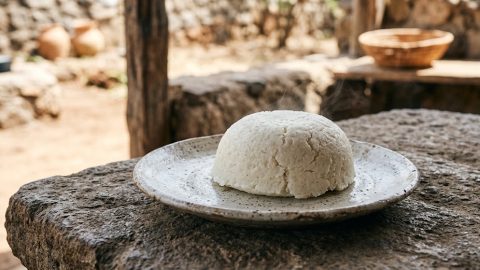
For many Kenyan families, ugali is more than just food. It is part of daily life, shared conversations and comfort at the dinner table. While maize ugali remains the most common, nutrition experts are now encouraging people to revisit traditional alternatives such as millet, sorghum, and cassava flour.
These older grains and tubers, once considered “village foods,” are slowly finding their way back into the kitchen because of their health benefits.
A traditional meal making a comeback
Before refined maize flour became widely available, many communities relied on millet, sorghum and cassava as staple foods. Today, these traditional options are gaining attention again as cases of lifestyle diseases such as diabetes, high blood pressure and obesity continue to rise.
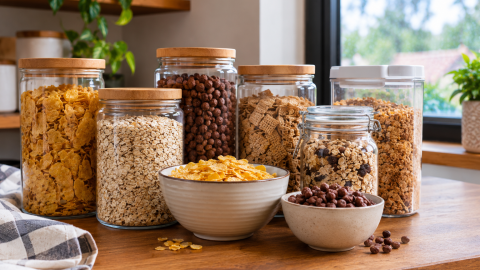
Nutritionists say millet and sorghum contain more fibre compared to refined maize flour. Fibre helps the body digest food slowly, making a person feel full for longer and helping control blood sugar levels. Cassava, especially when mixed with whole-grain flour, is also valued for being naturally gluten-free.
According to the Kenya Agricultural and Livestock Research Organisation, traditional grains such as millet and sorghum are rich in iron, calcium and antioxidants that support overall body health. These nutrients are important for strengthening bones, improving digestion and boosting immunity.
A nutrition report by the Ministry of Health has also encouraged the consumption of indigenous foods for their nutritional value and support of healthy eating habits.
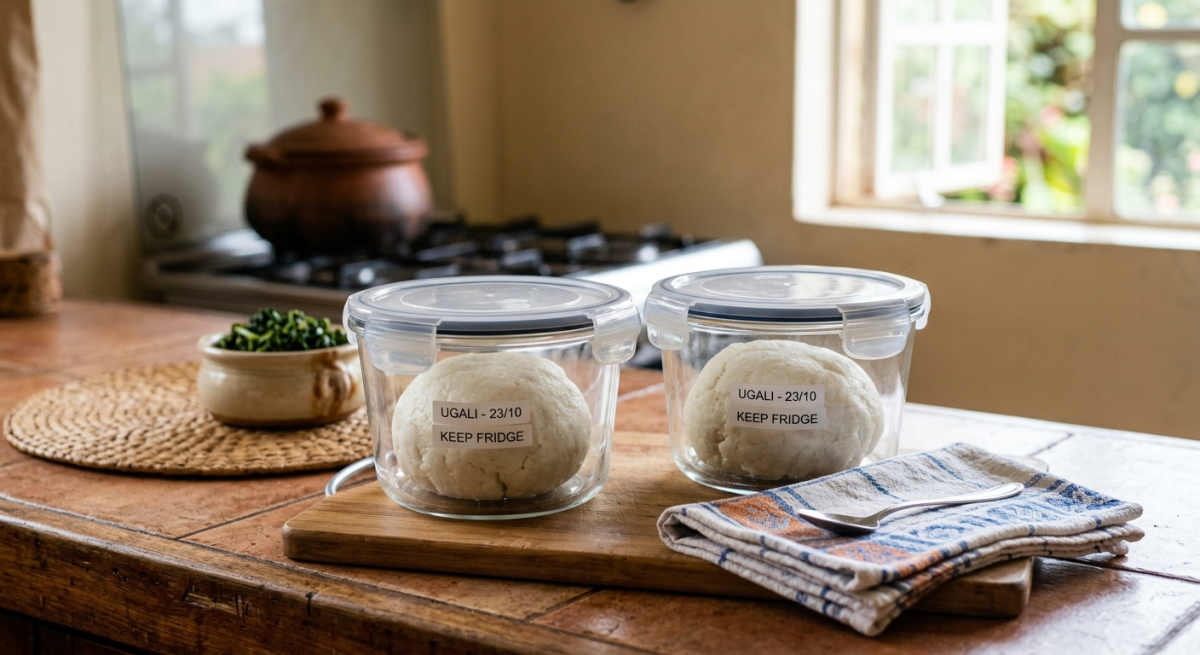
Why nutrition experts recommend it
One major difference between traditional ugali and highly processed maize flour is the level of processing. Refined maize flour often loses part of its nutrients during milling, while whole millet and sorghum flour retain more natural minerals and fibre.
Millet is especially known for its high magnesium content, which helps in supporting heart health. Sorghum contains antioxidants believed to help reduce inflammation in the body. Cassava flour, when prepared well and mixed with other grains, can also provide energy while supporting gut health
Many people are also turning to these alternatives because they are more filling. A small serving can keep someone satisfied for longer hours compared to highly refined meals.
Changing eating habits in urban homes
Health-conscious families are now mixing maize flour with millet or sorghum to improve the nutritional value of their meals. Some prefer pure millet ugali, while others combine cassava and sorghum flour for a softer texture and flavoured taste.
Local markets and supermarkets have also started stocking more blended flour options as demand continues to grow. Nutrition experts said this shift is not just about following trends but reconnecting with foods that sustained communities for generations.