Advertisement
Singapore and other Countries that use traffic cameras and automated fines to catch motorists
08th June, 2026 02:57 PM

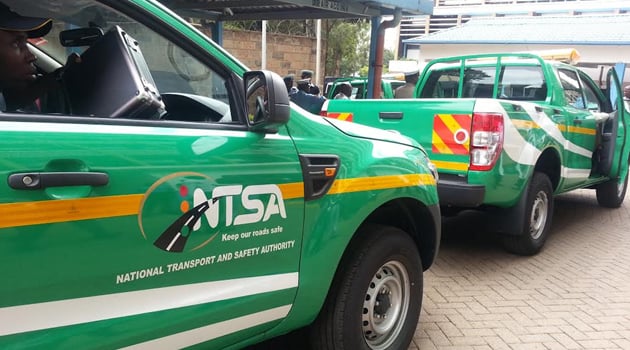
Searches for “automated traffic fines Kenya” have surged in recent days after the National Transport and Safety Authority (NTSA) announced plans to introduce a technology-based traffic enforcement system before the rollout was temporarily suspended by the courts.
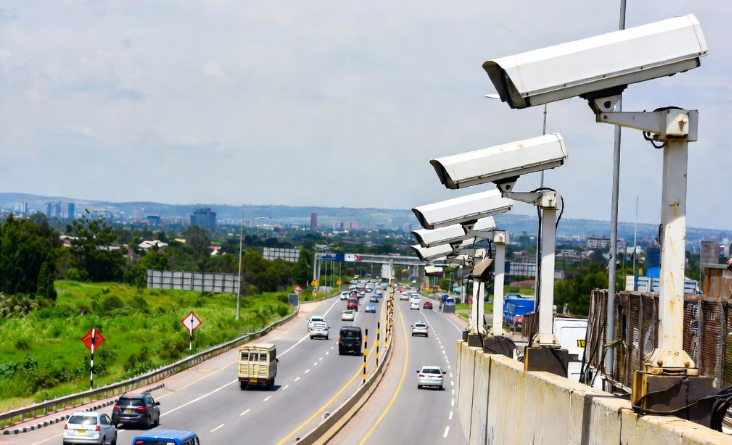
Under the proposed system, traffic offences such as speeding and other road violations would be detected using cameras and digital monitoring tools rather than relying entirely on police officers stationed on roads.
Motorists would then receive notifications electronically, allowing authorities to enforce traffic laws using technology.
While the debate continues in Kenya, the concept of automated traffic fines is far from new.
Several countries around the world have used traffic cameras, speed detection systems and automated penalties for years as part of broader efforts to reduce accidents, improve road safety and encourage compliance with traffic laws.
Here are the countries that use traffic cameras and automated fines.
United Kingdom
The United Kingdom is among the pioneers of automated traffic enforcement. Speed cameras have been used on British roads for decades to detect motorists who exceed speed limits.
Authorities use both fixed cameras installed at specific locations and average speed cameras that calculate a vehicle’s speed between two points.
Research conducted in the country has found that speed cameras contribute to reductions in road accidents and fatalities, particularly on roads with a history of serious crashes.
The UK also uses automatic number plate recognition technology, which can identify vehicles and assist authorities in enforcing traffic laws.
Singapore
Singapore operates one of the world’s most advanced traffic enforcement systems.
The city-state relies heavily on cameras and digital monitoring to detect speeding, red light violations and other dangerous driving behaviours.
Traffic cameras are positioned across major roads and intersections, allowing authorities to monitor compliance in real time. Offenders can receive penalties without direct interaction with police officers.
Singapore’s approach is often cited as an example of how technology can support road safety in densely populated urban environments where traffic volumes are high.
Sweden
Sweden is internationally recognised for its Vision Zero policy, an ambitious road safety strategy aimed at eliminating traffic deaths and serious injuries.
As part of this effort, the country uses automated speed cameras on major highways and high-risk roads. Authorities argue that the cameras encourage drivers to maintain safe speeds while reducing the likelihood of fatal crashes.
The Swedish model focuses less on punishment and more on preventing accidents before they occur.
Australia
Australia has extensively adopted both fixed and mobile speed cameras. These cameras are used across cities, highways and regional roads to monitor speeding and other traffic violations.
Road safety agencies in Australia maintain that camera enforcement helps deter dangerous driving and encourages long term compliance with traffic regulations.
Several Australian states also use mobile camera units that can be deployed to different locations, making enforcement less predictable and more widespread.
Could Kenya follow the same path?
Kenya’s proposed automated traffic fines system remains the subject of ongoing legal proceedings.
Questions surrounding privacy, data protection, public participation and due process continue to be debated in court.
However, experiences from countries such as the United Kingdom, Singapore, Sweden and Australia show that automated traffic enforcement is becoming increasingly common worldwide.
Supporters believe traffic cameras can improve road safety, reduce speeding and minimise opportunities for corruption.
Critics, however, argue that strong safeguards are needed to protect motorists’ rights and personal data.
As Kenya weighs its next move, one thing is clear. The discussion about automated traffic fines is not just about technology.
It is about finding a balance between safer roads, effective law enforcement and the rights of motorists.