Advertisement
What happens to phone battery health when left at zero for weeks
19th August, 2026 08:51 PM

Many people keep an old smartphone in a drawer as a backup device for emergencies or extra business lines. When a phone dies, most people assume that plugging it into a charger will easily bring it back to life.
However, leaving a mobile phone sitting completely flat at zero per cent for several weeks can permanently ruin the battery. When you finally try to switch it on, nothing happens.
What happens inside a dead battery
Modern smartphones run on lithium-ion batteries that require a minimum amount of electrical power to stay stable. Even after a handset shuts down at zero per cent, a tiny hidden power reserve stays behind to protect internal parts.
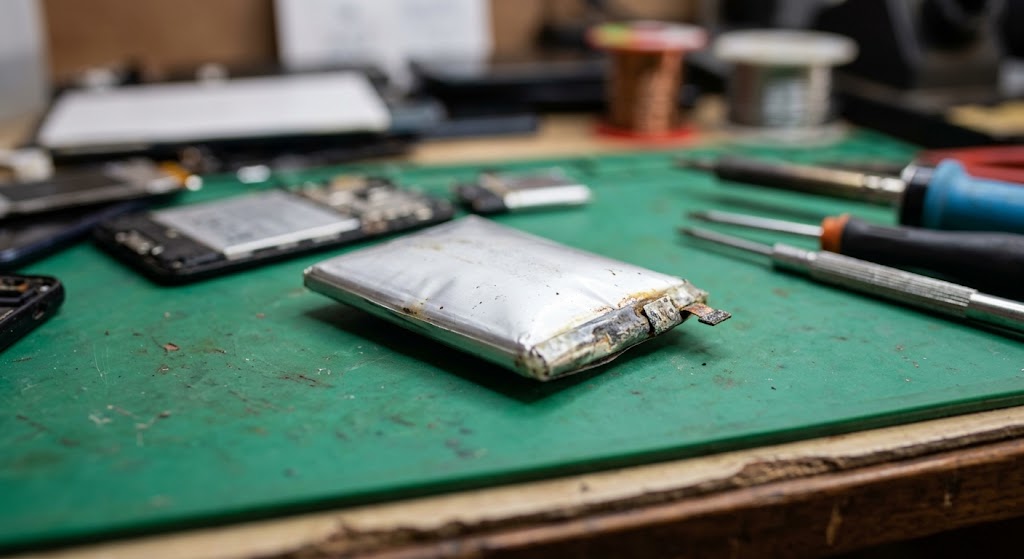
Over several weeks of non-use, natural power leakage drains this small reserve, forcing the battery into a state of deep discharge.
Once internal power drops below a safe limit, metals inside the battery start breaking down. In a peer-reviewed study examining deep discharge, researchers noted that during extreme power loss, “the copper collector of the anode is dissolved and copper is deposited on the cathode surface.”
This dissolved copper forms tiny metal threads that bridge internal parts, creating short circuits. When you connect a charger, the phone’s safety system detects this physical damage and locks the battery permanently to stop overheating or fire hazards.
How to store spare phones safely
Preventing this total battery failure takes very little effort. Instead of storing a handset completely flat or fully charged to 100 per cent, battery experts recommend leaving idle phones at about 50 per cent charge.

Maintaining a half-full charge creates a balanced internal environment, giving the battery enough reserve power to survive months of slow leakage without reaching dangerous levels.
For secondary devices kept in storage, check them every three to six months and charge them back up to 50 per cent. Keeping spare phones in a cool place away from direct sunlight also protects battery health, because high heat accelerates internal decay.