Advertisement
Signs clothes’ colour will fade before you buy them
15th April, 2026 04:37 PM
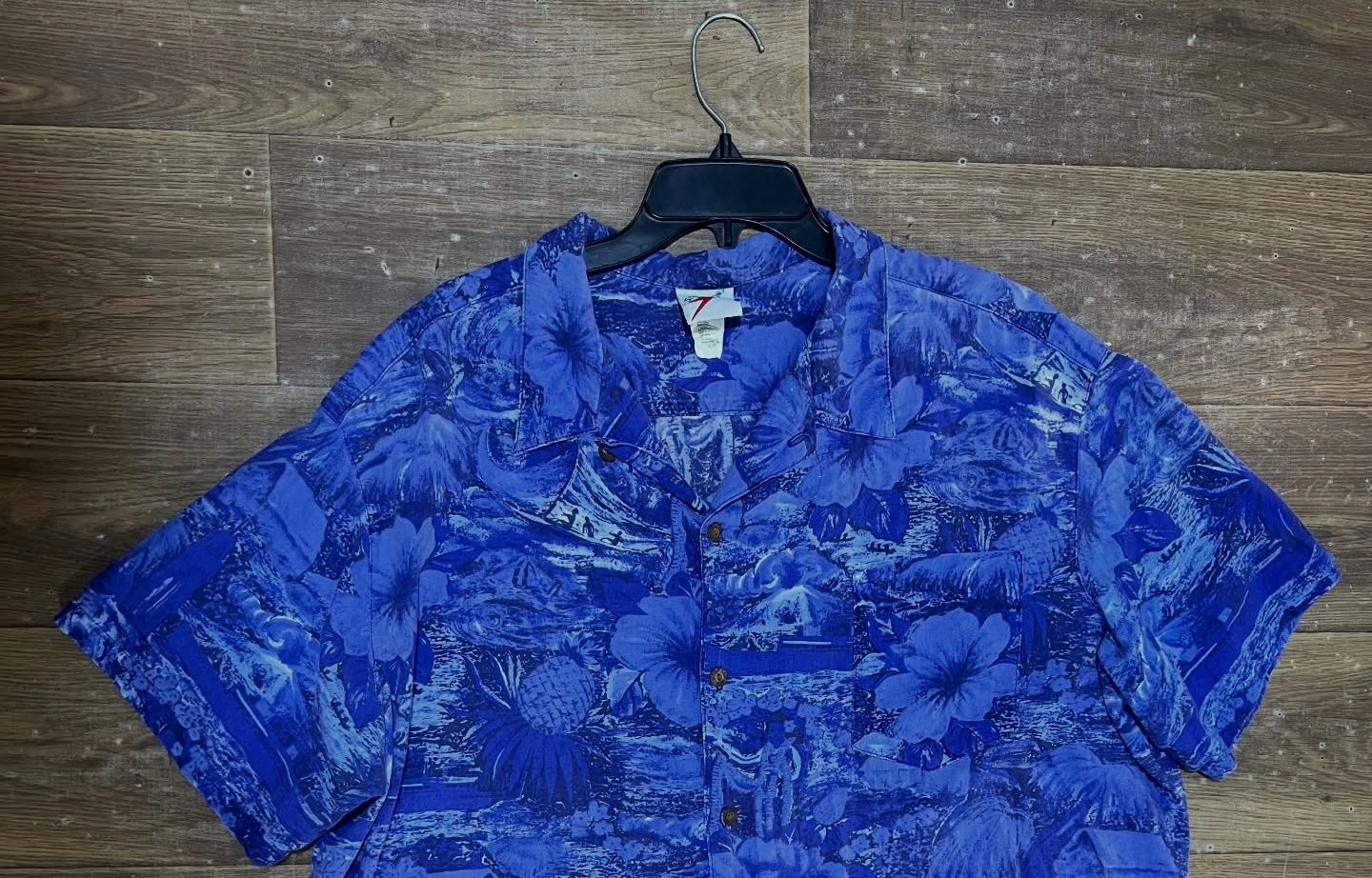
Few things are more frustrating than buying clothes that look rich and vibrant in the shop, only for the colour to fade after one or two washes.
A shirt that turns dull, jeans that bleed onto other clothes or a dress that quickly loses its original shade can feel like wasted money.
Many buyers assume fading only depends on how clothes are washed at home.
Washing habits do matter, but colour loss often begins much earlier, during fabric production, dyeing and finishing.
In simple terms, some garments leave the shop already at risk of fading.
The good news is that there are warning signs you can spot before paying.
Colour rubs off easily
One of the quickest checks is gentle rubbing. Use a clean white tissue, handkerchief or even your fingers on an unseen part of the fabric.
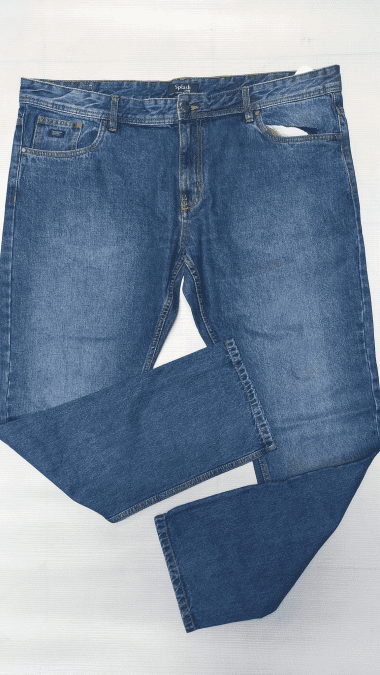
If colour transfers easily, the dye may not be well fixed to the fibres. That can be a sign the garment may bleed during washing or lose brightness quickly.
This is especially worth checking on dark colours such as black, navy, red and deep blue.
Uneven shade on the fabric
Look closely under good light. Does the garment have patches that appear darker, lighter or cloudy in places without a design reason?
Uneven colouring can suggest inconsistent dyeing or poor finishing. If the shade already looks irregular when new, it may become worse after washing.
A quality garment usually has a consistent tone unless the style is intentionally washed, faded or distressed.
Strong chemical smell
A sharp chemical smell does not automatically mean the item is dangerous, but it can sometimes point to rushed processing or excess finishing chemicals.
Well-made clothes may have a “new fabric” smell, but overpowering odours can be a sign the garment needs better finishing or proper airing.
If something smells harsh enough to make you uncomfortable, think twice.
Rough or powdery surface
Run your hand over the fabric. Does it feel dry, chalky or leave a dusty residue?
Poor-quality dyeing or finishing can affect how the surface feels. Some fabrics may also have excess dye particles that wash away quickly.
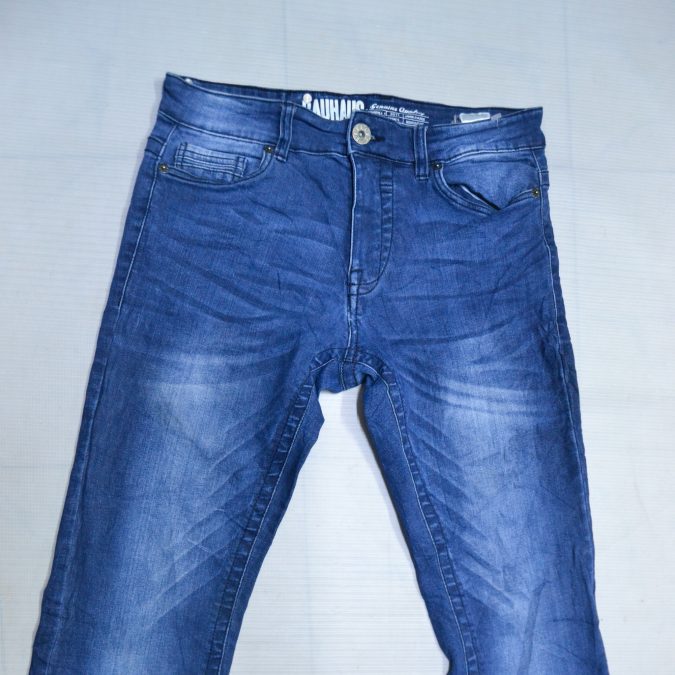
Smooth, well-finished fabric often suggests better processing, though fabric type still matters.
The care label gives warnings
Always read the care label. Many buyers skip this step.
If the label says wash separately, colour may transfer during early washes. If it requires cold wash only, no bleach and shade drying, it may need gentler care to preserve colour.
That does not mean the item is bad. It means you should know what it needs before buying.
Extremely cheap price with bold colours
Low price alone does not prove poor quality. Some affordable clothes are excellent.
But when a heavily dyed item is priced far below the normal market range, it is wise to inspect it carefully.
Cheap production sometimes cuts corners on dye quality, colour fixing or finishing.
Stitching and finishing look rushed
Check seams, hems, buttons and edges. If stitching is loose and finishing is careless, colour quality may also have been compromised.
Attention to detail in construction often reflects attention to detail in dyeing and fabric treatment.
Fabric type matters too
Some fabrics naturally hold colour better than others. Quality cotton, denim, polyester blends and properly treated synthetics can perform well.
Very thin, loosely woven or poor-grade fabrics may fade faster regardless of appearance.
That is why colour and fabric quality should be judged together.
Smart buying tips
Shop in good lighting.
Touch the fabric.
Inspect hidden areas.
Read the label.
Be cautious with very cheap, heavily dyed items.
Buy from trusted sellers when possible.
A few extra minutes of checking can save months of disappointment.
Colour fading is not always visible at first glance, but many warning signs are there if you know where to look.
Rubbing colour transfer, uneven shade, rough texture, weak finishing and ignored care labels can all signal trouble ahead.
A smart buyer does not only choose what looks good today. They choose what will still look good after many washes.