Advertisement
School fires: 6 questions every active parent should ask their child’s school
08th June, 2026 07:32 PM

Education Principal Secretary Julius Bitok’s mock exams directive has sparked debate across Kenya after he urged schools to consider postponing mock examinations if students are experiencing tension and anxiety.
The remarks came amid a wave of unrest in secondary schools, with some institutions reporting fires, property destruction and temporary disruptions to learning.
Bitok argued that school administrators should engage students through dialogue rather than forcing them into examinations when tensions are already high.
While the conversation has largely focused on exams, the developments have raised a broader question for many parents: beyond academic pressure, how safe are schools for learners?
The discussion comes at a time when the country is still reflecting on the tragic Utumishi Girls Academy dormitory fire and other recent incidents that have put student welfare and school safety under the spotlight.
What is Julius Bitok’s mock exams directive mean

At the heart of the directive is a concern about student well-being.
Psychologists have long noted that teenagers experience stress differently from adults because their brains are still developing.
During periods of intense academic pressure, the body releases stress hormones such as cortisol and adrenaline.
While these chemicals help people respond to challenges, prolonged exposure can affect concentration, memory, sleep and emotional regulation.
For students facing mock examinations, academic expectations, peer competition and fears about future performance can create significant pressure.
When schools fail to identify these warning signs early, stress may manifest through withdrawal, anxiety, emotional outbursts or other behavioural changes.
Experts say examinations are not necessarily the problem.
Rather, they can expose deeper emotional and psychological pressures that students may already be carrying.
1. Do dormitory exits open outward and without a key?
One of the most important questions parents can ask is whether dormitory exits can be opened quickly during an emergency.

Fire safety experts recommend that emergency exits should open outward with a single push and should never require a key from the inside.
In a panic situation, even a few seconds can mean the difference between safety and tragedy.
Parents should also ask whether dormitories have alternative escape routes and whether windows are blocked by permanent metal grilles that could hinder evacuation.
2. Are smoke detectors installed in dormitories?
Many fires become deadly because they are discovered too late.
Smoke detectors provide an early warning, particularly during the night when students are asleep.
Safety experts note that smoke often poses a greater danger than flames because it can spread rapidly through enclosed spaces.
Parents can ask schools whether dormitories and corridors are equipped with functioning smoke or heat detectors and how often the devices are tested.
3. Are fire extinguishers visible and accessible?
A fire extinguisher can help contain a small fire before it spreads.
However, extinguishers are only useful if they are easy to access and in working condition.
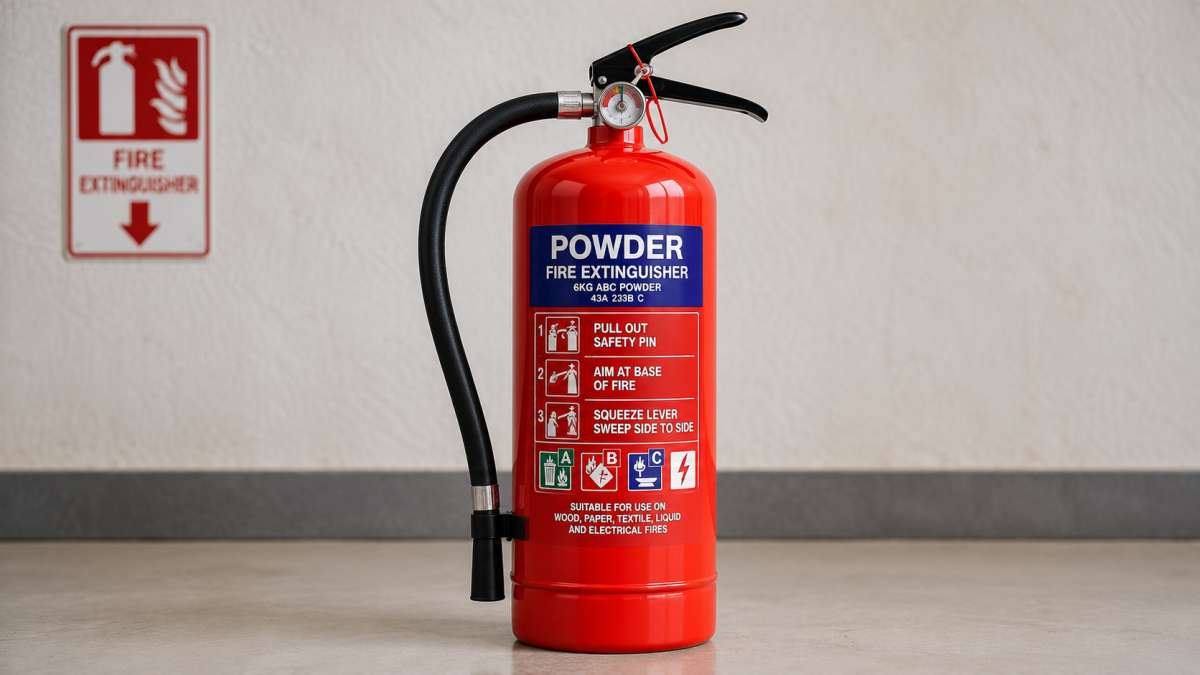
Parents should find out whether fire extinguishers are available on every floor of dormitory blocks and whether school staff receive training on how to use them.
Regular inspections and maintenance are equally important to ensure the equipment functions when needed.
4. Does the school have a working fire alarm system?
A fire alarm system serves one critical purpose: alerting everyone to danger immediately.
Experts recommend alarms that are loud enough to wake sleeping students and remain operational even during power outages.
Backup power systems are particularly important because emergencies can sometimes disrupt electricity supplies.
Knowing how students would be alerted during a nighttime emergency is a question every parent has a right to ask.
5. Can students find emergency exits during a blackout?
Visibility often becomes a challenge during emergencies.
Exit signs should remain visible even when electricity fails. Illuminated or glow-in-the-dark signs can help direct students toward safe evacuation routes during smoke-filled or dark conditions.
Parents may wish to ask whether emergency exits are clearly marked throughout dormitory buildings.
6. Are first aid kits available around the clock?
The moments immediately after an emergency are often critical.
Accessible first aid kits can help provide immediate care for burns, cuts, smoke inhalation and other injuries while professional medical assistance is on the way.
Schools should have fully stocked kits that are available 24 hours a day, along with staff members trained in basic first aid procedures.
Why parents should ask these questions now
Julius Bitok’s mock exams directive has opened an important national conversation about student stress, communication and wellbeing.
Yet recent events have also highlighted the need for parents to take an active interest in school safety.
Academic success remains important, but every parent shares a more fundamental priority: ensuring their child returns home safely.
By asking the right questions about fire preparedness, emergency response and student welfare, parents can play an important role in helping schools create safer learning environments for every child.