Advertisement
The science of comfort food – why certain dishes reduce stress
15th June, 2026 03:09 PM
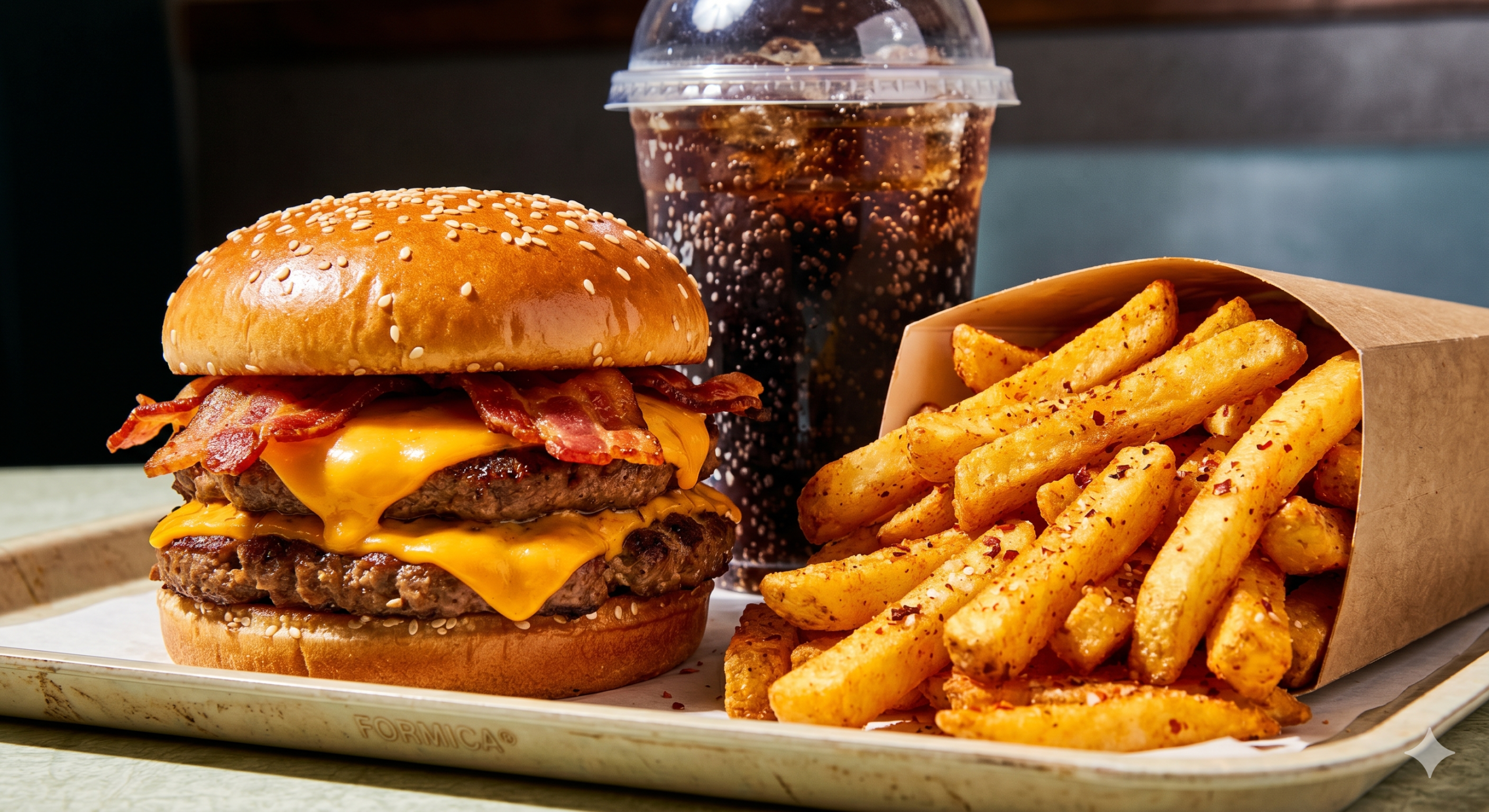
Bad day. Big stress. The chips are open before you’ve finished a thought about it. The soda is cold, the fries are hot, and for a few minutes, everything feels manageable again.
When you eat food high in fat and sugar, two separate neural pathways fire at once, both connecting to the brain’s reward centre.
Dopamine, the chemical behind motivation and pleasure, floods in. Serotonin follows. The stress quiets.
Your body logs this as a solution and files it away for next time. This is why junk food feels like comfort. For a moment, it genuinely is.
The problem is what happens after that moment.
The short-term trade-off
Dr Christine Ferguson, a nutrition researcher at the University of Alabama at Birmingham, states: “People often turn to comfort foods for coping because these raise dopamine and serotonin, which may make people feel better in the short term. The challenge is that these foods are often high in saturated fat and added sugar, which can worsen cortisol levels and stress over time.”

Cortisol is the hormone your body releases under stress. The foods that feel most comforting (the chips, the fried chicken, the sugary drinks) give you immediate relief but push cortisol higher in the long run.
So the next stressful day arrives with your baseline already elevated. You reach for the same fix. The cycle repeats.
Repeat this often enough and the brain’s dopamine system starts to shift. The reward becomes less satisfying, so you need more of it to feel the same relief.
What the numbers say
A 2024 analysis published in BMC Psychiatry, reviewing 17 studies covering nearly 160,000 adults, found that “Regular junk food consumption is linked to a 16 per cent increase in the odds of developing mental health problems, including depression and psychological stress.”
The same analysis found that junk food eaters had 31 per cent higher odds of experiencing heightened stress symptoms compared to those who ate it infrequently or not at all.
This does not mean one packet of crisps is dangerous. Occasional is fine. What the research flags is when junk food stops being a sometimes thing and becomes the go-to every time life gets heavy.