Advertisement
Mock crucifixions and 4 unique practices during Easter
02nd April, 2026 11:02 AM
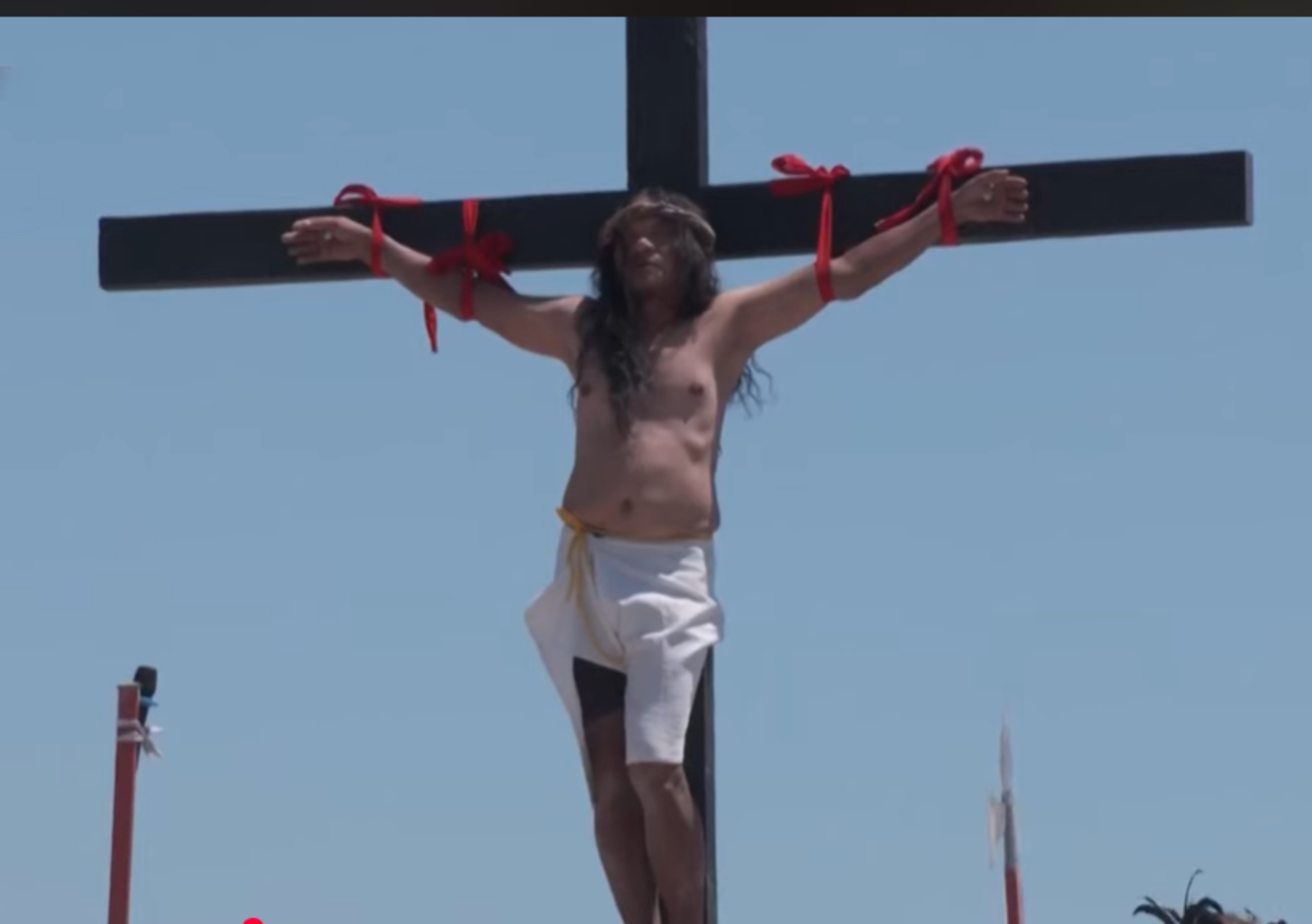
Easter is celebrated worldwide with a mix of solemn traditions and unique cultural rituals.
While many participate in familiar services, some communities observe extraordinary practices that highlight faith, devotion, and heritage.
Here are five notable ways Easter is observed globally.
Way of the Cross
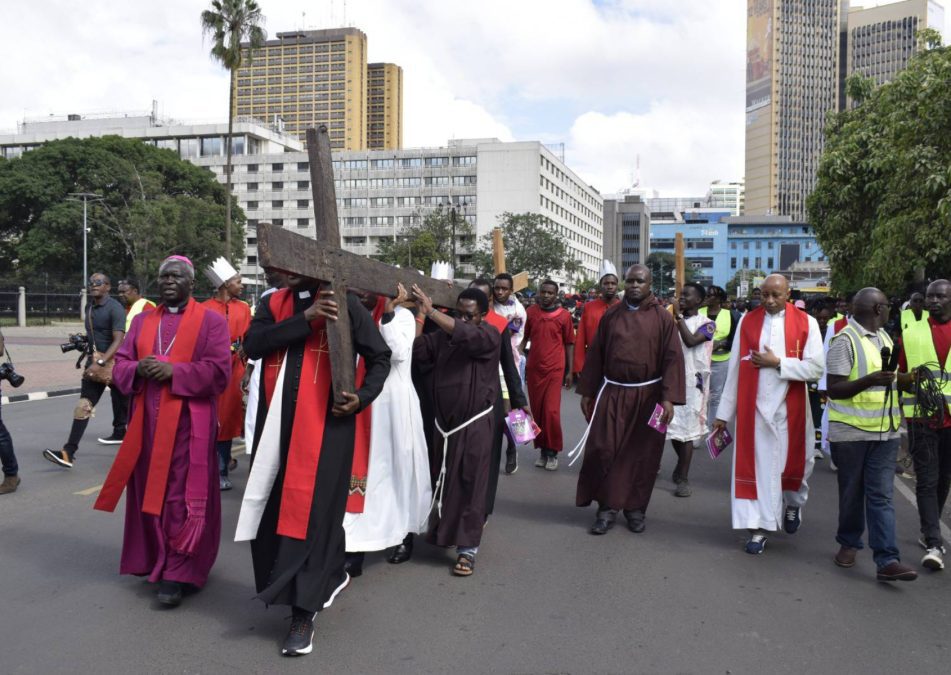
One of the most widely practised traditions by the Roman Catholics is the Way of the Cross. Known also as the Stations of the Cross, this timeless practice invites Catholics to walk prayerfully with Jesus Christ as He makes His way to Calvary.
It involves commemorating the 14 stations of Jesus Christ’s journey to the crucifixion. Participants often walk designated routes, pray, and reflect on Christ’s suffering.
This ritual is both spiritual and meditative, forming the backbone of many Easter celebrations worldwide.
Voluntary self-crucifixions
Observed in parts of the Philippines, some devotees engage in voluntary self-crucifixions, allowing themselves to be nailed to crosses as an extreme act of devotion and penance.
These acts, though controversial, symbolise solidarity with Christ’s suffering and are carried out voluntarily under deep religious conviction.
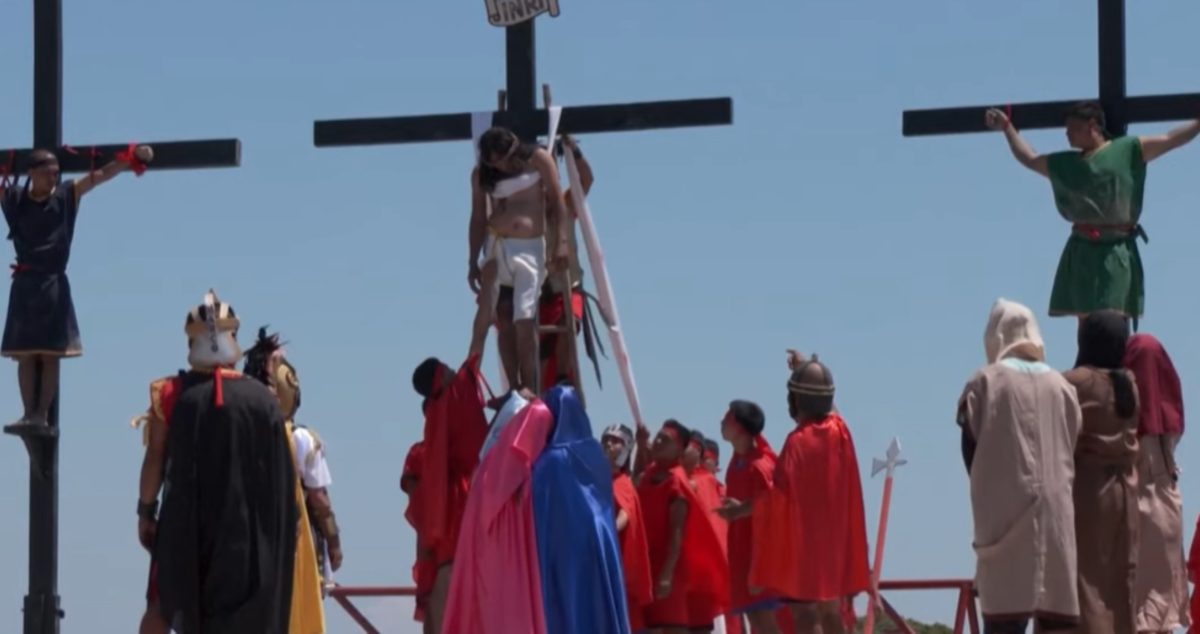
Mock crucifixions
In addition to self-crucifixions, some communities stage mock crucifixions during Easter. Participants may reenact the crucifixion using actors, wooden crosses, and symbolic nails.
This form of devotion dramatises the Passion of Christ while ensuring the safety of those involved.
Easter vigil
During Easter Eve, many churches hold the Easter Vigil, a solemn evening service marking the resurrection of Jesus. Part of the ritual often includes the washing of the feet, symbolising humility, service, and the example set by Christ during the Last Supper.
This practice emphasises spiritual renewal and reflection.
Cultural Easter celebrations
Across the globe, Easter is also celebrated through unique local traditions.
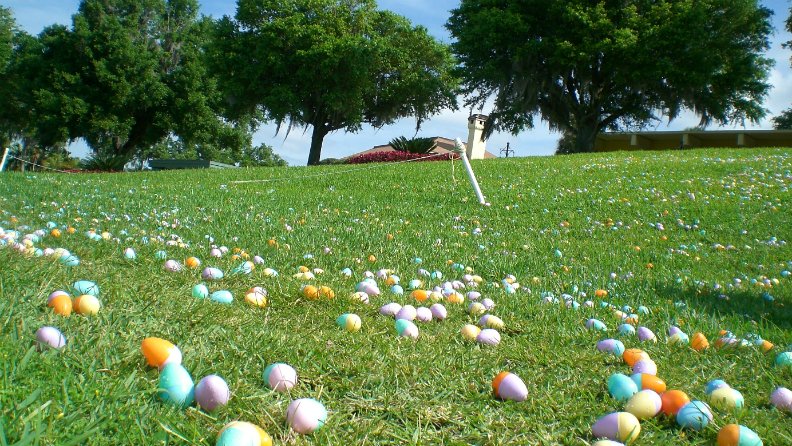
From colourful egg decorations in Europe to passion plays in Latin America, these celebrations combine religious devotion with cultural heritage, showcasing the diversity of how communities honour the holiday.
From the solemn Way of the Cross to the extreme devotion of voluntary self-crucifixions, Easter is observed in ways that range from reflective and meditative to dramatic and symbolic.
These rituals highlight faith, tradition, and the rich cultural tapestry surrounding one of the most important holidays in Christianity.