Advertisement
Why June marks men’s mental health awareness month
02nd June, 2026 09:04 AM
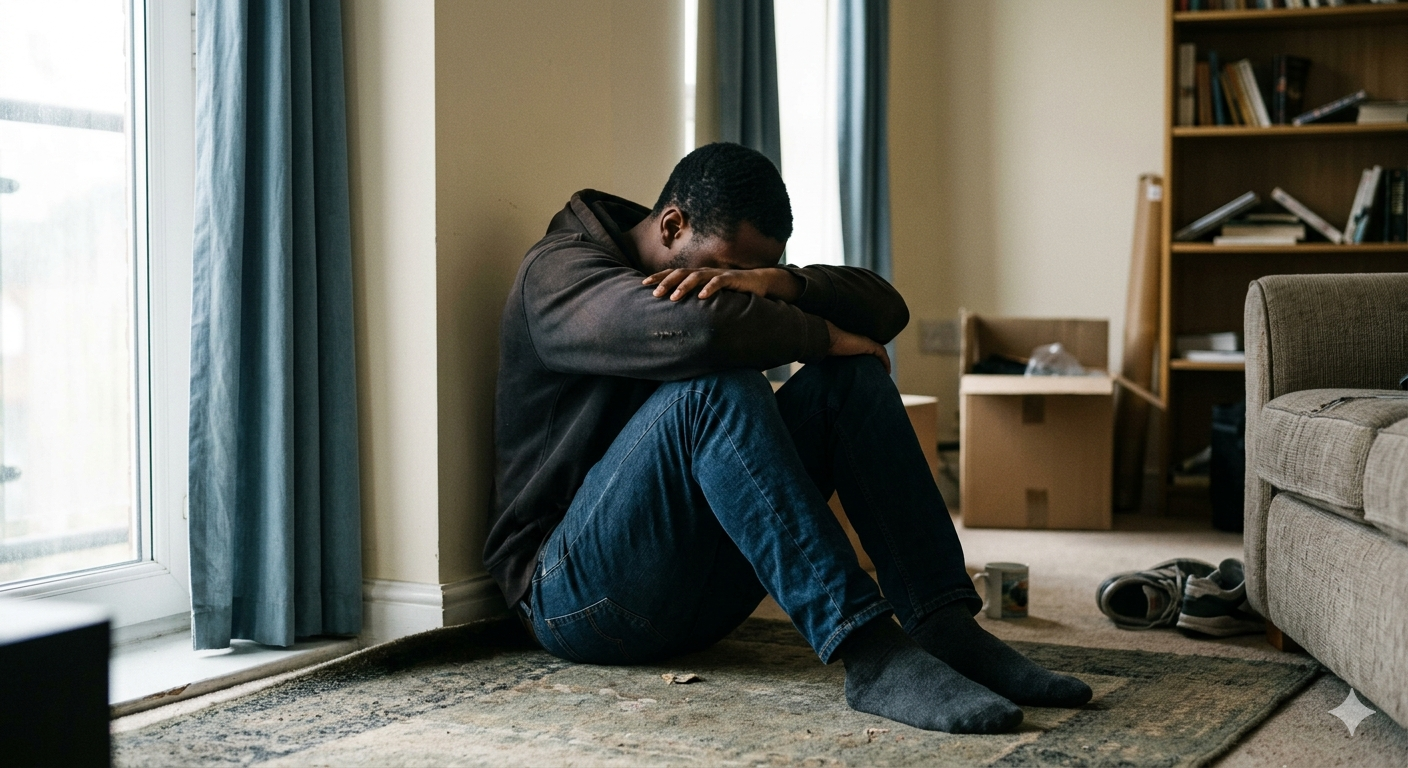
June is recognised as Men’s Mental Health Awareness Month, a period dedicated to highlighting the mental well-being challenges that many men face and encouraging open conversations about emotional health. Despite growing awareness, mental health remains a topic that many men find difficult to discuss openly.
The World Health Organisation (WHO) stated that mental health is a fundamental part of overall health and wellbeing, influencing how people think, feel and behave. Yet many men continue to suffer in silence due to societal expectations that associate masculinity with strength and emotional restraint.
The pressure to stay strong
Across many communities, men are often expected to remain strong regardless of the challenges they face. While resilience is an important quality, experts warn that constantly suppressing emotions can have negative consequences.

According to the National Health Service (NHS), mental health conditions such as depression and anxiety can affect anyone, regardless of age or background. However, men are less likely than women to seek professional support for emotional difficulties.
Mental health advocates said this reluctance is often driven by fear of judgment, stigma, and the belief that asking for help is a sign of weakness. As a result, some men choose to keep their struggles private, even when they are experiencing significant emotional distress.
A common message promoted during mental health awareness campaigns is: “It’s okay not to be okay, and it’s okay to ask for help.”
Recognising the signs early
Mental health challenges do not always present themselves in obvious ways. While some individuals may experience persistent sadness or anxiety, others may show changes in behaviour.
The Mental Health Foundation noted that warning signs can include prolonged stress, irritability, difficulty sleeping, loss of interest in favourite activities, social withdrawal, and trouble concentrating. In some cases, emotional distress may be expressed through anger or risk-taking behaviour rather than sadness.

Recognising these signs early can help prevent mental health conditions from worsening. Seeking support from healthcare professionals, counsellors, or trusted family members can make a significant difference.
Early intervention often improves recovery outcomes and helps individuals develop healthy coping strategies before problems become more severe.
Building a supportive environment
Mental health organisations say one of the most effective ways to improve men’s wellbeing is by creating environments where open conversations are encouraged.
Meaningful social connections play a key role in protecting mental health. Regular conversations with friends, family members or colleagues can help reduce feelings of isolation and provide emotional support during difficult periods.

Experts also recommend maintaining healthy lifestyle habits such as regular physical activity, adequate sleep, balanced nutrition and stress management techniques. While these habits do not replace professional treatment when needed, they can contribute positively to overall mental well-being.
As Men’s Mental Health Awareness Month is observed, health professionals continue to encourage men to prioritise their emotional wellbeing just as they would their physical health. Breaking the silence surrounding mental health may help more men access support, strengthen relationships and lead healthier lives.