Advertisement
Why volunteering is good for your mental health
08th May, 2026 11:13 AM
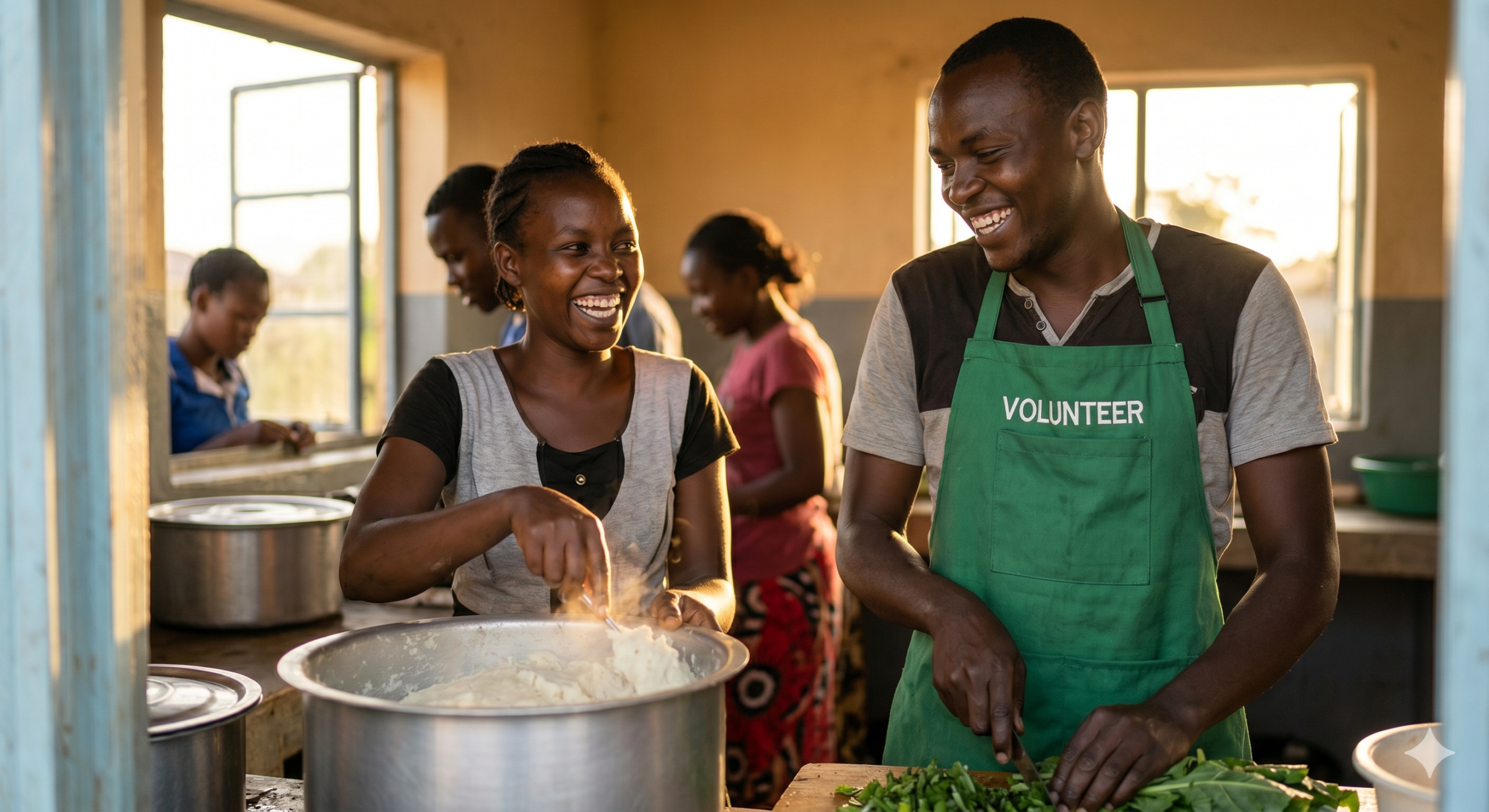
There is a mental health intervention that costs nothing, requires no prescription, and is available to almost anyone. And yet most people overlook it entirely. It is volunteering.
A growing body of peer-reviewed research shows that giving your time to a cause, a community, or a person in need produces measurable improvements in mood, life satisfaction, and overall well-being.
And the effects go further than you might expect.
A 2023 review published in the journal Voluntas found that volunteering is consistently linked to “reduced depression, purposefulness, pride and empowerment, and improved quality of life.”
But the most powerful discovery in all the research was this: volunteering is strongly linked to living a longer life.
The same review found consistent evidence linking regular volunteering to greater psychological well-being and a deeper sense of community.
Read that again: people who volunteer regularly tend to live longer.
Why it works the way it does
Volunteering gives people a reason to leave the house, interact with others, and feel needed – three factors independently associated with better mental health.
It disrupts the kind of inward spiral that feeds anxiety and low mood.
But not all volunteering produces the same result.
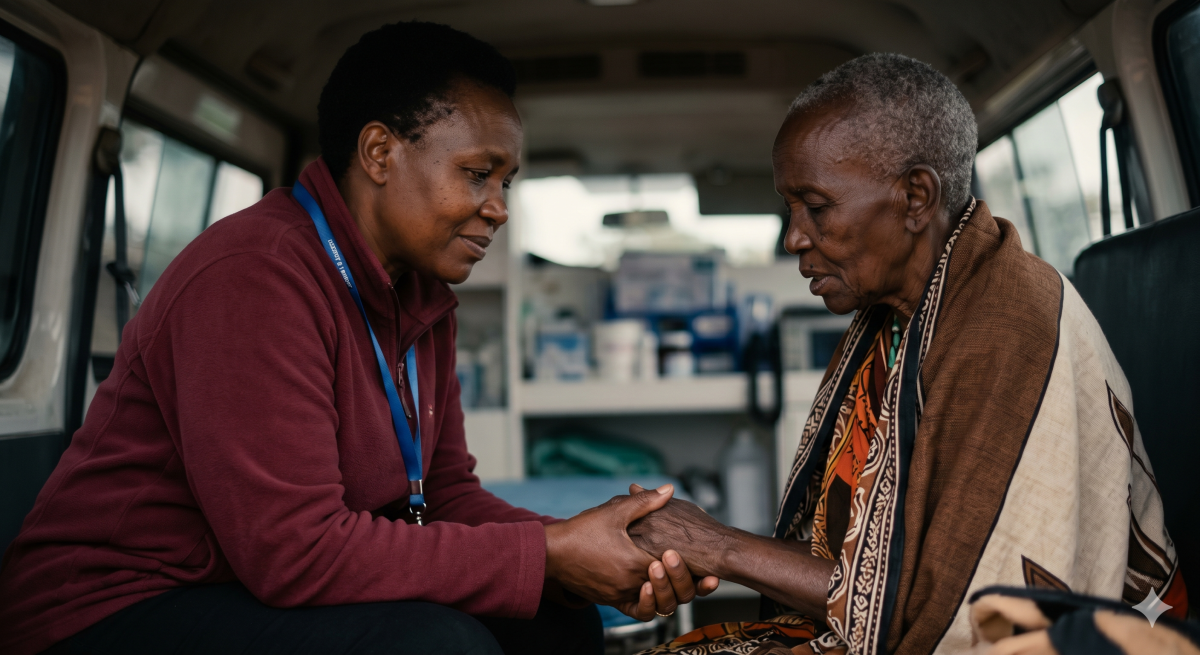
A peer-reviewed study drawing on a population survey of over 1,500 adults found that “other-oriented volunteering had significantly stronger effects on the health outcomes of mental and physical health, life satisfaction, and social well-being than did self-oriented volunteering.”
In short: the less you are thinking about yourself, the more you tend to benefit.
This tracks with what researchers call the ‘helper’s high’ – the neurological lift that comes from doing something genuinely useful for someone else.
Types of volunteering that seem to work best
A few patterns stand out.
Regular, long-term commitment matters more than a one-off gesture.
Studies consistently show that sustained volunteering (such as turning up week after week to the same feeding programme, tutoring initiative, or conservation project) produces stronger mental health benefits than short bursts of goodwill. Consistency builds identity, and identity is protective.

Direct, face-to-face service tends to outperform behind-the-scenes roles, at least for mood and depression outcomes.
Sitting across from someone and genuinely helping them creates a relational warmth that spreadsheet work simply cannot replicate.
Behind-the-scenes volunteers still benefit, but they just tend to benefit less dramatically.
Feeling appreciated also matters. If you are going to give your time, find an organisation that actually values it.