Advertisement
Gachagua impeachment case: Why waiting for important news feels so stressful
08th June, 2026 05:52 PM
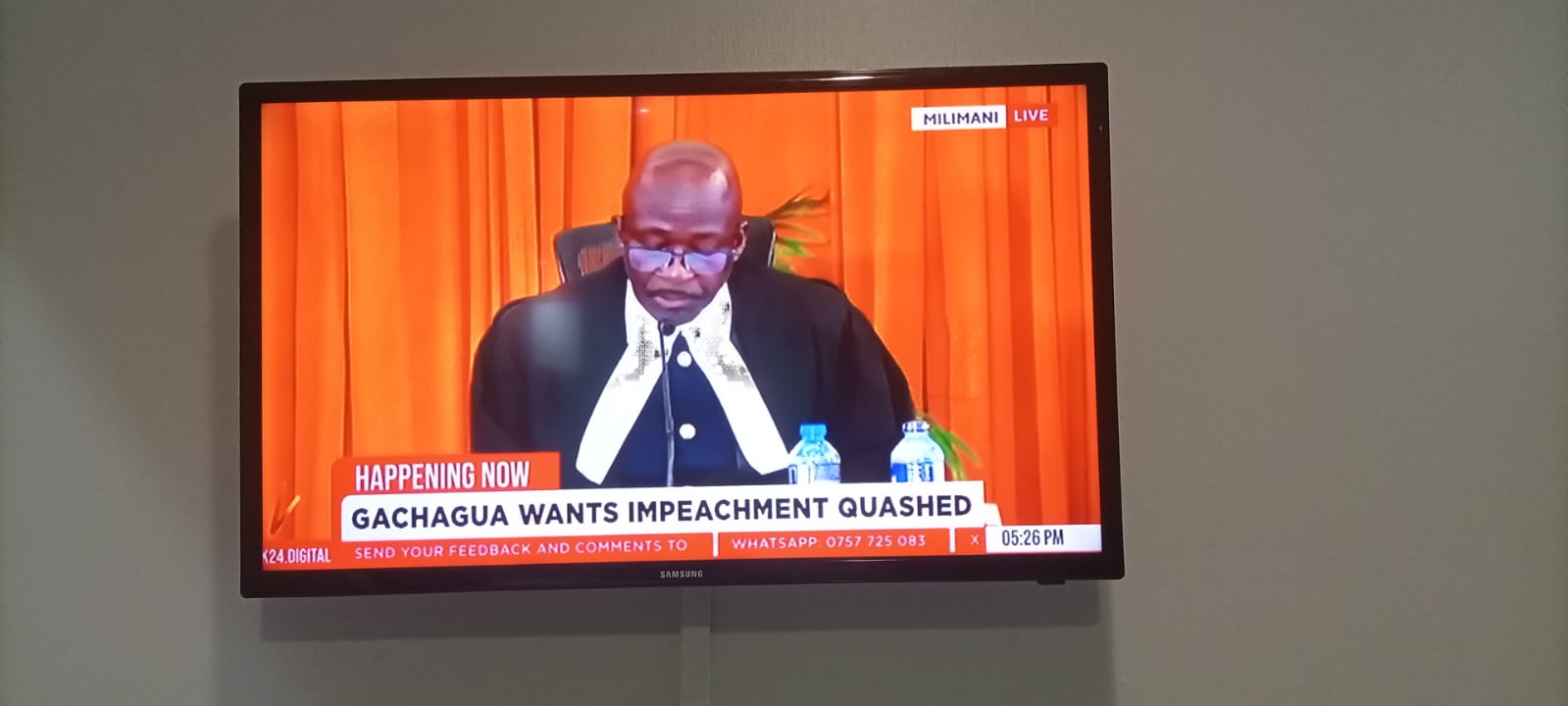
The Gachagua impeachment case has kept many Kenyans glued to television screens, radio broadcasts and social media feeds as they waited for court decisions that could have major political consequences.
While the legal and political aspects of the Gachagua impeachment case have dominated headlines, psychologists say the emotions many people experience while waiting for important news are remarkably similar whether someone is awaiting a court ruling, exam results, a job interview outcome, medical test results or visa approval.
The anxiety, restlessness and stress that often accompany uncertainty are not signs of weakness. They are natural biological responses deeply rooted in how the human brain is wired.

Why the brain hates uncertainty
One of the brain’s primary jobs is to predict what will happen next.
According to neuroscientists, the brain constantly scans the environment for information that helps it prepare for future events. When information is missing, uncertainty increases.
The Gachagua impeachment case is a good example. Before the ruling was delivered, nobody outside the judges knew what the final decision would be.
This uncertainty creates a gap that the brain desperately tries to fill.
Instead of waiting patiently, the brain begins generating possible scenarios.
What if the ruling goes one way?
What if it goes another?
What happens next?
This process can trigger anxiety because the brain naturally treats uncertainty as a potential threat.
How stress hormones are activated
When people are waiting for important news, the brain’s amygdala becomes more active.
The amygdala is a small structure responsible for detecting danger and triggering emotional responses.
Even though waiting for a court ruling, such as the Gachagua impeachment case, does not present physical danger, the brain can react as though a threat exists because the outcome is unknown.
The amygdala signals the release of stress hormones, including adrenaline and cortisol.
Adrenaline causes the heart to beat faster.
Breathing may become quicker.
Muscles become tense.
Attention becomes heightened.
Cortisol keeps the body alert and prepared to respond.
This is why people waiting for important news often report feeling nervous, restless or unable to concentrate.

Why do people keep checking updates
Many Kenyans closely followed updates related to the Gachagua impeachment case through television, websites and social media.
Psychologists say this behaviour is linked to the brain’s reward system.
Every time new information becomes available, the brain receives a small sense of relief because uncertainty is reduced.
This can create a cycle where people repeatedly refresh websites, switch television channels or check social media feeds.
The brain essentially becomes hungry for certainty.
The same pattern occurs when people wait for university admission letters, job applications, medical reports or examination results.
Why uncertainty feels exhausting
Many people assume stress only occurs during physically demanding situations.
However, uncertainty can be mentally exhausting.
When the brain continuously analyses possible outcomes, it consumes energy.
Researchers have found that prolonged uncertainty can increase fatigue, irritability, sleep problems and difficulty concentrating.
This explains why someone following a major event such as the Gachagua impeachment case may feel emotionally drained even though they have spent most of the day sitting at home.
The brain has been working overtime.
When stress becomes unhealthy
Temporary anxiety while waiting for important news is normal.
However, experts say stress may require attention if it begins interfering with daily life.
Warning signs include persistent insomnia, panic attacks, loss of appetite, excessive worry, inability to focus or physical symptoms such as headaches and stomach discomfort.
If these symptoms continue for weeks, speaking to a healthcare professional may be helpful.
How to stay calm while waiting
Mental health experts recommend focusing on activities that are within your control.
Limiting constant news consumption, engaging in physical activity, talking to trusted friends and maintaining normal routines can help reduce stress.
Deep breathing exercises can also calm the nervous system by signalling to the brain that no immediate danger exists.
The lesson from the Gachagua impeachment case extends beyond politics.
Whether someone is waiting for a court ruling, examination results, a medical diagnosis or a job offer, the stress of uncertainty is part of human biology.