Advertisement
Medically proven foods to eat when feeling low in mood
20th April, 2026 05:21 PM

There are days the mood just refuses to cooperate. You are not exactly sick, nothing dramatic has happened, but everything feels flat.
You are low on energy, low on motivation, and even small tasks feel heavier than usual.
Many people do not realise that food can sometimes play a role in such moments.
It is not a miracle switch, and it does not replace proper medical help where needed, but the brain depends on nutrients just like the rest of the body does.
When you eat better, you are not only feeding the stomach. You are also supporting the system that handles mood, focus and emotional balance.
That is why doctors and nutrition researchers often look at diet when discussing mental well-being.
Oily fish
Fish such as sardines, salmon, mackerel and tuna are often linked with brain health, and for good reason.
They contain omega-3 fats, which help support brain cells and normal nerve function.

Researchers have spent years studying omega-3s and mood, and while food is never a magic cure, regular intake is often seen as a positive habit for emotional well-being.
This is one reason many health experts encourage people to include fish in their meals where possible.
Green vegetables
Sometimes, the most ordinary foods are the most useful.
Sukuma wiki, spinach, kale and other greens contain folate, magnesium and several nutrients the brain uses every day.
Low levels of some of these nutrients have been linked in research to fatigue, low mood and poor well-being.
That does not mean one serving of spinach will transform your week.
It simply means the body tends to function better when it gets what it needs consistently.
And in Kenya, greens are one of the easiest mood-support foods to access.
Nuts and seeds
Groundnuts, peanuts, sunflower seeds, pumpkin seeds and almonds may look small, but nutritionally they carry a lot.

They provide healthy fats, minerals and protein. They are also convenient. You do not need a full kitchen or complicated recipe.
A small handful can be an easy snack when energy is dipping.
Some nutrients found in nuts and seeds, such as magnesium and zinc, are regularly discussed in mental wellness research.
Bananas and berries
Fruit is sometimes ignored because it feels too simple.
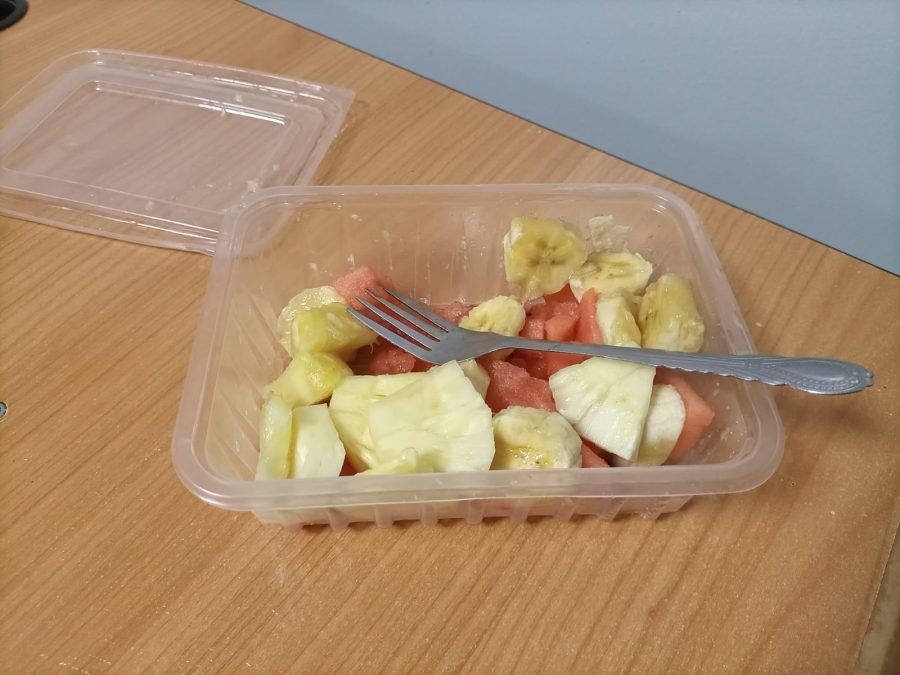
Yet bananas contain vitamin B6, which the body uses in making important brain chemicals linked with mood.
Berries, on the other hand, are rich in antioxidants that help protect body cells from stress.
Even beyond science, fruit can help in a practical way.
Replacing biscuits and sugary snacks with fruit may help you avoid the sharp sugar crash that often leaves people feeling worse later.
Yoghurt and fermented foods
The gut and the brain are more connected than many people think.
That is why yoghurt with live cultures and other fermented foods have become part of many wellness conversations.
Researchers continue studying how gut bacteria may influence mood, stress and mental well-being.
The science is still growing, but there is enough interest for many experts to take the gut-brain link seriously.
Sometimes, feeling better starts in places people never think about.
Whole grains and slow energy foods
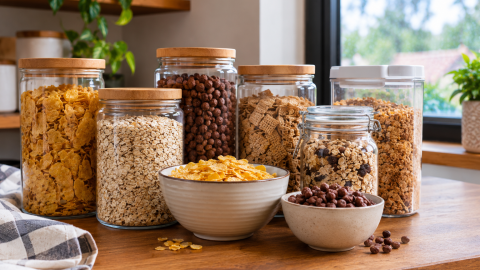
Oats, brown rice, millet, whole maize and wholegrain bread help release energy more steadily.
That matters because when energy rises fast and drops fast, mood can sometimes follow the same pattern.
You feel good briefly, then tired, irritable or foggy soon after.
Meals that keep energy steady often make the day feel easier to manage.
When food is not enough
Not every low mood is about nutrition.
If sadness keeps returning, sleep is affected, anxiety becomes heavy or daily life starts feeling difficult, it is wise to speak with a qualified health professional.
Food can support health, but it is not the answer to everything. There is strength in getting help.
When feeling moodless, the best foods are usually not fancy or expensive.
Fish, greens, nuts, fruit, yoghurt and whole grains all bring something useful to the table. No meal can solve life overnight.