Advertisement
How to turn regular butter into ghee
10th August, 2026 09:57 PM
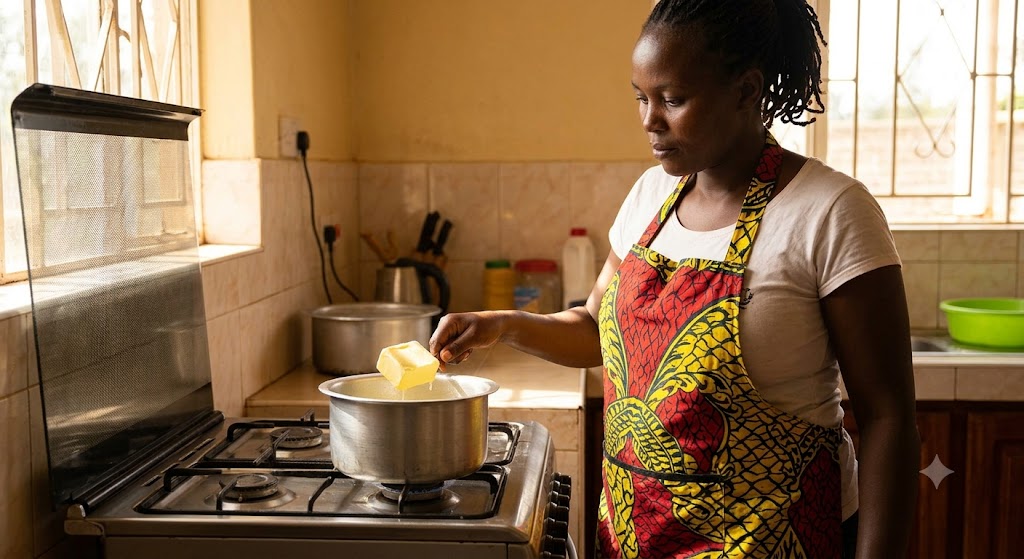
Butter is a kitchen favourite across Kenya, but it comes with two big headaches. It spoils quickly outside the fridge and burns easily. Turning regular butter into pure ghee solves both problems using kitchen heat.
Regular store-bought butter is actually a mix of roughly 80 percent milk fat, 16 to 18 percent water, and a small amount of milk solids like lactose and protein.
Placing butter in a pan over low heat breaks this mixture apart. As the temperature reaches 100°C, the water turns into steam and boils away.
What happens to the milk solids
Once the water starts evaporating, tiny milk solids float to the surface as foam and then sink to the bottom of the pan. With no water left to keep things cool, the heat turns these milk proteins a light golden brown.
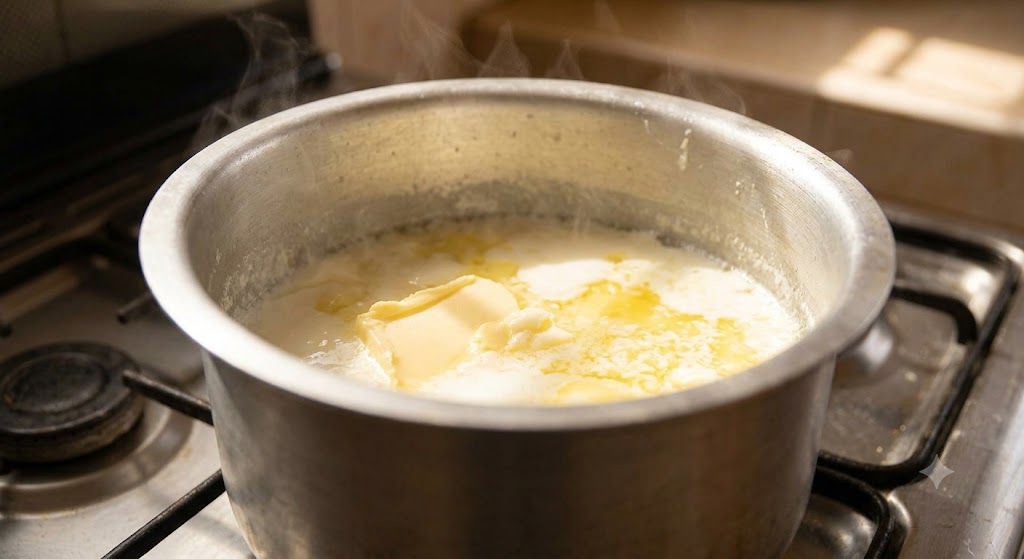
This subtle roasting gives ghee its rich, nutty aroma and flavour.
A peer-reviewed study in the Journal of Food Science and Technology notes that “during this process, moisture evaporates from the system with simultaneous changes in protein, lactose, fat and minerals.”
Keeping the stove on low heat stops these milk solids from burning while the golden fat absorbs all that taste.
High heat cooking and months of storage
Pouring the hot melted liquid through a fine cloth filters out every last bit of the toasted milk solids. The liquid left behind is pure butterfat. Taking away the water and milk solids removes the exact parts of butter that turn sour or burn in the pan.
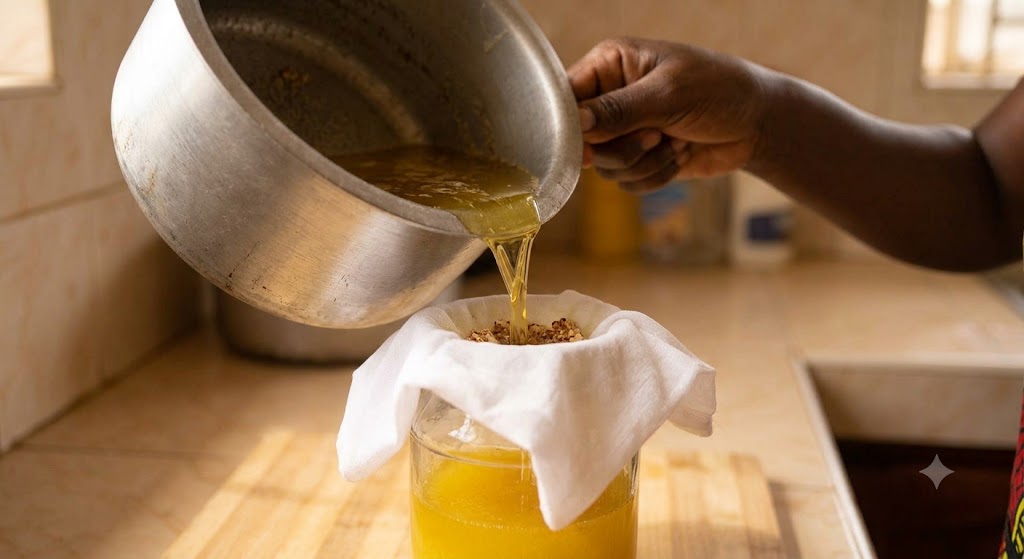
Standard butter starts smoking and burning around 175°C, but pure ghee handles heat up to 250°C without burning or releasing toxic fumes.
Since bacteria need water to survive, water-free ghee stays fresh at room temperature for months in a clean glass jar.