Advertisement
What is BMI and how do you calculate it?
08th June, 2026 01:03 AM
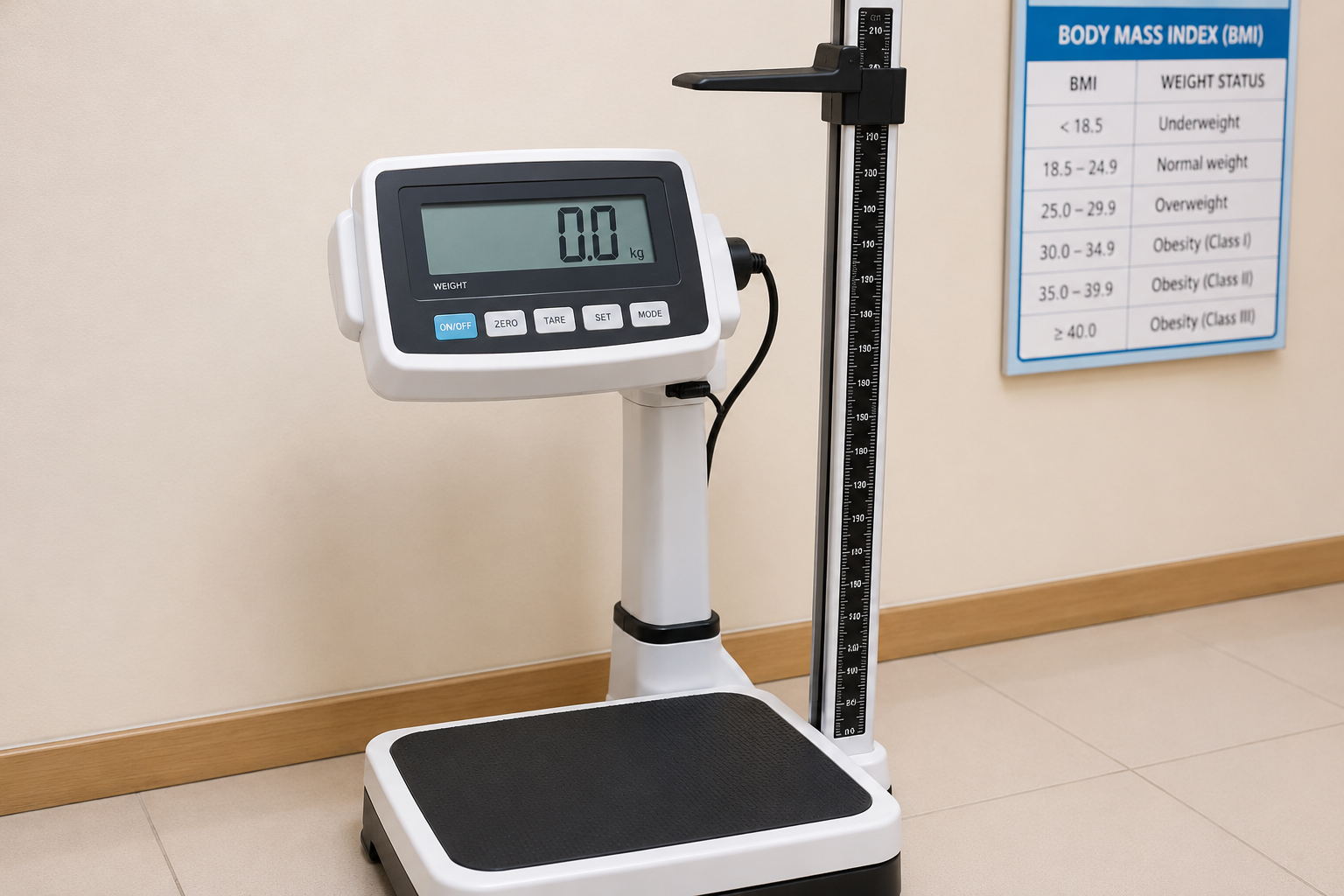
Body Mass Index, commonly known as BMI, is a simple measurement used to estimate whether a person has a healthy weight for their height.
BMI is calculated by dividing a person’s weight in kilograms by the square of their height in metres.
Doctors and health experts use BMI as a screening tool to identify whether someone is underweight, at a healthy weight, overweight or obese.
According to the World Health Organisation (WHO), BMI is one of the most widely used methods for assessing weight-related health risks in adults.
While it does not directly measure body fat, it provides a useful starting point for understanding overall health.
How to calculate BMI
The BMI formula is straightforward:
BMI = Weight (kg) ÷ Height (m²)
For example, if a person weighs 70 kilograms and is 1.75 metres tall:
BMI = 70 ÷ (1.75 × 1.75)
BMI = 22.9
A BMI of 22.9 falls within the healthy weight range.

Many people use online BMI calculators, but understanding the formula allows you to calculate it yourself using a calculator or smartphone.
BMI categories explained
The World Health Organisation classifies BMI into the following categories:
- Underweight: Below 18.5
- Healthy weight: 18.5 to 24.9
- Overweight: 25 to 29.9
- Obesity: 30 and above
These categories help healthcare professionals assess the risk of conditions linked to excess weight, including heart disease, high blood pressure, stroke and Type 2 diabetes.
Why is BMI important?
BMI can provide an early warning sign that a person’s weight may be affecting their health.
Research shows that people with very high BMI levels face a greater risk of developing chronic illnesses.
Similarly, people with very low BMI may experience nutritional deficiencies, weakened immunity and other health complications.
Doctors often use BMI alongside other measurements such as waist circumference, blood pressure and cholesterol levels to gain a fuller picture of a person’s health.
What BMI does not tell you?
Although BMI is useful, it has limitations.

It does not distinguish between muscle and fat. For example, athletes and bodybuilders may have a high BMI because of increased muscle mass rather than excess body fat.
BMI also does not account for age, ethnicity, sex or how fat is distributed around the body. For this reason, health experts recommend using BMI together with other health assessments.
What is a healthy BMI?
For most adults, a BMI between 18.5 and 24.9 is considered healthy.
However, maintaining good health is about more than a number.
Eating a balanced diet, exercising regularly, getting enough sleep and attending routine medical check-ups all play an important role in overall well-being.
While BMI remains one of the most common health measurements worldwide, experts stress that it should be viewed as a guide rather than a diagnosis.
If you are concerned about your weight or BMI result, consult a healthcare professional for personalised advice.