Advertisement
How to build professional skills while still in college
31st July, 2026 05:12 PM
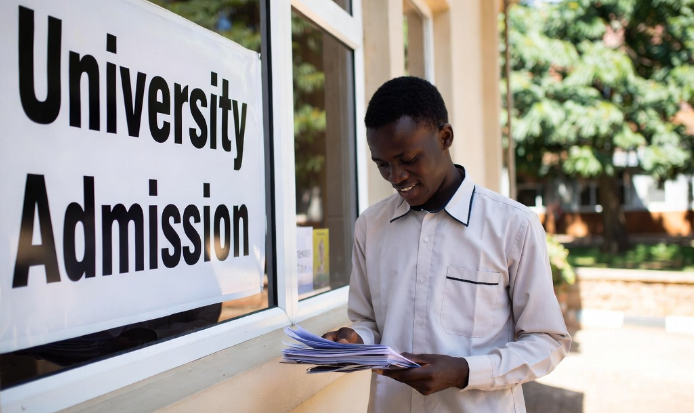
For many Kenyan students, college is often viewed as a stepping stone to a degree and eventually a job. However, employers are increasingly looking beyond academic qualifications. They want graduates who can communicate effectively, adapt quickly, solve problems, and work well with others.
This shift means that professional growth should begin long before graduation day. Students who start building workplace skills while still in college often find it easier to secure internships, attachments, freelance opportunities, and even full-time employment after school.
The changing expectations of employers
A degree remains important, but it is no longer the only measure of readiness for the workplace. Companies, media houses, NGOs, hospitals, banks, and government institutions want young people who can contribute from the moment they join a team.
This is why students should treat college not just as an academic journey but also as an opportunity to develop habits, attitudes, and practical skills that reflect professionalism.
Learning beyond the lecture hall
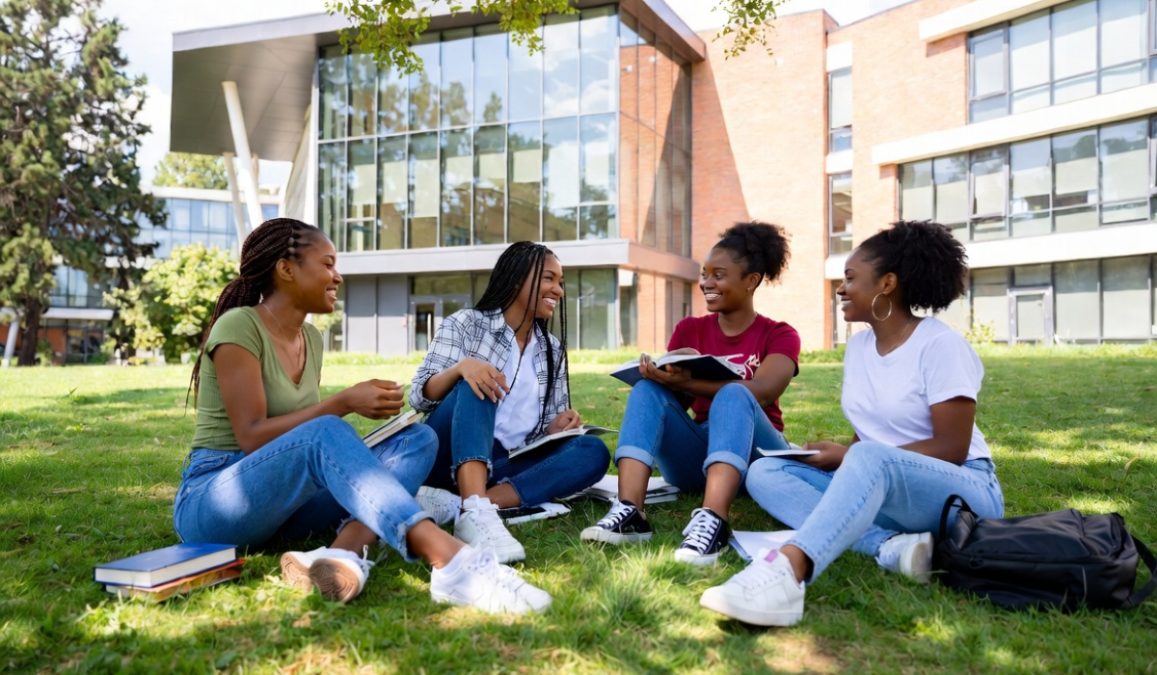
Some of the most valuable professional lessons are learned outside formal lectures. Group assignments, presentations, research projects, student leadership roles, and campus activities all provide opportunities to practice responsibility and collaboration.
A student who learns how to meet deadlines, organize information clearly, and work with people who have different opinions is already developing skills that are essential in the workplace.
Communication can open doors
In many professions, the ability to express ideas clearly is just as important as technical knowledge. Students who can write professional emails, speak confidently during presentations, ask thoughtful questions, and engage respectfully in discussions often stand out to lecturers, supervisors, and potential employers.
For journalism students, communication is the core of the profession. For business, health, education, and technology students, it remains a critical skill that influences teamwork, leadership, and career growth.
Digital skills are no longer optional
Modern workplaces expect graduates to be comfortable using digital tools. Whether someone is studying accounting, nursing, education, agriculture, or communication, basic digital literacy has become essential.
Students who take time to improve their ability to use office software, conduct online research, create presentations, manage digital documents, or understand social media communication give themselves a significant advantage in the job market.
Why campus involvement matters
Student clubs, associations, and campus organizations are often underestimated. Yet they provide a practical environment for learning leadership, coordination, budgeting, event planning, and conflict resolution.
A student who helps organize a campus event or manage a student publication gains real experience in teamwork, planning, and accountability—qualities that employers notice even when evaluating entry-level candidates.
Early experience makes a difference
One of the biggest mistakes students make is waiting until their final year to look for practical experience. Volunteer work, community projects, campus media, church activities, youth groups, and short-term internships can all help students understand how professional environments operate.
These experiences also help young people build confidence, learn workplace etiquette, and discover the kind of career path they truly enjoy.
Building a professional identity
Professionalism begins with small daily habits. Being punctual, responding respectfully to messages, dressing appropriately for formal events, preparing thoroughly for presentations, and following through on commitments all contribute to a student’s reputation.
Lecturers, internship supervisors, and mentors are more likely to recommend students who demonstrate reliability and maturity in these simple but important areas.